Author: David Walker

  • Property for Sale in Malta

    There are few property markets in Europe where geography exerts such an overwhelming influence on value as Malta. A small archipelago in the central Mediterranean, positioned strategically between Europe and North Africa, Malta has transformed itself from a quiet island economy into one of the continent’s most resilient and internationally connected real estate markets.

    The country’s appeal is multilayered. It is part financial hub, part lifestyle destination and part strategic residence jurisdiction for internationally mobile professionals. For property buyers, Malta offers something increasingly rare in Europe: political stability, English-speaking administration, eurozone security and year-round demand compressed into a tightly constrained land mass.

    This is not a market driven purely by tourism or speculative enthusiasm. Instead, Malta’s property sector has evolved into a mature investment environment supported by foreign direct investment, population growth, financial services, digital industries and sustained international interest. Prices are no longer “cheap” by Mediterranean standards, yet demand continues to outstrip supply in many parts of the islands.

    For international buyers seeking a foothold within the Schengen area, Malta occupies a distinctive position. It is simultaneously a lifestyle acquisition, an investment proposition and, for some, a strategic residency decision. That combination continues to support the market even during periods of broader European economic uncertainty.


    A Small Nation with Outsized Economic Influence

    Malta’s economy has changed dramatically over the past two decades. Once heavily dependent on shipping and tourism, it has diversified into finance, online gaming, technology, aviation services and digital enterprise. This transformation has had profound consequences for the housing market.

    The country consistently attracts international workers, entrepreneurs and investors. Its corporate tax structures, EU membership and business-friendly environment have encouraged multinational firms and wealthy individuals to establish a presence on the islands. Population growth, particularly among expatriates, has increased pressure on housing supply and contributed to long-term upward momentum in property prices.

    Unlike larger European nations where economic performance varies significantly between regions, Malta’s compact geography means that prosperity tends to feed directly into national housing demand. Even during periods of slower transaction activity, the market has demonstrated remarkable resilience.

    The broader European backdrop has inevitably affected Malta. Higher interest rates across the eurozone have moderated some buyer activity, particularly among highly leveraged purchasers. Yet the islands have avoided the sharp corrections witnessed in parts of mainland Europe. Limited land availability continues to underpin valuations, acting as a natural constraint against oversupply.

    Valletta and the Northern Harbour Region

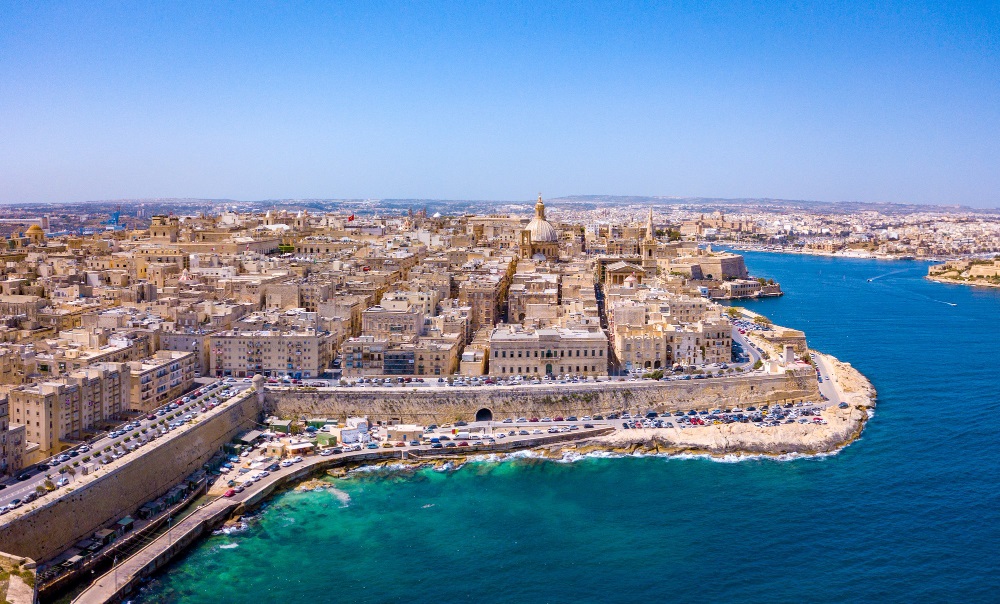
    The centre of gravity in Malta’s property market lies within and around Valletta and the Northern Harbour region. Here, centuries-old limestone architecture sits alongside luxury apartment developments, marinas and international business districts.

    Areas such as Sliema, St Julian’s and Gżira have become synonymous with Malta’s modern property boom. These districts combine proximity to business centres with waterfront living, restaurants, nightlife and international schools. Demand from foreign buyers remains particularly strong in these areas.

    Property prices reflect this popularity. Premium seafront apartments in Sliema and St Julian’s frequently exceed €7,000 to €10,000 per square metre, while ultra-prime developments can command considerably higher figures. Inland apartments remain more accessible, though prices across the region have risen steadily over recent years.

    Valletta itself offers a different proposition. The historic capital, with its UNESCO World Heritage status, attracts buyers seeking restored townhouses and heritage properties. Renovation costs can be significant, but demand for character properties remains strong, particularly among international purchasers seeking unique Mediterranean homes.

    The Northern Harbour area also remains the centre of Malta’s rental market. Demand from expatriate professionals, financial sector employees and digital workers supports high occupancy rates throughout much of the year.


    Gozo: A Different Pace of Market

    Across the channel, Gozo presents an altogether different dynamic. Malta’s sister island is quieter, greener and more rural, attracting buyers seeking lifestyle rather than urban intensity.

    Property prices in Gozo are generally lower than in Malta proper, though the gap has narrowed as international interest has increased. Farmhouses, converted character homes and sea-view apartments remain popular among overseas buyers.

    Gozo’s market is more seasonal and less liquid than Malta’s main urban centres, yet it benefits from strong appeal among retirees and second-home purchasers. Infrastructure improvements and better transport connections have enhanced accessibility, increasing its attractiveness as a long-term residential option rather than merely a holiday destination.

    While rental yields in Gozo are typically lower outside tourist hotspots, the island offers stronger lifestyle appeal and lower acquisition costs. For buyers prioritising tranquillity and long-term enjoyment, it represents a compelling alternative.


    Supply Constraints Continue to Define the Market

    Scarcity remains Malta’s defining property characteristic. The islands are densely populated, development land is limited and planning regulations have become increasingly scrutinised amid concerns over overdevelopment.

    Construction activity remains visible across much of the country, yet supply often struggles to keep pace with demand in desirable locations. This imbalance continues to support property values even during slower economic periods.

    Developers have increasingly shifted towards high-specification apartment schemes aimed at affluent international buyers. Energy efficiency, modern amenities and mixed-use concepts have become more prominent in new developments, reflecting changing buyer expectations.

    At the same time, concerns about overbuilding and environmental pressure have entered the national conversation. Questions surrounding infrastructure capacity, traffic congestion and sustainability are becoming increasingly important factors in buyer decision-making.

    For investors, this creates a nuanced landscape. Prime areas continue to benefit from scarcity and international demand, while less desirable overdeveloped districts may face more competitive pricing conditions.


    The Role of Foreign Buyers

    Foreign purchasers play a significant role in Malta’s property market. Buyers from across Europe, the Middle East and increasingly North America continue to view Malta as an attractive jurisdiction for both investment and lifestyle purposes.

    EU citizens generally face relatively straightforward purchasing procedures, while non-EU buyers may require acquisition permits depending on the type and location of the property. Malta also maintains designated Special Designated Areas where foreigners can purchase property with fewer restrictions.

    The country’s residency and investment migration frameworks have historically contributed to demand in the premium property sector. Although regulatory scrutiny around citizenship and residency programmes has intensified at European level, Malta continues to attract internationally mobile wealth.

    English as an official language remains a major advantage. Legal documentation, contracts and administrative procedures are accessible to international buyers in a way that many southern European markets are not.


    Property Prices and Market Segmentation

    Malta’s property market is increasingly segmented between luxury developments, mid-market apartments and traditional housing stock.

    Luxury waterfront schemes remain among the strongest performing sectors. Developments around Portomaso, Tigné Point and the Three Cities continue to attract affluent international buyers seeking secure, low-maintenance residences with premium amenities.

    Mid-market apartments dominate transaction volumes. Prices vary widely depending on location, age and finish, though many urban apartments now range between €250,000 and €600,000.

    Traditional Maltese townhouses and houses of character occupy a niche but highly desirable segment. These properties often require renovation, particularly in historic villages, but their scarcity supports long-term value.

    The overall market has experienced slower price growth recently compared with the rapid increases seen in previous years. Nevertheless, values have remained broadly resilient, particularly in prime coastal districts where international demand remains robust.


    Rental Yields and Investor Returns

    Malta’s rental sector remains one of the strongest in southern Europe. The combination of expatriate employment, tourism and limited housing supply has historically supported healthy rental yields.

    Long-term rental demand is particularly strong in areas close to business hubs. One-bedroom apartments in Sliema or St Julian’s commonly achieve monthly rents between €1,200 and €2,000 depending on specification and location. Luxury waterfront properties can command substantially higher rents.

    Gross rental yields typically range between 4% and 6%, though returns vary considerably by property type and financing structure. Short-term holiday rentals can produce stronger returns in peak tourist seasons, though regulatory oversight has increased.

    Investors must also account for taxation, maintenance costs and management fees. Malta’s climate accelerates wear on coastal properties, making ongoing maintenance an important consideration for long-term ownership.


    Transaction Costs and Taxation

    Purchasing property in Malta involves relatively transparent procedures, though costs can be significant.

    Stamp duty is generally charged at 5% of the purchase price, although exemptions and reduced rates may apply in certain circumstances. Notary fees usually range between 1% and 3%, while legal and administrative costs add further expenses.

    Annual property taxes are comparatively modest relative to many European jurisdictions. However, capital gains tax and taxation on rental income must be carefully considered, particularly for non-resident owners.

    Financing remains available through Maltese banks, though lending criteria have tightened in line with broader European conditions. Foreign buyers may face larger deposit requirements and more detailed due diligence procedures.


    Tourism and Lifestyle Demand

    Tourism remains a powerful influence on Malta’s property market. The islands attract millions of visitors annually, supporting demand for holiday lets, hospitality-linked developments and second homes.

    Yet Malta’s appeal extends beyond tourism. The climate, healthcare system, safety and English-speaking environment make it particularly attractive for retirees and remote workers seeking permanent or semi-permanent relocation.

    The Mediterranean lifestyle continues to underpin international demand. Buyers are often motivated as much by lifestyle considerations as by pure financial return. This emotional component provides a degree of resilience that purely investment-driven markets sometimes lack.


    Risks and Challenges

    Despite its strengths, Malta’s property market is not without risks.

    Affordability pressures have become a growing domestic concern, particularly for younger Maltese buyers. Rapid price growth over the past decade has widened the gap between incomes and housing costs.

    Infrastructure strain is another issue. Traffic congestion, construction density and environmental concerns have generated debate over the long-term sustainability of continued rapid development.

    Interest rates remain an important variable. Higher borrowing costs have cooled parts of the market and could continue to influence transaction volumes. However, the structural shortage of housing supply continues to support overall valuations.

    Regulatory scrutiny at EU level regarding residency and citizenship frameworks may also influence certain premium segments of the market. Nevertheless, Malta’s broader economic fundamentals remain comparatively strong.


    The Outlook for Malta Property

    The Maltese property market appears to be entering a more mature phase. The era of explosive annual price growth may be moderating, but the fundamental drivers of demand remain firmly intact.

    Limited land supply, strong international demand and economic diversification continue to provide long-term support. While transaction activity may fluctuate in response to financing conditions, prime locations are likely to retain their appeal.

    For international investors, Malta offers something increasingly unusual within Europe: a stable eurozone jurisdiction with English-speaking administration, high liquidity in prime areas and enduring global appeal.

    The market is no longer inexpensive, nor is it a hidden opportunity waiting to be discovered. Malta has already arrived on the international property stage. Yet its unique combination of scarcity, stability and Mediterranean lifestyle ensures that demand continues to endure.


    Conclusion: A Market Built on Geography and Globalisation

    Malta’s property story is ultimately one of geography meeting globalisation. A small island nation with finite land has opened itself to international business, wealth and mobility, creating sustained pressure on housing stock.

    For buyers, the attraction lies in more than just climate or coastline. Malta offers access to the European Union, a transparent legal framework, economic resilience and a lifestyle that remains highly desirable.

    As global property markets become increasingly uncertain, Malta’s greatest strength may be its simplicity: limited supply in a location that international buyers continue to value highly.

    That dynamic has shaped the market for years. There is little evidence that it is about to change.


    Financial Disclaimer: The information provided in this article is for general informational purposes only and does not constitute financial advice. While every effort has been made to ensure the accuracy of the content, market conditions may change, and unforeseen risks may arise. The author and publisher of this article do not accept liability for any losses or damages arising directly or indirectly from the use of the information contained herein.

    Copyright: schengenproperty.com
    Pictures by: www.magnific.com/

  • Property For Sale In Luxembourg

    There are property markets that entice with affordability, and there are those that command attention through scarcity and resilience. Luxembourg sits firmly in the latter category. Small in size but formidable in economic stature, this Grand Duchy has built a real estate market that reflects its status as one of Europe’s wealthiest and most internationally connected nations.

    For global investors, Luxembourg is not a speculative play. It is a strategic allocation—one rooted in capital preservation, long-term appreciation and exposure to a uniquely stable European economy. Property here is expensive by almost any measure, but that expense is underpinned by fundamentals that remain difficult to replicate elsewhere on the continent.


    An Economy of Scale Disproportionate to Its Geography

    Luxembourg’s economic narrative is well rehearsed but still striking. With a population of just over 650,000, it has cultivated an outsized role in global finance. The country is home to one of the world’s largest investment fund industries and serves as a European base for multinational corporations, banks and EU institutions.

    This concentration of high-value activity has direct implications for the property market. Income levels are among the highest in Europe, and employment remains robust. Even amid broader European economic headwinds, Luxembourg’s labour market has shown resilience, supported by cross-border commuting from neighbouring France, Belgium and Germany.

    The result is sustained demand for housing that consistently outpaces supply. Unlike larger countries where regional disparities can dilute national trends, Luxembourg’s compact geography means that economic strength translates almost uniformly into property demand.


    A Market Defined by Limited Supply

    If one factor explains Luxembourg’s property dynamics, it is supply—or rather, the lack of it. The country’s small land area, combined with strict planning regulations and a desire to preserve environmental and urban integrity, has constrained new development.

    This structural shortage has driven property prices to levels that place Luxembourg among the most expensive markets in Europe. Average residential prices often exceed €8,000 to €10,000 per square metre nationwide, with prime locations in Luxembourg City frequently surpassing €12,000 per square metre.

    Even in a period where higher interest rates have moderated activity across Europe, Luxembourg’s market has shown only limited price correction. Instead, the adjustment has largely taken the form of reduced transaction volumes and longer selling periods, rather than significant downward pressure on valuations.

    This is a crucial distinction. It reflects a market where owners are not compelled to sell and where underlying demand remains intact.


    Luxembourg City: The Beating Heart of the Market

    At the centre of this landscape is Luxembourg City, the capital and economic nucleus of the country. Here, the interplay between finance, governance and international business creates a property market that is both dynamic and intensely competitive.

    Neighbourhoods such as Kirchberg, home to European institutions and financial firms, and Limpertsberg, known for its residential appeal, command premium prices. The historic centre, with its UNESCO-listed fortifications, offers limited but highly sought-after housing stock.

    Demand is driven not only by domestic buyers but also by expatriates and international professionals. Luxembourg City’s cosmopolitan population—nearly half of whom are foreign nationals—ensures a steady need for high-quality housing.

    Rental prices reflect this demand. A one-bedroom apartment in central areas can command monthly rents between €1,500 and €2,500, while larger properties often exceed €3,500. Yields, however, tend to be lower than in less expensive markets, typically ranging from 2% to 4%. For many investors, the trade-off is clear: lower income returns in exchange for capital security.


    Beyond the Capital: Emerging Value in Secondary Locations

    While Luxembourg City dominates, other regions offer relatively more accessible entry points. Areas such as Esch-sur-Alzette, Differdange and the northern communes have seen increased interest as buyers seek affordability within commuting distance of the capital.

    Esch-sur-Alzette, in particular, has benefited from regeneration initiatives and its role as a cultural hub. Property prices here are lower than in the capital, often ranging from €5,000 to €7,000 per square metre, though the gap has narrowed as demand has intensified.

    Cross-border living is another defining feature of Luxembourg’s housing landscape. Many workers choose to reside in neighbouring countries where property is more affordable, commuting daily into Luxembourg. This dynamic has implications for domestic demand, but it has not alleviated the pressure on the country’s own housing supply.


    Financing Conditions and Market Adjustment

    Like much of Europe, Luxembourg has experienced a shift in financing conditions. Interest rates have risen from historic lows, impacting borrowing capacity and moderating buyer activity. Mortgage approvals have slowed, and buyers have become more cautious.

    However, Luxembourg’s high income levels and conservative lending practices have mitigated the risk of widespread distress. Loan-to-value ratios are typically prudent, and the banking sector remains robust.

    Rather than triggering a sharp downturn, these conditions have led to a period of consolidation. Sellers have adjusted expectations, and buyers have gained slightly more negotiating power, though the balance remains tilted towards the former.

    For international investors, financing may be more complex. Non-resident buyers often face stricter criteria and may be required to provide higher deposits. Nonetheless, the availability of euro-denominated mortgages and the stability of the financial system remain attractive.


    Transaction Costs and Legal Framework

    Luxembourg’s property market benefits from a transparent and well-regulated legal framework. Transactions are conducted through notaries, ensuring that title transfer and documentation are handled with precision.

    Buyers should budget for transaction costs of approximately 7% to 10% of the purchase price. This includes registration duties, notary fees and administrative charges. In certain cases, tax credits or exemptions may apply, particularly for primary residences, though these are subject to specific conditions.

    Property taxes themselves are relatively low compared with other European countries, which partially offsets the high acquisition costs. However, ongoing costs such as maintenance, insurance and service charges should not be overlooked, particularly in multi-unit developments.


    Rental Market: Strong Demand, Modest Yields

    Luxembourg’s rental market is characterised by persistent demand and limited supply. The country’s large expatriate population, combined with high property prices that place ownership beyond the reach of many, ensures a steady pool of tenants.

    Rental growth has been steady, though it has moderated in line with broader market conditions. Regulations governing rent increases and tenant protections are relatively balanced, providing a degree of stability for both landlords and tenants.

    For investors, the key challenge is yield compression. High purchase prices mean that rental returns are modest by international standards. However, vacancy rates are low, and rental income is generally reliable.

    Short-term rentals are less prominent than in tourist-heavy markets, though they exist in niche segments. Long-term leasing remains the dominant model, particularly in urban areas.


    Demographics and Structural Demand

    Luxembourg’s demographic profile is a critical driver of its property market. Population growth has been strong, fueled by immigration and the country’s role as an employment hub.

    This growth is expected to continue, placing further pressure on housing supply. Government initiatives aimed at increasing construction have had some impact, but they have yet to fully address the structural imbalance.

    The country’s high quality of life, political stability and central location within Europe make it an attractive destination for professionals and families alike. These factors underpin long-term demand for housing, even in the face of economic fluctuations.


    Risks in a High-Value Market

    No market is without risk, and Luxembourg’s is no exception. The most obvious concern is affordability. High prices can limit market accessibility and create barriers to entry, particularly for younger buyers.

    Interest rate movements remain a key variable. While the market has shown resilience, sustained higher borrowing costs could exert further pressure on demand. However, the extent of any impact is likely to be moderated by the country’s strong income levels.

    Another consideration is liquidity. In a high-value market, transaction volumes can be sensitive to shifts in sentiment. Periods of reduced activity may make it more challenging to enter or exit positions quickly.

    Yet these risks are counterbalanced by the market’s underlying strengths. Luxembourg’s economic stability, regulatory framework and international appeal provide a solid foundation that few markets can match.


    The Investment Case: Preservation Over Speculation

    Luxembourg is not a market for those seeking rapid gains. It is, instead, a market for those who value capital preservation and long-term stability.

    Price growth has historically been steady rather than explosive, reflecting the interplay between limited supply and sustained demand. Even in periods of economic uncertainty, the market has demonstrated an ability to absorb shocks without significant disruption.

    For institutional investors, Luxembourg offers a secure environment aligned with broader European standards. For private buyers, it provides access to a market that combines exclusivity with resilience.


    A European Stronghold in a Changing Landscape

    In a Europe where property markets are increasingly shaped by volatility, Luxembourg stands apart. Its combination of economic strength, demographic growth and constrained supply creates a market that is both distinctive and durable.

    For international buyers, the appeal lies not only in the numbers but in the narrative. Luxembourg represents a convergence of stability and opportunity—a place where property is as much about safeguarding wealth as it is about generating returns.


    Conclusion: Scarcity as Strength

    Luxembourg’s property market is, at its core, a study in scarcity. Limited land, controlled development and sustained demand have combined to create one of Europe’s most robust real estate environments.

    It is not a market that offers easy entry or quick rewards. But for those with the resources and the perspective to engage with it, Luxembourg provides something increasingly rare: certainty.

    In a world of shifting economic tides, that certainty carries its own premium—and in Luxembourg, it is a premium that buyers continue to pay.


    Financial Disclaimer: The information provided in this article is for general informational purposes only and does not constitute financial advice. While every effort has been made to ensure the accuracy of the content, market conditions may change, and unforeseen risks may arise. The author and publisher of this article do not accept liability for any losses or damages arising directly or indirectly from the use of the information contained herein.

    Copyright: schengenproperty.com
    Pictures by: www.magnific.com/
  • Property For Sale In Lithuania

    In the shifting landscape of European property investment, Lithuania has quietly, yet convincingly, moved from the periphery to the mainstream. Once overshadowed by its larger neighbours and better-known Western European markets, this Baltic nation now commands attention from international buyers seeking stability, value and long-term growth. The country’s property market has matured significantly over the past decade, shaped by economic resilience, demographic shifts and an increasingly sophisticated financial environment.

    For investors, second-home buyers and those seeking a strategic foothold within the Schengen area, Lithuania offers a compelling blend of affordability, transparency and opportunity. The market is not without its complexities, but for those willing to understand its nuances, it presents a case study in how smaller European economies can outperform expectations.


    A Resilient Economy Underpinning Property Demand

    Lithuania’s economic story is central to its real estate appeal. The country has consistently demonstrated robust GDP growth relative to many European peers, supported by a diversified economy spanning manufacturing, technology, fintech and logistics. Its integration within the European Union and adoption of the euro have further strengthened investor confidence, reducing currency risk and aligning monetary policy with the broader eurozone.

    Inflationary pressures seen across Europe have, inevitably, touched Lithuania. However, the country has managed these challenges with relative discipline. Wage growth has remained strong, supporting domestic purchasing power and sustaining demand in the housing market. Unemployment levels have stabilised at comparatively low rates, further reinforcing the underlying fundamentals.

    These macroeconomic conditions have translated into a property market that, while not immune to cyclical adjustments, has avoided the sharp corrections seen elsewhere. Instead, Lithuania has experienced a period of recalibration—marked by slower price growth rather than outright decline—suggesting a market transitioning from rapid expansion to sustainable maturity.


    Vilnius: A Capital Driving National Trends

    Any discussion of Lithuanian property inevitably begins with Vilnius. The capital city accounts for a substantial share of national real estate activity and continues to act as the primary magnet for both domestic and international buyers.

    Vilnius has evolved into a dynamic European capital, blending its UNESCO-listed Old Town with a thriving modern business district. The city’s appeal lies not only in its architectural charm but also in its economic vitality. As a growing hub for fintech and technology firms, Vilnius attracts a young, highly skilled workforce—fueling demand for both rental and owner-occupied housing.

    Property prices in Vilnius have risen steadily over recent years, though they remain competitive when compared with Western European capitals. Average prices for newly built apartments in central areas can range from €3,000 to €5,000 per square metre, with premium developments exceeding this bracket. In suburban districts, prices typically fall between €1,800 and €3,000 per square metre, offering more accessible entry points for buyers.

    Rental yields in Vilnius remain attractive by European standards, often ranging between 4% and 6%, depending on location and property type. The city’s strong rental demand—driven by students, young professionals and expatriates—provides a stable income stream for investors.


    Kaunas and Klaipėda: Secondary Cities with Strategic Appeal

    Beyond Vilnius, Lithuania’s secondary cities present distinct opportunities that merit serious consideration.

    Kaunas, the country’s second-largest city, has undergone a notable transformation. Once perceived as industrial and conservative, it has reinvented itself as a cultural and economic centre. Significant infrastructure investments and its designation as a European Capital of Culture have elevated its profile. Property prices in Kaunas remain lower than in Vilnius, typically ranging from €1,500 to €3,000 per square metre, making it an attractive option for value-driven investors.

    Klaipėda, Lithuania’s principal port city, offers a different proposition. Situated on the Baltic coast, it benefits from maritime trade, tourism and proximity to the Curonian Spit—a UNESCO World Heritage site. The local property market is influenced by seasonal demand, particularly for holiday homes and short-term rentals. Prices in Klaipėda are broadly comparable to Kaunas, though prime coastal properties can command a premium.

    Together, these cities provide diversification opportunities within the Lithuanian market, allowing investors to balance capital appreciation potential with rental income prospects.


    Supply Constraints and Construction Trends

    One of the defining features of Lithuania’s property market is the persistent imbalance between supply and demand, particularly in urban centres. While new construction has increased, it has not always kept pace with demand, especially in Vilnius.

    Developers face a range of challenges, including rising construction costs, labour shortages and regulatory hurdles. These factors have contributed to higher prices for new-build properties, though they have also ensured that supply remains relatively controlled—preventing oversaturation.

    Energy efficiency has become a key focus in new developments. Lithuania has adopted stringent building standards aligned with EU directives, resulting in modern properties that are highly energy-efficient. This not only reduces running costs for homeowners but also enhances the long-term value of assets.

    Older housing stock, particularly Soviet-era apartment blocks, still constitutes a significant portion of the market. While these properties are generally more affordable, they often require renovation and may lack the energy efficiency of newer developments. Nevertheless, they present opportunities for investors willing to undertake refurbishment projects.


    Foreign Buyers and Market Accessibility

    Lithuania is notably open to foreign property buyers. There are no significant restrictions on purchasing residential real estate for EU citizens, and the process is relatively straightforward compared with many other European markets.

    Non-EU buyers may face certain limitations, particularly regarding land ownership, but these are generally manageable with appropriate legal guidance. The transparency of Lithuania’s property registration system is a notable advantage, reducing the risk of disputes and ensuring clear title ownership.

    Transaction costs are relatively modest. Buyers should expect to pay approximately 2% to 4% of the property price in additional costs, including notary fees, registration charges and legal expenses. Estate agent fees are typically borne by the seller, though this can vary depending on the transaction.

    Mortgage financing is available to foreign buyers, though lending criteria can be more stringent than for domestic purchasers. Interest rates have risen in line with broader European trends, which has had a moderating effect on demand. Nonetheless, financing remains accessible for well-qualified applicants.


    Rental Market Dynamics

    Lithuania’s rental market has demonstrated resilience, supported by urbanisation, a growing expatriate community and a steady influx of students. In Vilnius, demand for rental properties remains strong, particularly for modern, well-located apartments.

    Rental prices have increased in recent years, though growth has moderated. A one-bedroom apartment in central Vilnius can command monthly rents of €600 to €1,000, depending on quality and location. In Kaunas and Klaipėda, rents are generally lower, reflecting the more modest property prices.

    Short-term rentals have also gained popularity, particularly in tourist areas. However, regulatory oversight has increased, with local authorities implementing measures to ensure compliance and protect housing supply for residents.

    For investors, the key consideration is balancing yield with risk. While rental returns are attractive, they must be assessed in the context of potential vacancy periods, maintenance costs and regulatory changes.


    Regional and Rural Opportunities

    While urban centres dominate the market, rural and regional properties offer a different kind of appeal. Lithuania’s countryside is characterised by lakes, forests and traditional villages, making it attractive for those seeking second homes or lifestyle investments.

    Prices in rural areas are significantly lower, often starting from €500 to €1,500 per square metre, depending on location and property condition. However, these markets are less liquid, and capital appreciation may be slower compared with urban areas.

    Infrastructure improvements, including road networks and digital connectivity, have enhanced the viability of remote living. The rise of remote work has further increased interest in countryside properties, though this remains a niche segment of the market.


    Risks and Considerations

    No property market is without risk, and Lithuania is no exception. Investors must consider a range of factors before committing capital.

    Interest rate fluctuations remain a key concern. As borrowing costs rise, affordability can be impacted, potentially dampening demand. However, Lithuania’s relatively conservative lending practices have helped mitigate the risk of excessive household debt.

    Demographic trends also warrant attention. While urban areas continue to grow, Lithuania faces broader population challenges, including emigration and an ageing population. These factors could influence long-term demand, particularly in less economically vibrant regions.

    Geopolitical considerations, given Lithuania’s proximity to Eastern Europe, are occasionally cited as a risk. However, the country’s membership in the EU and NATO provides a degree of stability that reassures investors.


    The Outlook: Stability Over Speculation

    The Lithuanian property market is unlikely to deliver the rapid, speculative gains seen in earlier phases of its development. Instead, it offers something arguably more valuable: stability.

    Price growth is expected to remain moderate, supported by solid economic fundamentals and controlled supply. Rental demand is likely to remain robust, particularly in urban centres, providing consistent income opportunities.

    For international buyers, Lithuania represents a market that has moved beyond its emerging status without losing its competitive edge. It combines the transparency and regulatory standards of Western Europe with pricing that remains accessible.


    Why Lithuania Deserves Attention

    In a European context where affordability is increasingly scarce, Lithuania stands out as a market that still offers value without compromising on quality. Its cities are modern, its economy is resilient and its property market is transparent.

    For investors seeking diversification, it provides exposure to a region that is both stable and growing. For lifestyle buyers, it offers a high quality of life at a relatively modest cost.

    The key is to approach the market with informed expectations. Lithuania is not a speculative frontier; it is a maturing market that rewards careful, long-term investment.


    Conclusion: A Market in Balance

    Lithuania’s property market has reached a point of equilibrium that is rare in today’s European landscape. It is neither overheated nor undervalued, but rather positioned for steady, sustainable growth.

    For those willing to look beyond the traditional hotspots of Western Europe, it offers a compelling alternative—one that combines economic stability, competitive pricing and genuine investment potential.

    In the final analysis, Lithuania is no longer a hidden gem. It is a market that has come into its own, offering opportunities that are both credible and enduring.


    Financial Disclaimer: The information provided in this article is for general informational purposes only and does not constitute financial advice. While every effort has been made to ensure the accuracy of the content, market conditions may change, and unforeseen risks may arise. The author and publisher of this article do not accept liability for any losses or damages arising directly or indirectly from the use of the information contained herein.

    Copyright: schengenproperty.com
    Pictures by: www.magnific.com/

  • Property For Sale In Liechtenstein

    Nestled between Switzerland and Austria, the Principality of Liechtenstein is easy to overlook on a map. Yet for those attuned to the subtleties of European real estate, it represents one of the continent’s most tightly controlled and quietly resilient property markets. With its Alpine backdrop, robust economy and highly selective ownership framework, Liechtenstein offers a proposition unlike almost any other in Europe.

    It is not a market defined by volume or accessibility. Rather, it is shaped by scarcity, regulation and a long-standing emphasis on stability. For international buyers, this makes it both intriguing and challenging. Opportunities exist, but they are limited, and understanding the mechanisms that govern property ownership is essential before any serious consideration.

    A Market Defined by Scarcity Rather Than Speculation

    Liechtenstein’s property market operates under a simple but powerful constraint: there is very little land, and even less available for sale. Covering just over 160 square kilometres, the country has a finite supply of developable land, much of which is already occupied or protected.

    This scarcity is compounded by strict planning regulations. Local authorities exercise considerable control over new developments, ensuring that growth remains measured and consistent with the country’s environmental and cultural priorities. As a result, new housing supply is limited, and competition for available properties can be intense.

    Average residential property prices are among the highest in Europe on a per-square-metre basis. In prime locations such as Vaduz and Schaan, prices for modern apartments can range from CHF 8,000 to CHF 14,000 per square metre, with premium properties exceeding these levels. Detached houses, particularly those with mountain views or proximity to key economic centres, can command prices well into the multi-million Swiss franc range.

    Unlike more volatile markets, Liechtenstein has not experienced dramatic price swings. Instead, values have shown a steady upward trajectory over time, supported by strong demand and limited supply.

    Economic Strength as the Market’s Foundation

    The resilience of Liechtenstein’s property sector is closely tied to its economic fundamentals. Despite its small size, the country boasts one of the highest GDP per capita figures globally. Its economy is highly diversified, with strengths in manufacturing, financial services and advanced technology.

    Unemployment remains exceptionally low, and wages are among the highest in Europe. This creates a solid domestic base of property demand, reducing reliance on speculative or foreign-driven investment.

    The country’s close economic integration with Switzerland — including the use of the Swiss franc — provides additional stability. For property buyers, this means exposure to a strong currency and a financial system known for its prudence.

    Inflationary pressures, which have affected construction costs across Europe, are evident in Liechtenstein as well. Building materials, labour and energy costs have all risen, contributing to higher development expenses and, ultimately, higher property prices. However, the impact has been moderated by the country’s cautious approach to development and financing.

    Ownership Restrictions: A Market Not Open to All

    Perhaps the most distinctive feature of Liechtenstein’s property market is its restrictive ownership regime. Unlike many European countries, Liechtenstein does not offer unrestricted access to foreign buyers.

    Property ownership is tightly regulated, with quotas and approval processes governing who can purchase real estate. In general, non-residents face significant barriers, and acquiring property often requires special permission from local authorities.

    Even for residents, there are limitations. The government carefully controls the allocation of residential property to ensure that it meets the needs of the local population. This includes restrictions on second homes and investment properties.

    For international buyers, this means that opportunities are rare and often dependent on specific circumstances, such as long-term residency or business ties to the country. As a result, the market is not driven by international speculation but by local demand and carefully managed external participation.

    Vaduz and Schaan: The Core of the Market

    The capital, Vaduz, and the neighbouring municipality of Schaan form the heart of Liechtenstein’s property market. Vaduz, with its administrative and financial significance, attracts demand from professionals working in government and financial services.

    Property in Vaduz is characterised by a mix of modern apartments and traditional Alpine-style houses. Prices reflect the town’s status, with limited availability and high demand driving premium valuations.

    Schaan, the largest municipality, offers a slightly broader range of housing options. It serves as a commercial hub, with a strong presence of industrial and technology companies. Property prices here are marginally lower than in Vaduz, though still firmly in the upper tier of European markets.

    Both areas benefit from excellent infrastructure, proximity to Switzerland and access to high-quality services, making them particularly attractive for long-term residents.

    Regional Variation in a Small Country

    Despite its size, Liechtenstein exhibits some regional variation in property prices and availability. Municipalities such as Triesen, Balzers and Eschen offer comparatively more affordable options, though “affordable” remains a relative term in this context.

    These areas provide a quieter, more residential environment, often with larger properties and greater access to natural surroundings. However, supply remains limited, and competition for well-located properties can still be strong.

    Mountainous regions and less accessible areas may offer lower prices, but they also come with practical considerations, including transport links and access to services.

    Rental Market and Yield Considerations

    Given the restrictions on ownership, the rental market plays a significant role in Liechtenstein’s housing landscape. Demand for rental properties is strong, driven by a combination of local residents and cross-border workers from Switzerland and Austria.

    Rental yields, however, are relatively modest. Gross yields typically range between 2 and 4 per cent, reflecting the high capital values of properties. This positions Liechtenstein more as a capital preservation market than a high-yield investment destination.

    Rental prices are among the highest in the region, particularly in central areas. A modern two-bedroom apartment in Vaduz or Schaan can command monthly rents of CHF 2,000 to CHF 3,500, depending on location and specifications.

    For investors, the emphasis is less on income generation and more on long-term value retention. The combination of limited supply, economic stability and regulatory control supports this dynamic.

    Construction Trends and Sustainability

    Sustainability is a key theme in Liechtenstein’s property sector. New developments are subject to stringent environmental standards, reflecting both national policy and broader European trends.

    Energy efficiency, renewable energy integration and sustainable materials are increasingly standard features in new-build properties. This not only reduces environmental impact but also aligns with buyer preferences, particularly in a high-cost energy environment.

    Renovation of existing properties is also a focus, with incentives in place to improve energy performance and modernise older buildings. Given the limited availability of land, upgrading the existing housing stock is an essential component of the market’s evolution.

    Costs, Taxes and Transactional Considerations

    Property transactions in Liechtenstein involve a range of costs that buyers must factor into their calculations. In addition to the purchase price, buyers can expect to pay transfer taxes, notary fees and registration costs.

    Transfer taxes typically range between 3 and 4 per cent of the purchase price, though exact rates can vary depending on the municipality. Notary and registration fees may add a further 1 to 2 per cent.

    Property taxes are relatively low, reflecting the country’s broader fiscal framework. However, buyers should also consider ongoing costs such as maintenance, insurance and utilities, which can be significant given the high standards of living.

    Financing is generally available through local banks, though lending criteria are conservative. Substantial deposits are often required, and lending is closely tied to income and residency status.

    Risks and Structural Constraints

    While Liechtenstein offers exceptional stability, it is not without its challenges. The most obvious is the limited accessibility of the market. For many international buyers, the barriers to entry may prove prohibitive.

    Liquidity is another consideration. With such a small market, transactions can be infrequent, and selling a property may take longer than in larger European markets.

    Price levels, already among the highest in Europe, leave limited room for rapid appreciation. While long-term growth is likely, driven by scarcity and economic strength, short-term gains are less certain.

    External factors, including broader European economic conditions and interest rate movements, also influence the market. However, Liechtenstein’s strong fiscal position and conservative financial practices provide a degree of insulation.

    Comparative Position in the European Landscape

    In comparison to other European property markets, Liechtenstein occupies a unique niche. It shares characteristics with Switzerland, particularly in terms of price levels and stability, but with even greater scarcity and tighter regulation.

    For investors seeking high yields or rapid growth, it may not be the most compelling option. However, for those prioritising capital preservation, security and long-term stability, it offers a distinctive proposition.

    The absence of speculative excess, combined with a strong domestic economy, creates a market that is both resilient and predictable — qualities that are increasingly valued in uncertain times.

    Outlook: Stability in a Changing World

    Looking ahead, the outlook for Liechtenstein’s property market remains steady. The fundamental drivers — limited supply, strong economic performance and strict regulation — are unlikely to change.

    New development will continue at a measured pace, constrained by planning policies and environmental considerations. Demand, supported by high incomes and economic stability, is expected to remain robust.

    Interest rates and broader European economic trends will play a role in shaping short-term dynamics, but the market’s underlying characteristics suggest continuity rather than disruption.

    For international buyers, the key will be navigating the regulatory landscape and identifying opportunities within a highly constrained environment.

    Conclusion: A Market of Quiet Strength

    Liechtenstein’s property market is not one that lends itself to headlines or rapid turnover. It is a market of quiet strength, defined by its scarcity, stability and disciplined approach.

    Opportunities exist, but they require patience, insight and, in many cases, a degree of local integration. For those able to access it, the rewards are not measured in quick returns, but in the enduring value of a highly controlled and resilient market.

    In an era where volatility has become a defining feature of global real estate, Liechtenstein stands apart — a reminder that, sometimes, the most compelling opportunities are those that move at their own pace.


    Financial Disclaimer: The information provided in this article is for general informational purposes only and does not constitute financial advice. While every effort has been made to ensure the accuracy of the content, market conditions may change, and unforeseen risks may arise. The author and publisher of this article do not accept liability for any losses or damages arising directly or indirectly from the use of the information contained herein.

    Copyright: schengenproperty.com
    Pictures by: www.magnific.com/
  • Property for Sale in Latvia

    Latvia, long overshadowed by its larger European neighbours, is quietly asserting itself as one of the more intriguing property markets on the continent. Positioned on the eastern edge of the European Union, with deep historical ties to both Western Europe and the post-Soviet sphere, it offers a blend of affordability, improving economic fundamentals and increasing international accessibility. For investors and lifestyle buyers alike, Latvia presents a proposition that is neither speculative nor saturated — a rare balance in today’s global property landscape.

    Yet this is not a market without nuance. The Latvian property sector has undergone a series of corrections, regulatory shifts and geopolitical pressures over the past decade. Understanding where it stands today requires a careful reading of economic indicators, demographic patterns and policy decisions — as well as an appreciation of its unique cultural and geographic position.

    A Market Shaped by Recovery and Resilience

    Latvia’s property market is best understood as one that has matured through adversity. Following the global financial crisis, the country experienced one of Europe’s sharpest housing corrections. Prices collapsed, credit tightened, and speculative development ground to a halt. What has emerged since is a far more disciplined market, underpinned by conservative lending practices and a steady — if unspectacular — economic recovery.

    In recent years, property prices have shown moderate but consistent growth, particularly in urban centres. The capital, Riga, remains the focal point, accounting for a significant proportion of transactions. Average apartment prices in Riga hover between €1,500 and €2,500 per square metre depending on location and condition, though prime central properties and renovated Art Nouveau buildings can command considerably more.

    Outside the capital, regional cities such as Jurmala, Liepāja and Daugavpils offer lower entry points, with prices often 30–50 per cent below Riga levels. Jurmala, a coastal resort town, stands apart as a premium leisure market, where proximity to the Baltic Sea and pine forests attracts both domestic and foreign buyers.

    What distinguishes Latvia from more overheated European markets is the relative alignment between prices and local incomes. While affordability remains a concern — particularly for first-time buyers — the absence of extreme price inflation has preserved a degree of market stability.

    Economic Fundamentals and Their Property Impact

    Latvia’s economic trajectory plays a central role in shaping its property outlook. The country has demonstrated resilience in the face of broader European economic headwinds, including energy price volatility and shifting trade dynamics. Growth has been modest but steady, supported by exports, a growing technology sector, and increasing integration within EU supply chains.

    Inflation, which surged across Europe in recent years, has had a noticeable impact on construction costs and property pricing. Materials, labour and financing have all become more expensive, leading to a slowdown in new developments. This has, in turn, tightened supply in certain segments of the market, particularly for modern, energy-efficient housing.

    Interest rates have also influenced buyer behaviour. As borrowing costs rose, transaction volumes softened, particularly among domestic buyers reliant on mortgage financing. However, this has been partially offset by cash buyers and international investors seeking value in a relatively underpriced European market.

    Unemployment remains comparatively low, and wage growth — though uneven — has provided some support to housing demand. Importantly, Latvia’s membership of the eurozone removes currency risk for many international investors, adding an additional layer of confidence.

    Riga: A Capital with Character and Contrasts

    Riga is not merely the administrative centre of Latvia; it is the heartbeat of its property market. With a population of around 600,000, the city combines historic charm with modern infrastructure. Its UNESCO-listed Old Town, alongside one of Europe’s richest collections of Art Nouveau architecture, creates a distinctive urban environment that appeals to both residents and visitors.

    The Riga property market can broadly be divided into three segments: the historic centre, Soviet-era apartment blocks, and new developments.

    The historic centre, including areas such as Centrs and Vecrīga, commands premium prices. Renovated apartments in heritage buildings can exceed €3,000 per square metre, particularly if they feature high ceilings, original detailing and modern amenities. These properties are often sought after by international buyers and the short-term rental market, though regulatory changes around holiday lets have introduced additional considerations.

    Soviet-era housing, by contrast, offers affordability. These apartments, typically located in districts such as Purvciems or Imanta, can be acquired for under €1,200 per square metre. While less visually appealing, they remain a staple of the local housing stock and provide steady rental yields.

    New developments represent the most dynamic segment. Developers are increasingly focused on energy efficiency, smart home technology and community-oriented design. Prices for new-build apartments generally range from €2,000 to €3,500 per square metre, reflecting both higher construction costs and growing demand for modern living standards.

    The Appeal of Coastal and Regional Markets

    Beyond Riga, Latvia’s property landscape becomes more varied — and, in many cases, more affordable. Jurmala stands out as the country’s premier coastal destination. Stretching along the Baltic Sea, it offers sandy beaches, spa resorts and a tranquil atmosphere within easy reach of the capital.

    Property prices in Jurmala can rival those in central Riga, particularly for seafront villas and luxury apartments. However, the market is smaller and more seasonal, with demand often influenced by tourism patterns.

    Further afield, cities such as Liepāja and Ventspils provide opportunities for buyers seeking lower entry costs. These regions have benefited from targeted investment and infrastructure improvements, though they remain less liquid markets than Riga.

    Rural property, including farmhouses and land, is available at significantly lower prices. In some cases, properties can be purchased for under €50,000. However, such investments require careful consideration of maintenance costs, accessibility and long-term demand.

    Foreign Investment and Regulatory Landscape

    Latvia has historically been open to foreign property ownership, with few restrictions for EU and non-EU buyers alike. This openness contributed to a surge in international investment during the early 2010s, particularly from buyers seeking residency rights.

    However, the landscape has evolved. Changes to residency-by-investment programmes, along with enhanced due diligence requirements, have moderated foreign demand. Geopolitical considerations have also influenced buyer profiles, with a noticeable shift towards European and Nordic investors.

    Despite these changes, Latvia remains an accessible market for international buyers. The purchasing process is relatively straightforward, involving notarised agreements and registration with the Land Register. Transaction costs typically range between 2 and 5 per cent of the purchase price, including legal fees, notary charges and registration costs.

    Property taxes are comparatively low, generally between 0.2 and 1.5 per cent of the cadastral value. Rental income is subject to taxation, though rates are competitive within a European context.

    Rental Yields and Investment Potential

    For investors, Latvia offers a compelling yield profile. Gross rental yields in Riga typically range from 4 to 7 per cent, depending on location and property type. Smaller apartments in central areas tend to deliver the highest returns, driven by demand from young professionals, students and expatriates.

    The rental market has been influenced by broader demographic trends, including urbanisation and a gradual increase in international mobility. Demand for quality rental accommodation has grown, particularly for properties that meet modern energy efficiency standards.

    Short-term rentals, while potentially more lucrative, are subject to increasing regulation. Investors must ensure compliance with local rules, particularly in central Riga, where authorities have sought to balance tourism with residential needs.

    Long-term rental demand remains stable, supported by a steady influx of students and workers, as well as a limited supply of high-quality housing.

    Construction Trends and Sustainability

    One of the defining features of Latvia’s property market is the growing emphasis on sustainability. EU regulations and rising energy costs have accelerated the shift towards energy-efficient construction. New developments are increasingly built to high environmental standards, incorporating insulation, renewable energy systems and smart technologies.

    This trend is not merely regulatory; it is also market-driven. Buyers are becoming more conscious of operating costs, particularly in a climate where heating expenses can be significant. As a result, energy-efficient properties command a premium, both in terms of sale price and rental demand.

    Renovation of existing housing stock is another key theme. Latvia’s older buildings, particularly those from the Soviet era, often require substantial upgrades. Government incentives and EU funding have supported renovation projects, improving both living standards and property values.

    Risks and Considerations

    No property market is without risk, and Latvia is no exception. Demographic trends pose a long-term challenge. The country has experienced population decline over the past decades, driven by low birth rates and emigration. While this trend has stabilised in recent years, it continues to influence housing demand, particularly outside major cities.

    Geopolitical factors also warrant attention. Latvia’s proximity to Russia and its historical context can influence investor sentiment, particularly during periods of regional tension. However, its membership of the EU and NATO provides a degree of stability that mitigates these concerns.

    Liquidity is another consideration. The Latvian property market is relatively small, and transactions can take longer than in larger European markets. Investors should adopt a medium- to long-term perspective, rather than seeking rapid capital appreciation.

    Financing conditions, while stable, may be less accessible for non-resident buyers. Mortgage availability often depends on local income or substantial deposits, making cash purchases more common among international investors.

    Comparative Value in a European Context

    When viewed against the broader European property landscape, Latvia offers notable value. Prices remain significantly lower than in Western European capitals, while yields are often higher. This combination is increasingly attractive in a market where traditional investment destinations have become prohibitively expensive.

    However, value must be weighed against scale and liquidity. Latvia is not a mass-market destination; it is a niche opportunity for informed buyers willing to engage with its particular characteristics.

    For lifestyle buyers, the appeal lies in its quality of life. Latvia offers a blend of urban culture, natural beauty and relative affordability. Riga’s cultural scene, combined with easy access to forests, lakes and coastline, creates a compelling living environment.

    The Outlook: Steady Rather Than Spectacular

    Looking ahead, the Latvian property market is unlikely to deliver dramatic price surges. Instead, it is poised for steady, incremental growth, supported by economic stability and controlled supply. This may not capture headlines, but it offers a level of predictability that is increasingly rare.

    Key drivers will include continued investment in infrastructure, the evolution of the technology sector, and the ongoing integration of Latvia within European economic networks. Housing supply, particularly in the modern segment, will remain a critical factor, as will the pace of renovation in older districts.

    For investors and buyers, the message is clear: Latvia is not a market for speculation, but for considered, long-term engagement. Its strengths lie in its stability, affordability and gradual modernisation.

    Conclusion: A Market Worth Serious Consideration

    Latvia’s property market occupies a distinctive position within Europe. It is neither emerging in the traditional sense nor fully mature. Instead, it represents a market in transition — one that has learned from past excesses and is building a more sustainable future.

    For international buyers, the opportunity lies in recognising this balance. With careful research, a clear understanding of local dynamics and a long-term perspective, Latvia offers a compelling addition to a diversified property portfolio.

    It may not yet command the attention of mainstream investors, but that, arguably, is part of its appeal. In a world of crowded markets and compressed yields, Latvia stands as a quieter, more measured alternative — one that rewards patience and informed decision-making.


    Financial Disclaimer: The information provided in this article is for general informational purposes only and does not constitute financial advice. While every effort has been made to ensure the accuracy of the content, market conditions may change, and unforeseen risks may arise. The author and publisher of this article do not accept liability for any losses or damages arising directly or indirectly from the use of the information contained herein.

    Copyright: schengenproperty.com
    Pictures by: www.magnific.com

  • Property For Sale In Italy

    Italy has always sold itself with ease. The allure of its landscapes, its cultural patrimony and its gastronomic reputation have long drawn international buyers in search of something more than a conventional property investment. Yet beneath the romance, the Italian real estate market has entered a period of renewed relevance, shaped not by sentiment but by structural change, shifting capital flows and a recalibration of European property values.

    For international investors navigating a world of higher interest rates and more selective lending conditions, Italy presents a curious mix: a mature market that has avoided the excesses of some of its European peers, yet one that continues to offer pockets of value alongside prime assets commanding global prices. It is, in short, a market of contrasts—regional, economic and regulatory—and therein lies both its complexity and its appeal.

    A Market Defined by Diversity Rather Than Uniform Growth

    To speak of “the Italian property market” as a single entity is to misunderstand its essence. Italy is a federation of micro-markets, each with its own dynamics, price levels and demand drivers. From the financial nerve centre of Milan to the rolling vineyards of Tuscany, from the industrial north to the more economically fragile south, the country offers a spectrum of investment environments.

    In recent years, price growth has been uneven but generally positive in key urban and lifestyle markets. Milan has led the charge, with sustained demand from domestic professionals, international investors and institutional capital pushing prices to record levels in prime districts. Rome, long perceived as underperforming relative to its global stature, has shown more measured but consistent growth.

    Elsewhere, secondary cities and rural areas have experienced more modest appreciation, though they continue to attract buyers seeking affordability and lifestyle value. The overall picture is one of stability rather than exuberance, with price movements reflecting local fundamentals rather than speculative excess.

    Milan: Italy’s Financial Powerhouse

    Milan stands apart as Italy’s most dynamic property market. As the country’s financial and commercial capital, it has benefited from strong employment growth, international business activity and a steady influx of expatriates.

    Prime residential prices in central Milan can exceed €10,000 per square metre, with trophy properties in prestigious districts commanding significantly higher figures. Even in less central areas, prices have risen markedly, reflecting sustained demand and limited supply.

    Rental yields in Milan are typically lower than in some other Italian cities, often ranging between 3 and 5 per cent, but this is offset by stronger prospects for capital appreciation. The city’s appeal as a business hub, combined with ongoing urban regeneration projects, continues to underpin its property market.

    Importantly, Milan has also attracted institutional investors, particularly in the build-to-rent and student housing sectors, signalling a broader maturation of the market.

    Rome: Stability in the Eternal City

    Rome’s property market operates at a different pace. As a political and cultural capital, it offers a depth of history unmatched elsewhere, but its economic dynamism has traditionally lagged behind Milan.

    That said, Rome has demonstrated resilience. Prices in central districts remain high, particularly for historic properties, but the market has been less volatile than in other European capitals. Average prices in prime areas typically range between €5,000 and €8,000 per square metre, depending on location and property condition.

    Rental demand is supported by a combination of tourism, public sector employment and a growing expatriate community. Yields are generally moderate, but the city’s enduring appeal ensures a steady flow of buyers.

    Recent infrastructure investments and efforts to streamline administrative processes have contributed to a more positive outlook for Rome’s property sector.

    Tuscany and the Lifestyle Market

    Beyond the major cities, Italy’s lifestyle markets continue to captivate international buyers. Tuscany remains the archetype, offering a blend of scenic beauty, cultural heritage and relatively accessible property options.

    Prices vary widely, from modest rural properties requiring renovation to high-end villas commanding several million euros. The region’s appeal is enduring, but it is not immune to broader market forces. Demand has remained steady, particularly from buyers in northern Europe and North America, though transactions can be influenced by currency movements and global economic conditions.

    Rental yields in Tuscany are often seasonal, driven by tourism, but well-located properties can generate attractive returns during peak periods. Increasingly, buyers are balancing lifestyle considerations with investment potential, seeking properties that offer both personal use and income generation.

    Southern Italy: Value and Volatility

    Southern Italy presents a markedly different proposition. Regions such as Calabria, Puglia and Sicily offer some of the most affordable property in Europe, with prices in certain areas below €1,000 per square metre.

    This affordability has attracted a growing number of international buyers, particularly those seeking renovation projects or long-term lifestyle investments. Government initiatives, including schemes offering properties at nominal prices subject to renovation commitments, have further increased interest.

    However, the southern market is characterised by greater volatility and lower liquidity. Economic challenges, including higher unemployment and slower growth, can impact demand and price stability. Investors must approach these markets with caution, recognising that lower entry costs may be accompanied by higher risks.

    The Rental Market: Shifting Dynamics

    Italy’s rental market has undergone notable changes in recent years. The rise of short-term rental platforms transformed the landscape, particularly in tourist-heavy cities such as Florence, Venice and Rome.

    However, regulatory interventions have introduced new constraints. Local authorities have implemented measures to limit the proliferation of short-term rentals, particularly in historic centres, in an effort to preserve housing availability for residents.

    These changes have prompted a shift towards longer-term rental strategies in some areas. While this may reduce peak returns, it provides greater stability and aligns with broader policy objectives.

    In major cities, demand for rental housing remains strong, driven by students, professionals and expatriates. Gross rental yields typically range from 3 to 6 per cent, depending on location and property type.

    Costs, Taxes and the Buying Process

    Purchasing property in Italy involves a range of costs that must be carefully considered. Transaction costs can vary significantly depending on whether the property is purchased from a private seller or a developer.

    For resale properties, registration tax is typically between 2 and 9 per cent of the cadastral value, depending on residency status and whether the property is a primary residence. For new properties, VAT may apply, generally at rates between 4 and 10 per cent.

    Additional costs—including notary fees, legal expenses and agency commissions—can bring total transaction costs to approximately 10 to 15 per cent of the purchase price.

    Annual property taxes, such as IMU (Imposta Municipale Unica), apply to second homes and investment properties. Rates vary by municipality but are generally manageable by European standards.

    The buying process itself is well established but can be complex. Due diligence is essential, particularly in relation to title, planning permissions and compliance with building regulations.

    Foreign Investment and Market Accessibility

    Italy remains open to foreign buyers, with relatively few restrictions on property ownership. The country’s membership of the European Union and its well-developed legal framework provide a level of security for international investors.

    Foreign demand has been supported by Italy’s global reputation and, more recently, by targeted tax incentives aimed at attracting high-net-worth individuals and professionals relocating to the country.

    The so-called “flat tax” regime for new residents has been particularly influential, encouraging wealth migration and supporting demand in certain high-end markets.

    Macroeconomic Context and Interest Rates

    Italy’s property market is influenced by broader European economic conditions, particularly interest rate movements set by the European Central Bank. The shift from ultra-low rates to a more restrictive monetary environment has had a cooling effect on demand, particularly among domestic buyers reliant on mortgage financing.

    However, this has also introduced a degree of price discipline, preventing the kind of speculative excess seen in some other markets. Cash buyers, including many international investors, have become more prominent, particularly in prime segments.

    Inflationary pressures have also played a role, increasing construction costs and influencing pricing for new developments. At the same time, wage growth has been more subdued, highlighting ongoing affordability challenges.

    Supply Constraints and Heritage Considerations

    One of Italy’s defining characteristics is its architectural heritage. While this is a source of immense appeal, it also imposes constraints on supply. Strict planning regulations and preservation requirements limit new development, particularly in historic areas.

    As a result, much of the market consists of existing properties, many of which require renovation or modernisation. This creates opportunities for value creation but also introduces complexity and additional costs.

    New developments are typically concentrated in urban peripheries and select high-growth areas, where planning constraints are less restrictive.

    Sustainability and Modernisation Trends

    Sustainability is becoming an increasingly important factor in Italy’s property market. European regulations on energy efficiency are influencing both new construction and the renovation of existing buildings.

    Buyers are placing greater emphasis on energy performance certificates, insulation standards and the integration of renewable technologies. Properties that meet higher environmental standards are likely to command a premium, while those that do not may require investment to remain competitive.

    Government incentives aimed at improving energy efficiency have supported renovation activity, though these schemes have evolved over time in response to fiscal considerations.

    Risks and Considerations

    Italy’s property market offers significant opportunities, but it is not without risks. Bureaucracy remains a challenge, with administrative processes that can be complex and time-consuming. Legal due diligence is essential to avoid potential issues related to title or planning compliance.

    Liquidity varies across regions. While prime markets in cities like Milan and Rome offer relatively strong demand, rural and less developed areas may require longer holding periods.

    Economic growth in Italy has historically been modest compared with other European countries, which can influence property market performance. Investors should also consider currency risk if purchasing from outside the eurozone.

    Outlook: Measured Growth in a Mature Market

    Looking ahead, Italy’s property market appears set for a period of steady, if unspectacular, growth. The excesses of previous cycles are largely absent, and the market is supported by a combination of domestic demand, international interest and structural constraints on supply.

    Milan is likely to remain the standout performer, while Rome and other major cities offer stability. Lifestyle markets such as Tuscany will continue to attract international buyers, though their performance will be influenced by broader economic conditions.

    Southern Italy, meanwhile, will remain a market of opportunity and risk, offering low entry costs but requiring careful consideration.

    Conclusion: Enduring Appeal with Strategic Discipline

    Property for sale in Italy continues to hold a unique position in the European landscape. It offers a blend of cultural richness, lifestyle appeal and investment potential that is difficult to replicate.

    Yet the modern Italian property market is not driven by romance alone. It is shaped by economic realities, regulatory frameworks and global capital flows. For investors, success lies in understanding these dynamics and approaching the market with a clear strategy.

    Italy rewards patience and discernment. It is a market where the right asset, in the right location, can deliver both financial returns and intangible value. In a world of increasingly homogenised property markets, that distinction remains one of its greatest strengths.


    Financial Disclaimer: The information provided in this article is for general informational purposes only and does not constitute financial advice. While every effort has been made to ensure the accuracy of the content, market conditions may change, and unforeseen risks may arise. The author and publisher of this article do not accept liability for any losses or damages arising directly or indirectly from the use of the information contained herein.

    Copyright: schengenproperty.com
    Pictures by: www.magnific.com/

  • Property For Sale In Greece

    Greece has long occupied a singular place in the imagination of international property buyers. It is a country where antiquity meets modernity, where the drama of the Aegean landscape is matched by the quiet appeal of village life and the growing sophistication of its urban centres. Yet beyond the romance lies a property market that has undergone a profound recalibration over the past decade. What was once seen as a distressed opportunity has evolved into a maturing, increasingly competitive market shaped by tourism flows, foreign investment, fiscal reform and a more stable banking sector.

    For international investors—whether seeking a second home, a rental yield or a longer-term capital appreciation story—Greece presents a compelling, if nuanced, proposition. The question is no longer whether Greece is investable, but rather where, how and at what price.

    A Market Reborn from Crisis

    The Greek property market’s modern narrative begins with the sovereign debt crisis, which drove prices down sharply and left a legacy of distressed assets. That phase has largely passed. Over recent years, the market has staged a steady recovery, underpinned by economic stabilisation, stronger GDP growth relative to the eurozone average, and a resurgence in tourism.

    Residential property prices have climbed consistently, with cumulative growth in key regions exceeding 30–40 per cent from their post-crisis troughs. Prime locations—particularly Athens’ southern suburbs and the most sought-after islands—have seen even sharper increases. However, compared with other Mediterranean markets such as Spain, Portugal or parts of Italy, Greece still offers relative value, particularly outside headline destinations.

    The structural shift is important. Price growth is no longer solely driven by bargain-hunting investors; it reflects genuine demand, both domestic and international, supported by improved mortgage availability and rising incomes within Greece.

    Foreign Buyers and the Golden Visa Effect

    A central pillar of Greece’s property resurgence has been foreign capital. The country’s residency-by-investment programme—commonly referred to as the “Golden Visa”—has been instrumental in attracting buyers from Asia, the Middle East and increasingly North America.

    The scheme offers residency rights in exchange for property investment above a specified threshold. While recent adjustments have raised minimum investment levels in high-demand areas such as Athens, Mykonos and Santorini, the programme continues to drive demand, particularly in mid-market urban properties and newer developments.

    Foreign buyers now account for a substantial share of transactions in certain segments. In Athens, for example, international purchasers have been especially active in neighbourhoods undergoing regeneration, where yields on short-term rentals remain attractive.

    At the same time, policymakers have sought to balance inward investment with housing affordability concerns. This has resulted in a more targeted Golden Visa structure, directing demand towards less saturated regions and higher-value properties.

    Athens: Urban Renewal and Yield Potential

    Athens has undergone a remarkable transformation. Once overshadowed by the islands, the capital has emerged as a focal point for investors seeking both rental income and capital appreciation.

    Neighbourhoods such as Koukaki, Pangrati and parts of Piraeus have benefited from infrastructure upgrades, increased tourism and a growing expatriate community. The expansion of the metro network and broader urban regeneration initiatives have further enhanced the city’s appeal.

    Average property prices in central Athens remain competitive by European capital standards. Entry-level apartments can still be found below €2,500 per square metre in certain districts, while prime areas command significantly higher values. Rental yields—particularly from short-term lets—have historically ranged between 4 and 7 per cent, although regulatory changes affecting platforms like Airbnb have introduced additional considerations.

    Importantly, Athens is no longer solely a yield play. It is increasingly viewed as a long-term urban investment, supported by improving economic fundamentals and a more diversified demand base.

    The Islands: Prestige, Scarcity and Premium Pricing

    If Athens represents opportunity, the Greek islands represent aspiration. Locations such as Mykonos, Santorini, Corfu and Crete continue to attract high-net-worth buyers seeking exclusivity, lifestyle and, in some cases, trophy assets.

    The dynamics here are markedly different. Supply is constrained by geography and planning regulations, while demand remains robust, particularly for luxury villas with sea views and proximity to beaches.

    Prices in prime island locations can exceed €10,000 per square metre, with ultra-luxury properties commanding significantly more. Rental yields are often seasonal but can be substantial during peak months, particularly for well-positioned villas.

    However, the island market is not monolithic. Lesser-known destinations—such as Naxos, Paros or parts of the Peloponnese—offer lower entry prices and growing tourism profiles. These emerging hotspots are increasingly attracting investors seeking a balance between affordability and upside potential.

    Regional Greece: Value Beyond the Headlines

    Beyond Athens and the islands lies a diverse regional market that remains underappreciated by international buyers. Northern Greece, including Thessaloniki and Chalkidiki, offers a combination of urban vibrancy and coastal access at relatively modest price points.

    Thessaloniki, the country’s second-largest city, has seen rising demand driven by its student population, cultural scene and improving infrastructure. Property prices here are typically lower than in Athens, yet rental demand is strong, providing attractive yield opportunities.

    Similarly, mainland coastal regions and inland towns present opportunities for buyers willing to look beyond established tourist circuits. In these areas, properties can still be acquired for under €1,500 per square metre, with potential for appreciation as infrastructure and tourism develop.

    Costs, Taxes and the Buying Process

    Understanding the cost structure is essential for any prospective buyer. Transaction costs in Greece are relatively straightforward but should not be underestimated.

    Property transfer tax is typically around 3 per cent of the purchase price. Additional costs—including notary fees, legal expenses and registration fees—can bring total transaction costs to approximately 7–10 per cent.

    Annual property taxes, known as ENFIA, vary depending on the size, location and value of the property but are generally modest by European standards. For investors, rental income is subject to taxation, with rates depending on income levels and whether the property is let on a short-term or long-term basis.

    Financing options have improved, with Greek banks gradually increasing mortgage lending. However, many foreign buyers continue to purchase with cash, particularly in the mid- to high-end segments.

    Tourism: The Engine of Demand

    Tourism remains the backbone of Greece’s property market. The country consistently ranks among Europe’s top destinations, attracting tens of millions of visitors annually.

    This influx supports the short-term rental market, which has become a key driver of property demand, particularly in urban centres and popular islands. The growth of digital nomadism has further extended the tourism season, increasing occupancy rates and boosting rental yields.

    However, the reliance on tourism also introduces a degree of cyclicality. External factors—such as global economic conditions or geopolitical developments—can influence visitor numbers and, by extension, rental income.

    Regulation and Market Maturity

    As the market has matured, so too has the regulatory environment. Authorities have introduced measures to improve transparency, streamline property registration and address issues related to short-term rentals.

    The digitisation of land registries and the simplification of bureaucratic processes have made it easier for foreign buyers to navigate the market. At the same time, increased oversight of rental platforms reflects a broader effort to balance investor interests with local housing needs.

    These developments are broadly positive, contributing to a more stable and predictable investment environment.

    Risks and Considerations

    Despite its attractions, the Greek property market is not without risks. Price growth in certain areas has been rapid, raising concerns about potential overheating, particularly in prime island markets.

    Liquidity can also vary. While demand is strong in popular locations, less established areas may require a longer holding period to realise gains. Additionally, legal due diligence is critical, as issues related to title deeds and planning permissions can arise.

    Currency risk may also be a factor for non-euro investors, as fluctuations can impact both purchase costs and returns.

    Finally, changes to government policy—particularly regarding taxation or residency schemes—can influence market dynamics. Investors should remain attentive to regulatory developments.

    Sustainability and the Future of Greek Property

    Looking ahead, sustainability is likely to play an increasingly important role in the Greek property market. Energy efficiency standards are tightening, and buyers are showing greater interest in environmentally friendly homes.

    New developments are incorporating green technologies, while older properties may require upgrades to meet evolving standards. This creates both challenges and opportunities, particularly for investors willing to undertake renovations.

    Infrastructure investment will also be a key driver. Projects such as the redevelopment of the former Ellinikon airport site in Athens—a vast mixed-use development—are set to reshape the city’s property landscape and attract significant international interest.

    A Market of Contrasts and Opportunities

    Greece’s property market is, above all, a market of contrasts. It offers everything from modest apartments in emerging urban districts to multimillion-euro villas overlooking the Aegean.

    For international buyers, the appeal lies not only in the diversity of options but also in the country’s broader trajectory. Greece has moved beyond crisis and into a phase of measured growth, supported by structural reforms and a more resilient economy.

    Yet success in this market requires discernment. Location, property type and investment horizon all matter. The days of indiscriminate bargain hunting are over; what remains is a more sophisticated market in which informed decisions are rewarded.

    Conclusion: Sunlit Prospects with Measured Optimism

    Property for sale in Greece continues to capture the attention of global investors, and for good reason. It combines lifestyle appeal with tangible investment potential, set against the backdrop of a recovering and evolving economy.

    Prices have risen, but not uniformly. Opportunities remain, particularly for those willing to look beyond the obvious and engage with the market’s complexities. Whether in the bustling streets of Athens, the tranquil villages of the mainland or the sun-drenched islands of the Aegean, Greece offers a spectrum of possibilities.

    For the international buyer, the message is clear: Greece is no longer a distressed market, but neither is it fully saturated. It occupies a middle ground—one that rewards careful analysis, local knowledge and a willingness to take a long-term view.

    In that balance lies its enduring appeal.


    Financial Disclaimer: The information provided in this article is for general informational purposes only and does not constitute financial advice. While every effort has been made to ensure the accuracy of the content, market conditions may change, and unforeseen risks may arise. The author and publisher of this article do not accept liability for any losses or damages arising directly or indirectly from the use of the information contained herein.

    Copyright: schengenproperty.com
    Pictures by: www.magnific.com/
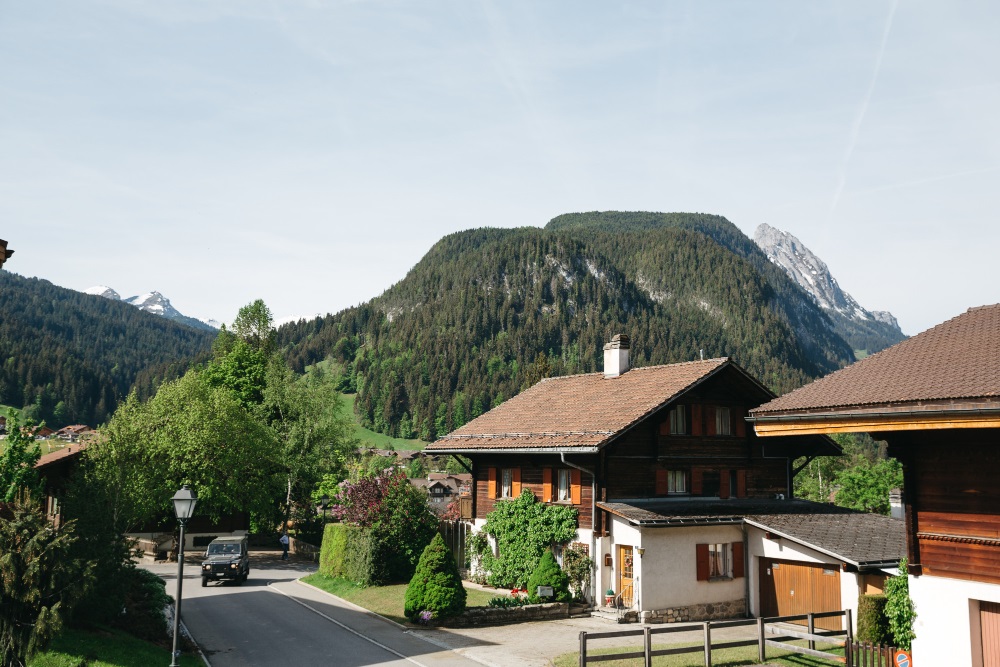
  • Property For Sale In Germany

    Germany’s property market has long been regarded as one of Europe’s most stable, disciplined and structurally sound. For international investors, it has traditionally offered something distinct from more volatile southern European markets: steady yields, strong tenant demand and a legal framework that favours transparency over speculation.

    Yet the landscape has shifted. What was once a market characterised by relentless upward pressure on prices—particularly in major cities—has entered a period of adjustment. Rising borrowing costs, inflationary pressures and a recalibration of investor expectations have reshaped the terrain. The result is not a collapse, but a cooling: a return to fundamentals after a decade of exuberance.

    For global buyers assessing property for sale in Germany, the present environment presents a more complex, but arguably more rational, set of opportunities. Prices are no longer racing ahead of incomes, yields are beginning to stabilise and negotiation has re-entered the lexicon of transactions.

    This is a market in transition—one that rewards careful analysis, regional understanding and a long-term perspective.


    A National Market in Reset Mode

    Germany’s property sector has undergone one of the most notable corrections among major European economies. Following years of rapid appreciation—driven by ultra-low interest rates and strong urban demand—values have softened across many regions.

    The shift has been primarily driven by financing costs. Mortgage rates, once anchored at historically low levels, have risen sharply in response to broader monetary tightening across the eurozone. This has had a direct impact on affordability, particularly for domestic buyers, who form the backbone of the market.

    Transaction volumes have declined significantly. Data from German property associations and notaries indicates a marked reduction in completed deals, particularly in the residential sector. Developers, too, have faced headwinds, with new construction slowing as financing costs rise and demand becomes more cautious.

    However, the correction has been uneven. Prime assets in key cities have shown resilience, while secondary locations and older housing stock have experienced more pronounced price adjustments. On average, residential property prices have declined by mid to high single-digit percentages in many areas, with some markets seeing deeper corrections.

    Importantly, Germany’s property market remains underpinned by strong structural factors: a large rental sector, robust legal protections and a chronic shortage of housing in major urban centres.


    Berlin: From Boom to Recalibration

    Berlin, once the poster child of Europe’s property boom, has entered a more reflective phase. After a decade of dramatic price increases, the city has seen values stabilise and, in some cases, decline modestly.

    The capital’s appeal remains intact. As a political, cultural and economic hub, Berlin continues to attract both domestic migration and international talent. Demand for housing remains strong, particularly in central districts.

    Average apartment prices, which had surged to over €5,000 per square metre in many areas, have softened slightly. Prime locations still command higher figures, particularly for renovated properties and new builds.

    The rental market, however, remains tightly regulated. Rent controls, including the Mietpreisbremse (rent brake), limit increases in many areas. While a previous attempt to impose a stricter rent cap was overturned, the regulatory environment remains a key consideration for investors.

    Yields in Berlin typically range between 2.5% and 4%, reflecting high demand but constrained rental growth. For many investors, the city’s appeal lies in long-term capital appreciation rather than immediate income.


    Munich and Frankfurt: Wealth Anchors of the South and Finance

    Munich continues to rank among Europe’s most expensive property markets. Its strong economy, driven by technology, automotive and finance sectors, supports high incomes and sustained demand.

    Prices in Munich often exceed €8,000 to €10,000 per square metre, with prime properties commanding even higher premiums. While the market has cooled slightly, the city’s structural undersupply of housing continues to support values.

    Frankfurt, Germany’s financial centre, presents a different dynamic. As home to the European Central Bank and a major banking hub, it attracts a highly international workforce. Property prices have risen steadily, though they remain below Munich’s levels, typically ranging between €5,000 and €7,500 per square metre.

    Both cities offer relatively stable rental demand, driven by professional tenants. However, yields remain modest, generally between 2% and 4%, reflecting high entry prices.


    Secondary Cities: Emerging Value and Growth Potential

    Germany’s secondary cities have gained increasing attention from investors seeking better value and higher yields. Locations such as Leipzig, Dresden, Hamburg and Cologne offer a compelling mix of affordability, economic growth and quality of life.

    Leipzig, in particular, has emerged as a standout performer. Once overlooked, it has benefited from strong population growth and a revitalised economy. Property prices remain significantly lower than in Berlin or Munich, often ranging between €2,500 and €4,000 per square metre.

    Hamburg and Cologne, meanwhile, offer more established markets with strong rental demand. Prices in these cities typically fall between €4,000 and €7,000 per square metre, depending on location and property type.

    Yields in secondary cities are generally higher, often reaching 4% to 6% in certain segments. This has attracted both domestic and international investors seeking income-generating assets.


    The Rental Nation: Germany’s Unique Structure

    Germany stands apart from many European countries in its high proportion of renters. More than half of the population rents rather than owns, creating a deep and stable rental market.

    This structural characteristic provides a consistent source of demand for investors. However, it also comes with a regulatory framework designed to protect tenants.

    Rent controls, long-term tenancy rights and restrictions on eviction are central features of the German system. While these measures enhance stability, they can limit rental growth and reduce flexibility for landlords.

    Investors must therefore approach the market with a clear understanding of local regulations. Returns are typically steady rather than spectacular, reflecting the market’s emphasis on stability over rapid gains.


    Costs and Taxes: Transparency with Regional Variation

    The cost of purchasing property in Germany is relatively transparent, though it varies by federal state.

    Transaction costs typically include:

    • Property transfer tax (Grunderwerbsteuer): Ranging from 3.5% to 6.5% of the purchase price, depending on the state.
    • Notary and land registry fees: Approximately 1.5% to 2%.
    • Estate agent fees: Typically between 3% and 7%, often shared between buyer and seller.

    In total, buyers should expect additional costs of around 7% to 12% of the purchase price.

    Ongoing costs include property tax, maintenance and, where applicable, management fees. Rental income is subject to taxation, though various deductions may apply.

    Germany does not impose restrictions on foreign buyers, making it an accessible market for international investors. However, financing conditions may differ for non-residents, with stricter lending criteria and higher deposit requirements.


    Financing: The New Reality of Higher Rates

    The shift in interest rates has been one of the most significant developments in Germany’s property market. Borrowing costs have risen substantially, reducing purchasing power and slowing demand.

    German banks are known for their conservative lending practices. Deposits of at least 20% are typically required, and affordability assessments are rigorous.

    Fixed-rate mortgages are common, often with terms of 10 to 20 years. This provides stability for borrowers but limits flexibility in a changing rate environment.

    For international buyers, financing options depend on income, residency and currency considerations. Some investors opt to purchase with cash, taking advantage of reduced competition and increased negotiating power.


    Supply Constraints and Construction Challenges

    Germany faces a persistent housing shortage, particularly in major cities. Despite strong demand, new construction has struggled to keep pace.

    Rising construction costs, labour shortages and regulatory hurdles have slowed development. Government targets for new housing have been difficult to achieve, exacerbating supply constraints.

    This imbalance between supply and demand is a key factor supporting long-term property values. While prices may fluctuate in the short term, the underlying shortage of housing provides a structural foundation for the market.


    Energy Efficiency and Regulation: A Market in Transition

    Energy performance has become a central issue in Germany’s property sector. Stricter regulations aimed at reducing carbon emissions are reshaping the market, particularly for older properties.

    Buildings with poor energy ratings may require significant investment to meet new standards. This has created a growing divide between modern, energy-efficient properties and older housing stock.

    Renovation costs can be substantial, particularly for properties requiring insulation upgrades, new heating systems or compliance with environmental regulations. However, government incentives and subsidies are available to support these improvements.

    For investors, energy efficiency is no longer a secondary consideration—it is a critical factor influencing both value and rental potential.


    Currency and International Appeal

    Germany’s position within the eurozone makes it an attractive destination for international investors seeking stability. The euro’s relative strength and the country’s economic resilience enhance its appeal as a safe-haven market.

    Currency fluctuations can significantly impact purchasing power for buyers from outside the eurozone. Strategic timing and currency management are therefore important considerations.

    International demand remains robust, particularly from European neighbours, North America and Asia. Germany’s reputation for legal certainty, economic strength and political stability continues to attract long-term investors.


    Commercial Property: A Sector Under Pressure

    While residential property has shown resilience, Germany’s commercial real estate sector has faced more significant challenges.

    Office markets, in particular, have been affected by changing work patterns and rising vacancy rates. Retail properties have also experienced pressure, driven by the growth of e-commerce.

    However, certain segments—such as logistics and residential portfolios—remain attractive. Investors are increasingly selective, focusing on assets with strong fundamentals and long-term viability.


    Outlook: A Market of Discipline and Opportunity

    Germany’s property market is unlikely to return to the rapid growth of the past decade. Instead, it is entering a phase defined by discipline, selectivity and steady performance.

    For investors, this environment offers opportunities to acquire assets at more realistic valuations. The era of bidding wars and unchecked price growth has given way to a more balanced market.

    Long-term fundamentals remain strong. A stable economy, a large rental sector and ongoing housing shortages provide a solid foundation. At the same time, regulatory changes and financing conditions require careful navigation.

    This is not a market for speculative gains. It is a market for measured investment—one that rewards patience, due diligence and a clear understanding of local dynamics.


    Conclusion: Germany’s Enduring Investment Case

    Property for sale in Germany continues to hold significant appeal for international buyers. While the market has cooled from its previous highs, its core strengths remain intact.

    Transparency, legal certainty and economic resilience are hallmarks of the German property sector. These attributes, combined with a disciplined approach to lending and regulation, create a market that prioritises stability over volatility.

    For investors willing to engage with its complexities, Germany offers a compelling proposition: not rapid riches, but reliable returns and long-term value.


    Financial Disclaimer: The information provided in this article is for general informational purposes only and does not constitute financial advice. While every effort has been made to ensure the accuracy of the content, market conditions may change, and unforeseen risks may arise. The author and publisher of this article do not accept liability for any losses or damages arising directly or indirectly from the use of the information contained herein.

    Copyright: schengenproperty.com
    Pictures by: www.magnific.com/

  • Property For Sale In France

    France has long held a unique place in the hierarchy of global property investment. For decades, its combination of cultural prestige, geographic diversity and legal stability has drawn buyers from across Europe, North America, the Middle East and increasingly Asia. From the boulevards of Paris to the vineyards of Bordeaux, from Alpine chalets to Mediterranean villas, the French property market presents not merely a transactional opportunity but an enduring asset class rooted in lifestyle, heritage and resilience.

    Yet the current market climate is no longer defined by the easy liquidity and rapid price appreciation of the post-pandemic surge. Instead, it reflects a more nuanced and, arguably, healthier recalibration. Interest rate pressures, inflationary concerns and shifting buyer demographics have introduced a degree of sobriety into valuations. For international buyers, this creates both challenges and opportunities: a market that requires sharper judgement, but offers greater negotiating power and long-term value.

    This article examines the contemporary landscape of property for sale in France, analysing regional trends, pricing dynamics, legal considerations and forward-looking investment potential. It is written with a global audience in mind, recognising that France remains one of the most accessible and transparent property markets in Europe.


    The National Picture: Stabilisation After Volatility

    France’s housing market has transitioned from a period of exuberance to one of measured adjustment. Following years of strong price growth—particularly in urban centres—rising borrowing costs have cooled demand. Mortgage rates, which were once historically low, have climbed significantly, affecting both domestic buyers and international investors reliant on financing.

    Transaction volumes have declined as a result. Notaries report a contraction in completed sales, particularly in mid-market urban properties where affordability constraints are most acute. However, this decline in activity has not translated into a dramatic collapse in prices. Instead, the market has shown resilience, with modest corrections rather than wholesale declines.

    Nationally, average property prices have edged down by low single-digit percentages in many regions, though the variation is considerable. Prime locations—particularly in Paris and select coastal and Alpine areas—have proven more resistant, supported by international demand and limited supply.

    This is not a distressed market. Rather, it is a rebalanced one, where pricing expectations are adjusting to new financial realities.


    Paris: A Market Reset with Global Gravity

    The Paris property market, often regarded as the bellwether of France’s real estate sector, has experienced a notable recalibration. Prices per square metre, which had reached record highs, have softened as domestic demand weakens under tighter credit conditions.

    Yet Paris retains its status as a global city of enduring appeal. International buyers continue to view it as a safe haven, particularly in prime arrondissements such as the 6th, 7th and 16th. The scarcity of historic apartments, coupled with strict planning controls, underpins long-term value.

    Average prices in central Paris remain among the highest in Europe, typically ranging from €9,000 to €15,000 per square metre, with trophy properties exceeding this range significantly. While yields are relatively modest—often between 2% and 4%—capital preservation and long-term appreciation remain the primary attractions.

    The rental market, particularly for furnished and short-term lets, has tightened due to regulatory restrictions. Investors must navigate licensing requirements and local rules, which vary by arrondissement. Nonetheless, demand for high-quality rental accommodation remains strong, driven by expatriates, corporate tenants and students.


    Regional France: Diversity as Strength

    Beyond Paris, France’s regional markets offer a remarkable diversity of opportunities. Each region operates with its own economic drivers, buyer profiles and pricing structures.

    The South of France: Lifestyle Meets Scarcity

    The Côte d’Azur continues to attract affluent international buyers, particularly from Northern Europe and the Middle East. Locations such as Nice, Cannes and Saint-Tropez remain synonymous with luxury, though price growth has moderated.

    Prime coastal properties command prices ranging from €6,000 to over €20,000 per square metre, depending on location, views and proximity to amenities. Inland areas, including Provence, offer more accessible entry points, with traditional stone houses and rural estates providing strong lifestyle appeal.

    South-West France: Value and Space

    Regions such as Occitanie and Nouvelle-Aquitaine have gained popularity for their relative affordability and quality of life. Cities like Toulouse and Bordeaux offer dynamic economies, supported by aerospace, technology and wine industries.

    Property prices in these areas are significantly lower than in Paris or the Riviera, often ranging between €2,500 and €5,000 per square metre in urban centres, and considerably less in rural locations. This has attracted a growing number of international buyers seeking larger properties and land.

    The Alps: Resilience in High Altitude Markets

    The French Alps remain a cornerstone of the country’s luxury property sector. Ski resorts such as Chamonix, Megève and Courchevel continue to draw high-net-worth individuals, particularly for second homes and investment properties.

    Prices in prime Alpine locations can exceed €15,000 per square metre, reflecting limited supply and strong demand. The year-round appeal of these resorts—now increasingly marketed for summer tourism—supports rental yields and long-term value.

    Rural France: A Quiet Revival

    The pandemic-induced shift towards remote working has left a lasting imprint on rural property markets. Areas once overlooked are experiencing renewed interest, particularly from buyers seeking space, tranquillity and lower costs.

    In many rural departments, properties can still be acquired for under €200,000, offering significant value compared to urban centres. However, buyers must consider infrastructure, connectivity and resale liquidity.


    Pricing and Costs: What Buyers Should Expect

    Purchasing property in France involves a range of costs beyond the headline price. These are relatively transparent and well-regulated, contributing to the market’s reputation for security.

    Transaction costs typically include:

    • Notaire fees: Approximately 7% to 8% of the purchase price for existing properties, and lower for new builds.
    • Agency fees: Usually between 3% and 8%, often included in the advertised price.
    • Stamp duties and taxes: Incorporated within notaire fees.
    • Mortgage costs: Including arrangement fees and insurance, where applicable.

    Ongoing costs include property taxes, known as taxe foncière, and, for residents, taxe d’habitation (though reforms have reduced its applicability). Maintenance costs vary widely depending on property type and location.

    Rental yields in France are generally lower than in some other European markets, reflecting the country’s emphasis on capital preservation rather than high income returns. Gross yields typically range from 2% to 5%, with higher yields achievable in secondary cities and student markets.


    Legal Framework: Transparency and Protection

    France’s legal system provides a high degree of protection for property buyers. Transactions are overseen by a notaire, a public official responsible for ensuring the legality and transparency of the sale.

    The process is structured and predictable. Once an offer is accepted, a preliminary contract (compromis de vente) is signed, followed by a cooling-off period during which the buyer may withdraw without penalty. Completion typically occurs within two to three months.

    Foreign buyers face few restrictions. Non-residents may purchase property freely, and there are no additional taxes specifically targeting international investors. However, financing conditions may differ, with stricter lending criteria applied to non-residents.

    Due diligence is critical. Buyers should pay close attention to property diagnostics, which cover energy efficiency, asbestos, lead and other factors. Environmental regulations, particularly those relating to energy performance, are becoming increasingly significant and may impact future rental viability.


    Financing Conditions: A Changing Landscape

    The cost of borrowing has become a central factor in the French property market. Interest rates, which were once exceptionally low, have risen in response to broader monetary tightening across Europe.

    French banks remain conservative lenders, typically requiring deposits of at least 10% to 20%, with stricter affordability checks. Loan terms can extend up to 25 years, and fixed-rate mortgages are common, providing stability for borrowers.

    For international buyers, financing options depend on residency status, income structure and currency considerations. Some buyers opt to finance purchases in their home country, while others utilise French mortgages to benefit from local rates.

    The tightening of credit conditions has reduced purchasing power, contributing to the recent slowdown in transactions. However, it has also created opportunities for cash buyers, who are now in a stronger negotiating position.


    Supply Constraints and New Build Dynamics

    One of the defining features of the French property market is its constrained supply. Planning regulations are stringent, particularly in historic and environmentally sensitive areas. This limits the pace of new construction and supports long-term price stability.

    The new-build sector, while active, faces challenges. Rising construction costs, labour shortages and regulatory requirements have slowed development. As a result, new properties often command a premium, particularly in urban centres.

    For investors, new builds offer advantages such as lower notaire fees, energy efficiency and reduced maintenance costs. However, they may deliver lower immediate yields compared to older properties.


    Sustainability and Regulation: The Energy Factor

    Energy efficiency has emerged as a critical issue in the French property market. The government has introduced stricter regulations aimed at reducing carbon emissions, particularly in the rental sector.

    Properties with poor energy performance ratings may face restrictions on being rented out in the future. This has significant implications for investors, particularly those considering older properties.

    Renovation costs can be substantial, but government incentives are available to support energy improvements. Buyers must factor these considerations into their investment calculations, as compliance will increasingly influence property values and rental potential.


    Currency Considerations and International Demand

    For international buyers, currency fluctuations play a crucial role in determining affordability. Movements between the euro and other major currencies can significantly impact purchasing power.

    The relative strength of the euro has varied, creating windows of opportunity for buyers from outside the eurozone. Currency hedging strategies are often employed to mitigate risk, particularly for high-value transactions.

    France continues to attract a diverse range of international buyers. British, American, Belgian and Swiss purchasers remain prominent, while interest from Middle Eastern and Asian investors has grown. This diversity contributes to the market’s resilience, providing a steady stream of demand even during periods of domestic slowdown.


    Rental Market Trends: Regulation and Opportunity

    France’s rental market is characterised by strong tenant protections and increasing regulation. Rent controls have been introduced in certain cities, including Paris and Lyon, limiting the ability of landlords to raise rents.

    Short-term rentals, particularly through digital platforms, are subject to strict rules in many urban areas. Licensing requirements and occupancy limits must be carefully observed.

    Despite these constraints, demand for rental accommodation remains robust. Urbanisation, student populations and labour mobility continue to drive demand, particularly in major cities and economic hubs.

    Investors must adopt a strategic approach, focusing on locations and property types that align with regulatory frameworks and tenant demand.


    Long-Term Outlook: Stability with Selective Growth

    The French property market is unlikely to return to the rapid growth seen in previous years. Instead, it is entering a phase of stability, characterised by moderate price movements and more balanced supply-demand dynamics.

    This environment favours informed buyers who are prepared to take a long-term view. France’s structural advantages—legal security, cultural appeal and geographic diversity—remain intact.

    Infrastructure investment, including transport and urban regeneration projects, continues to enhance the attractiveness of certain regions. Meanwhile, demographic trends, including ageing populations and urban migration, will shape future demand.

    For investors, the key lies in selectivity. Prime locations, well-maintained properties and assets aligned with sustainability requirements are likely to outperform.


    Conclusion: A Market That Rewards Patience and Precision

    Property for sale in France continues to offer a compelling proposition for international buyers. While the era of rapid, across-the-board price growth has subsided, the market’s underlying strengths remain evident.

    This is a market that rewards patience, research and a clear understanding of local dynamics. It is not without its complexities—regulation, taxation and financing all require careful consideration—but these are balanced by a level of transparency and security that is rare in global real estate.

    For those willing to navigate its nuances, France offers not just property, but a tangible stake in one of the world’s most enduring and desirable destinations.


    Financial Disclaimer: The information provided in this article is for general informational purposes only and does not constitute financial advice. While every effort has been made to ensure the accuracy of the content, market conditions may change, and unforeseen risks may arise. The author and publisher of this article do not accept liability for any losses or damages arising directly or indirectly from the use of the information contained herein.

    Copyright: schengenproperty.com
    Pictures by: www.magnific.com/
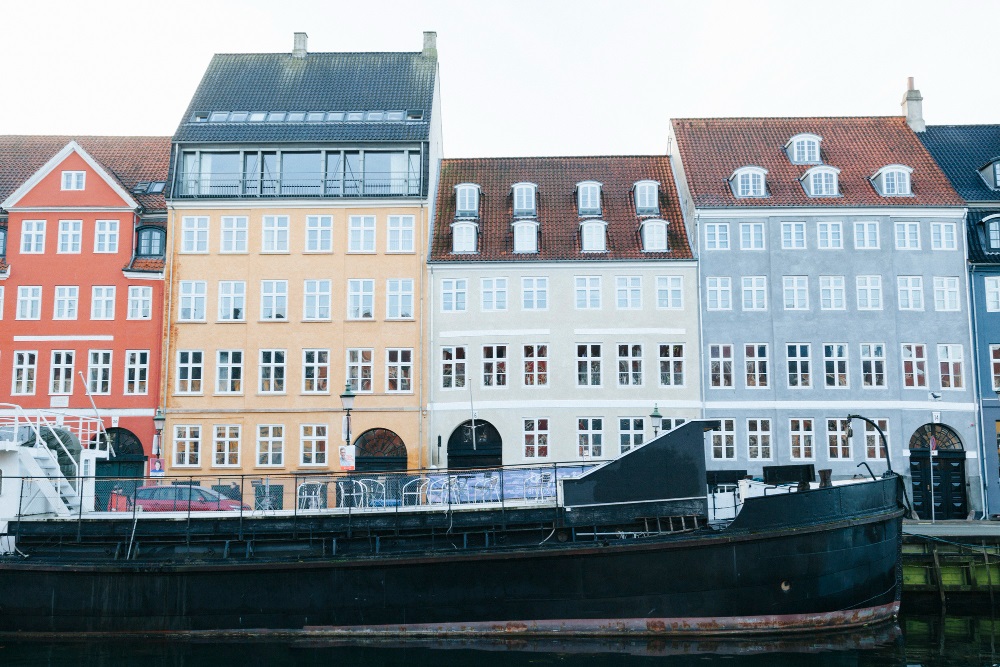
  • Property For Sale In Finland

    Finland has never been a market that courts attention with flamboyance. It does not rely on Mediterranean sunshine or speculative headlines to attract buyers. Instead, its property sector reflects the wider national character: measured, transparent and quietly robust. For international investors and lifestyle buyers alike, property for sale in Finland represents something increasingly rare in Europe—a market underpinned by institutional strength, social stability and long-term economic discipline.

    In a period marked by shifting monetary policy, geopolitical tension and recalibrating real estate values across the continent, Finland stands apart. Its housing market has absorbed external shocks with relative composure, adjusting rather than unravelling. Prices have softened in certain segments, stabilised in others, and are now edging forward in areas supported by employment, infrastructure and demographic demand.

    For those approaching the Finnish market, the key is understanding its rhythm. This is not a landscape driven by rapid gains or speculative cycles. It is one that rewards patience, research and a clear-eyed view of both risks and rewards.


    A Market Rebalanced: From Correction to Controlled Growth

    Finland’s housing market has undergone a period of recalibration following the sharp rise in eurozone interest rates. Borrowing costs, which had hovered at historically low levels, increased significantly, placing pressure on affordability and dampening demand. The immediate effect was a cooling of price growth, particularly in urban apartment markets where leverage had been more pronounced.

    Yet the adjustment was neither abrupt nor disorderly. Finnish banks, known for their conservative lending standards, had not extended credit on the scale seen in more volatile markets. Household debt, while elevated by Nordic standards, remained manageable, and regulatory oversight proved effective in containing systemic risk.

    As interest rates began to stabilise, confidence returned gradually. Transaction volumes, which had dipped during the height of monetary tightening, have begun to recover. Prices in key urban centres are now showing modest annual increases, typically in the range of 2% to 4%, while less dynamic regions continue to experience more subdued activity.

    This measured recovery speaks to the underlying strength of the Finnish economy. With a highly educated workforce, a globally competitive technology sector and strong public finances, Finland provides a stable macroeconomic backdrop for property investment.


    Helsinki: A Capital of Constraint and Consistency

    Helsinki remains the gravitational centre of Finland’s property market. Its appeal lies not only in its status as the political and economic capital but also in its reputation for liveability, infrastructure and environmental quality.

    The city faces a familiar European challenge: demand outpacing supply. Population growth, driven by both domestic migration and international arrivals, has placed sustained pressure on housing availability. New construction has struggled to keep pace, constrained by planning regulations and rising development costs.

    As a result, prices in Helsinki have remained resilient. Apartments in central districts such as Töölö, Kruununhaka and Kamppi typically command between €6,000 and €9,500 per square metre, with prime waterfront developments exceeding these levels. Even in outer districts, prices remain elevated relative to the national average.

    The rental market reflects similar dynamics. Demand from professionals, students and expatriates supports stable occupancy levels, while rents have continued to rise modestly in line with inflation. Gross rental yields in Helsinki generally range from 3% to 5%, depending on location and property type.

    What distinguishes Helsinki is the predictability of its market. Price movements are rarely dramatic, but they are consistently underpinned by economic activity and demographic demand. For investors seeking stability rather than speculation, this consistency is a defining attraction.


    Beyond the Capital: Regional Cities on the Rise

    While Helsinki dominates the narrative, Finland’s regional cities offer a more varied and, in some cases, more accessible entry point into the property market.

    Tampere has emerged as one of the country’s most dynamic urban centres. With a strong industrial heritage and a rapidly expanding technology sector, the city has attracted both businesses and residents. Property prices here typically range from €3,500 to €5,500 per square metre, offering a notable discount compared to Helsinki while maintaining solid rental demand.

    Turku, located on the southwest coast, combines historical significance with a growing life sciences sector. Its property market is characterised by steady demand and moderate price growth, with apartments generally priced between €3,000 and €5,000 per square metre.

    Oulu, further north, has gained recognition as a hub for telecommunications and innovation. While prices remain lower—often between €2,500 and €4,000 per square metre—the city’s economic profile supports long-term potential.

    These regional markets share several advantages: strong infrastructure, high quality of life and relatively affordable housing. For investors, they offer the possibility of higher rental yields, often in the range of 4% to 6%, though liquidity may be lower than in the capital.


    The Distinctive Finnish Model: Housing Companies and Ownership Structures

    One of the defining features of Finland’s property market is the widespread use of housing companies. Rather than owning an apartment outright, buyers typically purchase shares in a company that owns the building. These shares confer the right to occupy a specific unit.

    For international buyers, this structure can appear unfamiliar. However, it offers several advantages. Maintenance responsibilities are shared collectively, and major repairs are often planned and financed through the housing company. This can provide greater predictability in terms of upkeep and costs.

    Transaction processes are also notably efficient. Finland’s land registry system is highly digitised, reducing administrative delays and enhancing transparency. Ownership records are clear, and legal protections are strong.

    Transaction costs are relatively modest by European standards. Buyers should expect to pay a transfer tax of 2% on shares in housing companies or 4% on direct property ownership, along with legal and administrative fees that bring total costs to approximately 2% to 4% of the purchase price.


    Taxation and Ownership Costs: Clarity with Considerations

    Finland’s tax environment is straightforward but requires careful planning. Rental income is taxed as capital income, typically at rates of 30% up to a specified threshold and 34% above it. Allowable deductions, including maintenance costs and mortgage interest, can mitigate the effective tax burden.

    Capital gains tax applies to property sales, though exemptions exist for primary residences held for a defined period. This provides an incentive for owner-occupiers while maintaining a fair tax structure for investors.

    Annual property taxes are relatively low, generally ranging between 0.5% and 1% of assessed value. However, ongoing costs can be influenced by factors such as building age, maintenance requirements and energy efficiency.

    Heating is a significant consideration. Finland’s climate necessitates robust insulation and efficient energy systems. Modern properties, built to high environmental standards, tend to offer lower running costs, while older buildings may require substantial upgrades.


    Rental Market Dynamics: Dependable Demand, Moderate Returns

    Unlike many European property markets, Finland’s rental sector is not heavily driven by tourism. Short-term holiday lets play a limited role, with the market instead dominated by long-term tenancies.

    Urbanisation continues to support rental demand, particularly in Helsinki and other major cities. Students, young professionals and international workers form a stable tenant base, contributing to low vacancy rates.

    Rental levels have increased steadily, though not dramatically. In Helsinki, monthly rents typically range from €20 to €30 per square metre, while in regional cities they are often between €15 and €22.

    Yields, while modest, are underpinned by stability. Investors can expect gross returns of 3% to 5% in the capital and slightly higher in regional markets. This positions Finland as a low-risk, income-focused investment environment rather than a high-yield destination.


    Sustainability and Energy Efficiency: A Structural Shift

    Few European markets place as much emphasis on sustainability as Finland. Environmental considerations are deeply embedded in both policy and practice, and this is increasingly reflected in property values.

    New developments are constructed to stringent energy standards, incorporating advanced insulation, renewable energy systems and low-emission materials. Older properties are subject to ongoing retrofitting, driven by both regulation and market demand.

    Energy Performance Certificates play a critical role in determining property attractiveness. Homes with strong ratings command price premiums, while inefficient properties may face declining demand and increased regulatory pressure.

    This shift is not merely cosmetic. It represents a fundamental transformation of the housing stock, with long-term implications for both costs and valuations. Buyers must consider not only the purchase price but also the future cost of compliance and energy consumption.


    Demographics and Demand: Urbanisation Meets Ageing

    Finland’s demographic profile presents a complex picture. Urbanisation continues to drive demand in major cities, while rural areas face population decline and reduced housing demand.

    The ageing population is another key factor. As households become smaller and older, demand is shifting towards more manageable properties, often in urban settings with access to services.

    At the same time, international migration is playing an increasingly important role. Finland’s reputation for safety, education and technological innovation is attracting skilled workers from across Europe and beyond.

    Remote working trends have further broadened the market. Some buyers are drawn by Finland’s quality of life and digital infrastructure, choosing to live outside traditional urban centres while remaining connected to global employment markets.


    Risks and Realities: A Market Without Illusion

    Finland’s property market offers stability, but it is not without its limitations. Price growth is modest, and those seeking rapid capital appreciation may find other markets more appealing.

    Taxation on rental income, while transparent, can reduce net yields. Investors must carefully assess after-tax returns when evaluating opportunities.

    Liquidity varies by region. Helsinki offers a relatively active market, but properties in less populated areas may take longer to sell.

    Climate is a practical consideration. Harsh winters increase maintenance and energy costs, and properties must be built or upgraded to withstand these conditions.

    Finally, the market’s very stability can be a double-edged sword. It protects against volatility but also limits upside potential.


    The Broader Economic Context: Finland in a Changing Europe

    Finland’s economy is closely integrated with the broader European framework. Its membership of the eurozone provides monetary stability, while its strong institutional framework supports investor confidence.

    The country’s technology sector, led by innovation in telecommunications, clean energy and digital services, continues to drive economic growth. Public finances remain robust by European standards, and governance is widely regarded as transparent and effective.

    These factors combine to create a favourable environment for property investment. While growth may be measured, it is supported by solid foundations rather than speculative momentum.


    Conclusion: A Market of Substance and Subtlety

    Property for sale in Finland represents a distinctive proposition within the European landscape. It is not a market that promises dramatic gains or rapid turnover. Instead, it offers something arguably more valuable: reliability.

    Its strengths lie in its governance, its transparency and its alignment with long-term economic and environmental trends. For international buyers seeking a secure foothold in Europe, Finland provides a compelling combination of stability and quality.

    The key is to approach the market with clarity of purpose. Whether as an investment, a diversification strategy or a lifestyle decision, Finnish property rewards those who prioritise long-term value over short-term excitement.

    In a continent where property markets are often defined by extremes, Finland stands as a study in balance—a market shaped not by speculation, but by substance.


    Financial Disclaimer: The information provided in this article is for general informational purposes only and does not constitute financial advice. While every effort has been made to ensure the accuracy of the content, market conditions may change, and unforeseen risks may arise. The author and publisher of this article do not accept liability for any losses or damages arising directly or indirectly from the use of the information contained herein.

    Copyright: schengenproperty.com
    Pictures by: www.magnific.com/