Author: David Walker

  • Property For Sale In Switzerland

    Switzerland’s property market occupies a unique position in the global real estate landscape. In a continent often shaped by political uncertainty, fluctuating growth and cyclical housing corrections, Swiss real estate continues to project an image of extraordinary stability. For international investors, family offices and high-net-worth buyers, property for sale in Switzerland has become more than a lifestyle aspiration; it is increasingly viewed as a strategic store of wealth.

    This is not merely a reflection of Alpine scenery or postcard-perfect ski resorts. Switzerland’s enduring appeal rests on far deeper foundations: political neutrality, a world-renowned banking system, low inflation, a highly skilled workforce and some of the strongest legal protections for property ownership anywhere in the world.

    Yet the Swiss market is also famously complex. Restrictions on foreign ownership, severe supply shortages and exceptionally high entry prices create barriers that distinguish Switzerland from almost every other European property destination. Buying property here is rarely straightforward, but for those able to navigate the system, the rewards can be considerable.

    What emerges is a market defined not by speculation but by scarcity, discipline and global demand.


    A Housing Market Built on Scarcity and Stability

    Swiss property values have long displayed a remarkable resistance to economic turbulence. Even during periods of wider European housing weakness, Switzerland’s residential market has tended to remain resilient. Several structural factors explain this durability.

    The first is supply. Switzerland’s mountainous geography and stringent planning regulations severely restrict new development. Urban expansion is tightly controlled, while environmental protections limit large-scale construction in many rural and Alpine regions.

    The second is financing discipline. Swiss banks traditionally apply conservative lending standards, requiring substantial deposits and rigorous affordability assessments. This has helped prevent the excessive leverage that destabilised housing markets elsewhere in Europe.

    The third factor is international capital. Switzerland’s reputation as a safe haven continues to attract global wealth, particularly during periods of geopolitical or financial uncertainty.

    Residential prices across Switzerland remain among the highest in Europe. In major cities such as Zurich and Geneva, prime apartments frequently exceed CHF 20,000 per square metre, while luxury waterfront or mountain properties can rise far beyond those levels. Even secondary urban centres command values that would be considered premium pricing in many neighbouring countries.

    Despite elevated borrowing costs in recent years, Swiss property prices have largely held firm. Demand continues to outpace supply in key regions, reinforcing long-term upward pressure on values.
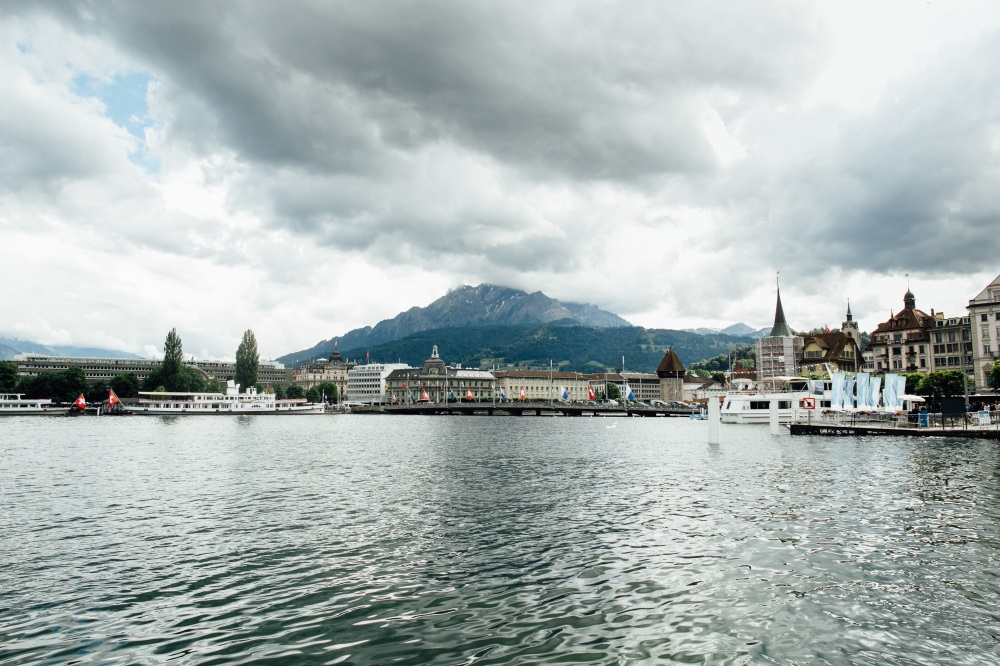

    Zurich: Europe’s Financial Safe Haven

    Zurich sits at the apex of the Swiss residential market. As one of the world’s leading financial centres, the city attracts international bankers, technology firms, legal professionals and private wealth managers in significant numbers.

    The result is a deeply competitive housing market characterised by chronically low supply. Vacancy rates remain exceptionally tight, often below 1%, while demand for quality apartments consistently exceeds availability.

    Property prices in central Zurich now regularly range between CHF 18,000 and CHF 30,000 per square metre in prime districts. Waterfront properties along Lake Zurich command even higher figures, reflecting both scarcity and international prestige.

    Rental demand remains equally strong. Switzerland’s relatively low homeownership rate means that renting is culturally accepted and economically widespread. In Zurich, this creates a stable and highly liquid rental market, though yields are generally modest due to high acquisition costs.

    Gross rental yields typically range between 2% and 4%, depending on property type and location. Investors are therefore drawn primarily by capital preservation and long-term appreciation rather than immediate income generation.

    Zurich’s enduring strength lies in its economic depth. The city continues to benefit from global financial activity, a growing technology sector and exceptional transport infrastructure. Few European cities combine such strong economic fundamentals with such limited housing supply.


    Geneva and the International Buyer

    Geneva offers a different but equally compelling proposition. As home to international organisations, diplomatic missions and multinational corporations, the city maintains one of the most international residential markets in Europe.

    Demand is driven not only by local employment but also by a highly mobile expatriate population. This creates sustained competition for both rental and owner-occupied housing.

    Property prices in Geneva rival those in Zurich, particularly in lakefront districts and prestigious residential neighbourhoods. Apartments commonly range between CHF 15,000 and CHF 28,000 per square metre, while luxury villas occupy a market almost entirely detached from broader economic cycles.

    Geneva’s rental market remains undersupplied, supported by diplomatic and corporate demand. Long-term tenants dominate, though premium furnished rentals also perform strongly.

    For international buyers, Geneva’s appeal extends beyond property itself. Switzerland’s political neutrality, high-quality healthcare and educational institutions reinforce the city’s attractiveness as a long-term base for globally mobile families and professionals.


    The Alpine Market: Luxury, Lifestyle and Limited Supply

    Switzerland’s mountain property sector occupies an almost mythical status within global real estate. Resorts such as Verbier, St Moritz, Zermatt and Gstaad have evolved into internationally recognised luxury markets where scarcity and exclusivity define pricing.

    Demand for Alpine property accelerated significantly during recent years as wealthy buyers increasingly prioritised lifestyle assets and second homes offering privacy and environmental quality.

    In prime ski resorts, chalet prices regularly exceed CHF 25,000 per square metre, while ultra-prime properties can command substantially higher figures. Strict planning regulations and second-home restrictions severely limit new development, preserving long-term scarcity.

    Foreign ownership in many resort areas is regulated under Switzerland’s Lex Koller legislation, which restricts property purchases by non-residents. Buyers must therefore navigate complex regional quotas and permit systems.

    Despite these constraints, international demand remains exceptionally strong. Wealthy buyers from Europe, North America and the Middle East continue to view Swiss Alpine property as both a lifestyle acquisition and a secure long-term asset.


    Swiss Interest Rates and Mortgage Conditions

    Switzerland has historically enjoyed one of the lowest interest-rate environments in the world. For many years, mortgage rates remained extraordinarily cheap, supporting strong property demand.

    The shift towards tighter monetary policy globally inevitably affected Switzerland, though to a lesser extent than many neighbouring countries. The Swiss National Bank acted cautiously, and inflation remained comparatively contained.

    Mortgage rates have risen from historic lows but remain relatively moderate by international standards. Fixed-rate borrowing generally ranges between 2% and 4%, depending on term length and borrower profile.

    Swiss lending culture remains notably conservative. Buyers are typically required to provide deposits of at least 20%, with strict affordability stress testing applied by lenders. Interest-only borrowing is common, reflecting Switzerland’s tax structure and long-term financing norms.

    This prudence has helped shield the market from excessive volatility. While transaction activity slowed during periods of higher rates, widespread distress selling failed to materialise.


    Foreign Ownership Rules: A Market with Barriers

    One of the defining characteristics of Swiss property is the restriction placed on foreign ownership. Unlike many European countries actively encouraging overseas buyers, Switzerland carefully regulates access to its housing market.

    Under the Lex Koller framework, non-resident foreigners face limitations on purchasing residential property. Rules vary significantly between cantons and property types, but broadly speaking:

    Primary residences may be purchased by foreigners holding Swiss residency permits
    Holiday homes are subject to quotas and regional restrictions
    Investment properties are heavily restricted for non-residents

    These controls are designed to prevent excessive foreign speculation and protect housing availability for Swiss residents.

    For international buyers, legal guidance is essential. Navigating cantonal regulations, permit requirements and ownership structures requires specialist expertise.

    However, these very restrictions also contribute to market resilience. By limiting speculative inflows and constraining supply, Switzerland has preserved long-term pricing stability.


    Transaction Costs and Taxation

    Buying property in Switzerland involves relatively moderate transaction costs compared with some European markets, though taxation varies considerably between cantons.

    Typical acquisition costs include:

    Property transfer taxes
    Notary fees
    Land registry charges
    Legal expenses

    Combined transaction costs generally range between 3% and 5% of the purchase price, depending on location.

    Annual property taxation also varies significantly by canton. Wealth taxes, municipal taxes and imputed rental income taxes can all apply, creating a highly localised tax landscape.

    Capital gains taxes are generally levied on property sales, though rates often decrease substantially the longer a property is held. This encourages long-term ownership and discourages short-term speculation.

    For international investors, tax planning is particularly important due to Switzerland’s federal structure and varying regional regulations.


    Rental Markets: Stability Over High Returns

    Switzerland’s rental market is among the most stable in Europe. High property prices and strict lending requirements contribute to relatively low homeownership rates, particularly in urban areas.

    As a result, rental demand remains structurally strong. Cities such as Zurich, Geneva and Lausanne continue to experience housing shortages, supporting steady rental growth.

    However, rental yields remain relatively low due to elevated purchase prices. Gross yields in major cities typically range from 2% to 4%, though smaller regional markets may offer slightly higher returns.

    Institutional investors dominate much of the rental sector, particularly pension funds seeking stable long-term income streams.

    Short-term holiday rentals are important in Alpine regions but face increasing regulatory oversight in certain cantons.


    Sustainability and Swiss Construction Standards

    Switzerland’s commitment to environmental quality is increasingly shaping its property sector. New developments are built to exceptionally high energy-efficiency standards, while older buildings face growing pressure to modernise.

    Sustainability certifications and low-carbon construction methods are becoming increasingly important in determining property values. Energy-efficient homes command premiums, particularly in urban markets where operating costs and environmental credentials influence buyer decisions.

    Swiss construction standards are already among the highest in Europe, contributing to both property durability and elevated building costs.

    For buyers, this means higher acquisition prices but generally lower long-term maintenance risks.


    The Broader Economic Picture

    Switzerland’s economic strength continues to underpin its property market. The country benefits from low unemployment, strong public finances and globally competitive sectors including banking, pharmaceuticals and technology.

    Political neutrality and institutional stability further reinforce investor confidence. In periods of international uncertainty, Switzerland’s reputation as a financial safe haven often strengthens demand for domestic real estate.

    At the same time, the strength of the Swiss franc can influence international buying patterns. Currency movements significantly affect affordability for foreign investors and can either stimulate or suppress overseas demand.

    Nevertheless, Switzerland’s long-term attractiveness remains firmly intact.


    Risks and Challenges in the Swiss Market

    Despite its stability, Switzerland’s property market is not without challenges.

    Affordability has become a growing concern, particularly for younger domestic buyers. Prices in major cities have risen far faster than incomes, increasing political pressure around housing supply.

    Strict foreign ownership rules can limit flexibility for international purchasers. Regulatory complexity and cantonal variation require careful legal and financial planning.

    Liquidity in ultra-prime segments may also fluctuate during periods of economic uncertainty, though severe corrections remain rare.

    Finally, the market’s defensive qualities come at a cost. Entry prices are exceptionally high, and rental yields remain relatively modest compared with other international markets.


    Conclusion: Switzerland’s Enduring Place in Global Property

    Property for sale in Switzerland remains one of the world’s most secure and prestigious real estate propositions. It is a market defined by scarcity, institutional credibility and extraordinary long-term resilience.

    Unlike more speculative property destinations, Switzerland offers stability rooted in economic strength, conservative financing and disciplined regulation. Its cities continue to attract international talent and capital, while its Alpine regions remain synonymous with global luxury.

    For international buyers, Switzerland is rarely about quick profits or high yields. Instead, it represents wealth preservation, lifestyle quality and strategic diversification within one of the world’s safest jurisdictions.

    In an increasingly uncertain global environment, those qualities are becoming ever more valuable.


    Financial Disclaimer: The information provided in this article is for general informational purposes only and does not constitute financial advice. While every effort has been made to ensure the accuracy of the content, market conditions may change, and unforeseen risks may arise. The author and publisher of this article do not accept liability for any losses or damages arising directly or indirectly from the use of the information contained herein.

    Copyright: schengenproperty.com
    Pictures by: www.magnific.com/

  • Property For Sale In Sweden

    Sweden’s property market has entered a decisive new phase. Long regarded as one of Europe’s most sophisticated and transparent housing sectors, it has spent recent years navigating the turbulence created by rising interest rates, slowing construction activity and shifting demographic pressures. Yet amid these challenges, Sweden has retained the qualities that continue to attract international investors: political stability, strong institutions, world-class infrastructure and a deeply embedded culture of long-term wealth preservation through property ownership.

    For overseas buyers searching for property for sale in Sweden, the market offers a distinctive proposition. Unlike the speculative coastal markets of southern Europe or the ultra-prime enclaves of London and Paris, Sweden’s housing sector is rooted in economic fundamentals. This is a country where urbanisation, technological innovation and sustainability policy exert as much influence over property values as tourism or foreign capital.

    What has emerged is a market that is more cautious than exuberant, but also more resilient than many of its European counterparts. Sweden may no longer be the rapid-growth property story of the past decade, yet for long-term investors and internationally mobile professionals, it remains one of Europe’s most credible and secure real estate environments.


    A Market Reset After the Era of Cheap Money

    Sweden’s housing market was heavily shaped by the low-interest-rate environment that prevailed for much of the previous decade. Property prices rose sharply, particularly in Stockholm and Gothenburg, as borrowing became increasingly affordable and demand outpaced supply.

    The sharp tightening of monetary policy across Europe and the Nordic region fundamentally changed those dynamics. Higher mortgage rates placed pressure on heavily indebted households and triggered a cooling in demand. Residential prices corrected in many areas, particularly in apartment markets where leverage had been highest.

    However, Sweden avoided the severe market dislocation that some analysts feared. Strong employment levels, prudent banking oversight and a limited supply of housing helped stabilise the sector. As inflationary pressures began to moderate, confidence gradually returned to the market.

    Property prices are now recovering steadily in key urban centres, though growth remains measured. Stockholm has led the rebound, while regional cities have demonstrated varying degrees of resilience depending on local economic conditions.

    This recalibration has created a healthier balance between affordability and demand. Buyers entering the Swedish market today are doing so in a more disciplined environment, one shaped by economic reality rather than speculative momentum.


    Stockholm: Scandinavia’s Premium Property Market

    Stockholm remains the centrepiece of Sweden’s residential property market and one of the most expensive cities in Northern Europe. Built across islands and waterways, the Swedish capital combines economic power with environmental quality and architectural elegance.

    Demand for housing in Stockholm continues to exceed supply, particularly in central districts such as Östermalm, Norrmalm and Södermalm. Strict planning regulations and limited land availability constrain new construction, while population growth continues to support demand.

    Apartment prices in prime districts now frequently range between SEK 100,000 and SEK 160,000 per square metre, with luxury waterfront properties commanding substantially higher values. Even suburban districts connected by Stockholm’s efficient transport system have experienced sustained price growth.

    The city’s rental market remains tightly controlled and highly competitive. Sweden’s regulated rental framework limits rental inflation but also contributes to long waiting lists for tenancy contracts. As a result, privately owned apartments available for rental remain in strong demand.

    Gross rental yields in Stockholm are generally modest, often ranging between 2.5% and 4%. Investors are therefore typically drawn more by long-term capital preservation and stability than by immediate income returns.

    What distinguishes Stockholm is the depth of its economy. Sweden’s technology, finance and innovation sectors continue to attract highly skilled professionals from around the world, reinforcing long-term housing demand.


    Gothenburg and Malmö: Regional Growth Centres

    Beyond Stockholm, Sweden’s secondary cities offer increasingly attractive opportunities for buyers seeking comparatively lower entry costs and stronger yields.

    Gothenburg, Sweden’s second-largest city, benefits from its strategic importance as a logistics and industrial hub. The presence of major automotive, shipping and technology industries supports steady employment growth and housing demand.

    Property prices in Gothenburg remain below Stockholm levels, typically ranging between SEK 50,000 and SEK 90,000 per square metre in desirable districts. Rental demand is strong, particularly among younger professionals and students, producing yields that can exceed those available in the capital.

    Malmö, linked to Copenhagen via the Öresund Bridge, presents a distinctive cross-border dynamic. The city has evolved significantly from its industrial past and now attracts a growing population drawn by relative affordability and connectivity to Denmark.

    Housing in Malmö is generally more accessible than in Stockholm or Gothenburg, though prices have risen steadily as demand has increased. The city’s international population and expanding business environment continue to underpin market activity.

    Together, these regional centres illustrate the broader diversification of Sweden’s property market. While Stockholm dominates international attention, growth opportunities increasingly exist elsewhere.


    The Swedish Housing Model: Structure and Regulation

    Sweden’s property system differs in several important respects from many international markets. Apartments are often purchased through housing cooperatives, known as “bostadsrättsföreningar”, rather than through outright freehold ownership.

    Under this structure, buyers purchase the right to occupy an apartment within a collectively managed building. Monthly fees contribute towards maintenance, repairs and communal expenses. The financial health of the cooperative is therefore an important consideration for buyers.

    This model contributes to Sweden’s generally high standards of property management but requires careful due diligence. Buyers must assess not only the apartment itself but also the cooperative’s debt levels and maintenance obligations.

    Transaction processes are efficient and transparent. Sweden’s digital infrastructure and strong legal protections reduce administrative complexity, making the buying process relatively straightforward for international purchasers.

    However, foreign buyers should be aware that mortgage financing can be more restrictive than in some other European markets. Swedish banks typically apply conservative lending criteria, particularly for non-residents.


    Interest Rates and Household Debt: The Core Market Challenge

    One of the defining features of Sweden’s housing market is household indebtedness. Swedish homeowners traditionally relied heavily on variable-rate mortgages, leaving many exposed to rising borrowing costs.

    As interest rates increased sharply, monthly mortgage payments rose correspondingly, placing pressure on household finances and reducing affordability. This contributed to the market slowdown and prompted greater caution among buyers.

    Nevertheless, Sweden’s strong labour market and robust welfare system helped cushion the impact. Unemployment remained comparatively low, and widespread mortgage defaults did not materialise.

    Mortgage rates have now begun to stabilise, though they remain significantly higher than during the ultra-low-rate era. Typical borrowing costs currently range between 3% and 5%, depending on loan structure and borrower profile.

    This new financing environment has fundamentally altered buyer behaviour. Demand has become more selective, and energy-efficient properties with lower operating costs are increasingly favoured.


    Rental Markets and Investment Returns

    Sweden’s rental market presents a mixed picture for international investors. On one hand, demand for housing in major cities remains extremely strong. On the other, regulatory constraints can limit flexibility and profitability.

    Rent controls continue to shape much of the market, particularly for long-term tenancies. While this provides stability for tenants, it can suppress rental growth and reduce yields for landlords.

    In major urban centres, gross rental yields typically range from:

    2.5% to 4% in Stockholm
    3% to 5% in Gothenburg and Malmö
    Higher yields in secondary regional markets

    Short-term holiday rentals remain less dominant than in southern Europe, though tourism-focused markets such as Stockholm’s historic districts and ski destinations in northern Sweden have seen growth in this sector.

    Institutional investors have become increasingly active in Sweden’s rental housing market, reflecting confidence in long-term urban demand despite regulatory constraints.


    Sustainability and Green Property Standards

    Environmental performance has become central to Sweden’s property sector. Sustainability is not simply an emerging trend but a deeply integrated component of housing policy and construction standards.

    New developments are built to exceptionally high energy-efficiency standards, incorporating renewable energy systems, advanced insulation and low-carbon materials. Older buildings are increasingly subject to renovation requirements aimed at improving environmental performance.

    Energy-efficient properties command growing premiums, particularly as heating and utility costs remain important considerations in the Nordic climate.

    Sweden’s emphasis on sustainable urban planning also enhances long-term property appeal. Cities are designed with public transport, green spaces and environmental resilience in mind, contributing to high levels of liveability.

    For investors, this focus on sustainability has financial implications. Buildings with poor environmental credentials may face declining demand and increasing refurbishment costs over time.


    The International Buyer: A Changing Demographic

    Sweden’s property market has historically been driven primarily by domestic demand. However, international interest has grown steadily, particularly among professionals relocating for work and investors seeking stable European assets.

    Buyers from Germany, the Netherlands, the United Kingdom and increasingly North America have shown rising interest in Swedish real estate. Stockholm’s technology ecosystem, in particular, has attracted internationally mobile workers and entrepreneurs.

    The appeal extends beyond cities. Sweden’s countryside, lakeside properties and northern wilderness regions attract lifestyle buyers seeking privacy and environmental quality.

    However, international purchasers should recognise that Sweden is not a low-cost market. High construction standards, strong labour protections and regulatory compliance all contribute to relatively elevated property prices and maintenance costs.


    Risks and Challenges in the Swedish Market

    Despite its strengths, Sweden’s property market faces several challenges.

    Housing affordability remains a political issue, particularly in Stockholm where prices have outpaced income growth over many years. This could lead to further regulatory intervention in areas such as rental policy and development controls.

    Construction activity has slowed considerably due to higher financing costs and weaker developer margins. Over time, this may exacerbate housing shortages in major cities.

    Demographic trends also present complexity. While urban populations continue to grow, some rural regions face stagnation or decline, limiting long-term demand outside key economic centres.

    Finally, Sweden’s exposure to global economic conditions means that external shocks can influence buyer confidence and investment flows.


    A Market Defined by Long-Term Thinking

    What ultimately distinguishes Sweden’s property market is its orientation towards long-term stability rather than short-term speculation. Price growth tends to reflect structural factors—employment, demographics, infrastructure and sustainability—rather than sudden surges of speculative demand.

    For international buyers, this creates a very different investment profile from more volatile markets. Sweden offers security, transparency and institutional reliability, but it does not promise rapid or dramatic returns.

    Instead, it appeals to those seeking durable value in a politically stable and economically advanced society.


    Conclusion: Sweden’s Enduring Appeal in a Volatile Europe

    Property for sale in Sweden occupies a unique place within the European housing landscape. It is a market shaped not by excess but by discipline, not by speculation but by structural strength.

    Its cities remain among the world’s most liveable. Its legal and financial systems are trusted internationally. Its commitment to sustainability aligns closely with the direction of global investment trends.

    While higher interest rates and affordability pressures have altered market dynamics, they have not undermined Sweden’s fundamental attractiveness. If anything, the recent correction has reinforced the sector’s credibility by demonstrating its ability to absorb economic stress without systemic instability.

    For international investors and buyers seeking long-term security within Europe, Sweden continues to offer something increasingly valuable: confidence grounded in substance rather than sentiment.


    Financial Disclaimer: The information provided in this article is for general informational purposes only and does not constitute financial advice. While every effort has been made to ensure the accuracy of the content, market conditions may change, and unforeseen risks may arise. The author and publisher of this article do not accept liability for any losses or damages arising directly or indirectly from the use of the information contained herein.

    Copyright: schengenproperty.com
    Pictures by: www.magnific.com/
  • Property For Sale In Spain

    Spain’s property market has entered a new and more mature phase. Once associated with speculative excess, half-built coastal developments and the financial wreckage of the global banking crisis, the country has re-emerged as one of Europe’s strongest and most internationally attractive real estate destinations. The transformation has been gradual but profound. What now defines the Spanish market is not reckless expansion but constrained supply, resilient tourism, foreign capital inflows and a structural housing shortage in key urban areas.

    For international buyers searching for property for sale in Spain, the appeal remains obvious. Climate, lifestyle and accessibility continue to draw millions of visitors and thousands of relocating residents every year. Yet the modern Spanish property market is no longer simply a retirement story or a holiday-home narrative. Increasingly, it is about investment diversification, rental income, digital migration and long-term wealth preservation within the eurozone.

    The result is a market that feels simultaneously familiar and fundamentally different. Spain remains one of Europe’s most desirable places to buy property, but it has become considerably more sophisticated, more regulated and, in many areas, significantly more expensive.


    A Property Market Defined by Recovery and Reinvention

    The scars of Spain’s property collapse during the financial crisis have not entirely disappeared, but they have shaped a more disciplined market environment. Lending standards are tighter, speculative building is far more controlled and international investors have become more selective.

    Over recent years, Spanish residential prices have risen steadily, supported by strong employment growth, population increases and persistent demand from overseas buyers. Despite higher borrowing costs across Europe, prices in many parts of Spain have continued to advance, particularly in areas where housing supply remains constrained.

    Average residential prices across Spain now range between €2,000 and €4,500 per square metre nationally, although prime urban districts and premium coastal areas sit well above these levels. Madrid and Barcelona continue to dominate the market, but regional cities and lifestyle destinations are increasingly attracting attention.

    Foreign buyers account for a significant share of transactions in coastal provinces, particularly along the Costa del Sol, Costa Blanca and Balearic Islands. British, German, Dutch, Scandinavian and increasingly American buyers remain highly active, despite wider economic uncertainty.

    What has changed most dramatically is the nature of demand. Buyers are no longer motivated purely by sunshine and affordability. Increasingly, they are seeking political stability, healthcare quality, infrastructure and remote working flexibility. Spain, with its extensive transport network and modern digital infrastructure, has benefited considerably from these trends.


    Madrid: Spain’s Financial and Residential Powerhouse

    Madrid has evolved into one of Europe’s most compelling urban property markets. The Spanish capital combines economic strength with international appeal, drawing investors who previously focused primarily on Paris, London or Berlin.

    The city’s property market is supported by several powerful forces: a growing population, limited new housing supply and a rapidly expanding technology and financial services sector. International companies continue to establish operations in Madrid, fuelling demand for both residential purchases and rentals.

    Property prices in prime districts such as Salamanca, Chamberí and Chamartín now regularly exceed €8,000 per square metre, with luxury developments pushing beyond €12,000. More affordable outer districts continue to offer opportunities, though values there have also risen sharply.

    Rental demand remains exceptionally strong. Gross yields in Madrid generally range between 4% and 6%, depending on location and property type. Long-term rentals dominate, although corporate lets and premium serviced apartments are increasingly significant.

    Unlike some European capitals, Madrid still offers relative value when compared with cities such as Paris or Amsterdam. This pricing gap has attracted international investors seeking both income and long-term appreciation.


    Barcelona: International Appeal Meets Regulatory Complexity

    Barcelona remains one of Europe’s most recognisable property markets. Its architectural heritage, Mediterranean climate and global tourism profile continue to attract international attention. Yet the city also represents the increasingly complex intersection between housing affordability, tourism pressure and political regulation.

    Property prices in central Barcelona typically range between €5,000 and €9,000 per square metre, with premium seafront and historic properties commanding higher values. Demand from overseas buyers remains strong, particularly for renovated apartments in established districts such as Eixample and Gràcia.

    However, the regulatory environment has tightened considerably. Local authorities have imposed stricter controls on short-term rentals, reflecting concerns over housing availability and overtourism. Investors seeking holiday rental income must therefore navigate a more restrictive licensing framework.

    Despite these challenges, Barcelona’s long-term fundamentals remain strong. The city continues to attract technology firms, entrepreneurs and remote workers, creating sustained demand for quality housing.

    For international buyers, Barcelona remains attractive, but it is no longer a simple tourism-driven investment market. Due diligence and regulatory awareness are now essential.


    The Mediterranean Coast: Lifestyle and Investment Combined

    No discussion of property for sale in Spain is complete without the Mediterranean coast. From Málaga to Alicante, coastal Spain remains one of the most internationally driven property regions in Europe.

    The Costa del Sol has experienced particularly strong growth. Málaga, once regarded primarily as a gateway airport city, has transformed into a thriving technology and cultural centre. International investment, infrastructure improvements and luxury development have reshaped the market.

    Prime villas in Marbella and surrounding areas now regularly exceed €3 million, while apartments in desirable coastal locations typically range from €4,000 to €8,000 per square metre. Demand from affluent international buyers has remained resilient despite rising prices.

    Further north, the Costa Blanca continues to attract buyers seeking comparatively lower entry costs. Alicante province offers apartments from around €2,000 per square metre in secondary locations, though premium beachfront areas command considerably higher prices.

    The Balearic Islands represent an altogether different segment. Mallorca and Ibiza have become ultra-prime international markets where limited supply and strict planning regulations have driven prices sharply upward. In many parts of the islands, luxury property values now rival those of major European capitals.

    What underpins all these markets is scarcity. Coastal planning restrictions, environmental regulations and limited land availability are constraining new development. This structural imbalance between supply and demand continues to support long-term price growth.


    The Canary Islands: Europe’s Year-Round Market

    The Canary Islands occupy a distinctive position within the Spanish property landscape. Their year-round climate and strong tourism sector create demand patterns that differ markedly from mainland Spain.

    Tenerife and Gran Canaria remain particularly attractive to northern European buyers seeking second homes or retirement properties. Prices vary significantly depending on location, but prime resort areas have experienced notable appreciation.

    Rental yields can be attractive, especially in short-term holiday markets, though local regulation is evolving. Investors increasingly need to consider licensing requirements and local restrictions before purchasing.

    The islands’ relative affordability compared with the Balearics continues to attract international demand, although prices have risen steadily in recent years.


    Interest Rates, Inflation and the Cost of Borrowing

    Spain’s housing market has inevitably been shaped by broader eurozone monetary policy. Rising interest rates initially slowed transaction volumes and softened buyer sentiment, particularly among domestic purchasers reliant on financing.

    However, Spain’s market has shown remarkable resilience. Several factors explain this. Many international buyers purchase without mortgages, reducing sensitivity to borrowing costs. Additionally, supply shortages in key areas have continued to support pricing.

    Mortgage rates now typically range between 3% and 4.5%, depending on borrower profile and loan structure. Spanish banks remain active lenders, though lending standards are considerably stricter than during the pre-crisis years.

    Inflationary pressures have also increased construction costs, limiting new supply and reinforcing upward pressure on prices in established markets.


    Buying Property in Spain: Legal Framework and Transaction Costs

    Spain’s property buying process is relatively straightforward for international purchasers, though careful legal oversight is essential.

    The typical transaction process involves:

    Reservation agreement
    Private purchase contract
    Due diligence checks
    Completion before a notary
    Registration with the Land Registry

    Buyers must obtain a foreign identification number, known as an NIE, before purchasing.

    Transaction costs are significant and should not be underestimated. Buyers generally face costs of between 10% and 15% of the purchase price, including:

    Property transfer tax on resale properties
    VAT on new-build homes
    Notary and legal fees
    Land Registry charges

    Transfer taxes vary by region but commonly range between 6% and 10%. New-build properties attract VAT, typically at 10%.

    Legal due diligence is particularly important in Spain due to historical issues involving planning permissions, land classification and unregistered developments. Using an independent lawyer is essential.


    Rental Markets: Strong Demand but Growing Regulation

    Spain’s rental sector has undergone substantial transformation. Urbanisation, population growth and rising tourism have all contributed to strong rental demand.

    In major cities, long-term rental markets remain highly competitive. Madrid and Barcelona continue to experience housing shortages, driving rent increases despite government intervention attempts.

    Gross rental yields generally range from:

    4% to 6% in major cities
    5% to 8% in coastal tourist regions
    Lower yields in ultra-prime luxury markets

    Short-term holiday rentals remain profitable in many areas but face increasing regulation. Several regions have introduced licensing restrictions, occupancy limits and zoning controls designed to protect housing availability for residents.

    Investors must therefore evaluate not only potential income but also the evolving political and regulatory environment.


    Spain’s Golden Visa and International Demand

    Spain’s residency-by-investment programme significantly boosted overseas demand over the past decade, particularly among non-EU investors. Although political debate around the future of such schemes has intensified, international demand remains robust even beyond residency incentives.

    American buyers, in particular, have become more active, encouraged by favourable exchange rates and Spain’s comparatively lower property prices relative to major US cities.

    Northern European buyers continue to dominate coastal markets, while Latin American investors increasingly view Madrid as both a cultural and financial safe haven.

    This diversification of international demand has strengthened the market’s resilience.


    Sustainability and Energy Efficiency: A New Priority

    Spain’s property sector is undergoing a gradual but important transition towards sustainability. Energy efficiency standards are tightening, particularly for new developments.

    Modern projects increasingly incorporate solar energy, improved insulation and environmentally efficient construction methods. Buyers are becoming more conscious of running costs and environmental performance, particularly in urban markets.

    Older housing stock, especially in historic city centres, often requires substantial renovation to meet evolving standards. This creates both challenges and opportunities for investors.

    Properties with strong energy ratings are increasingly commanding price premiums, reflecting wider European trends.


    Risks and Market Challenges

    Despite its strengths, Spain’s property market is not without risks.

    Affordability pressures are intensifying in major cities, creating political tension around housing policy. Regulatory intervention, particularly in rental markets, may increase over time.

    Climate considerations are becoming increasingly relevant. Water shortages and extreme heat in some southern regions are beginning to influence both development policy and buyer preferences.

    Regional economic disparities also remain significant. While Madrid, Barcelona and major coastal markets continue to perform strongly, some inland regions experience weaker demand and slower growth.

    Finally, while Spain’s market is far more disciplined than during the pre-crisis years, buyers should remain cautious of overpaying in highly competitive luxury segments.


    Conclusion: Spain’s Enduring Global Property Appeal

    Property for sale in Spain continues to occupy a unique place within the European market. Few countries combine lifestyle appeal, infrastructure quality, tourism strength and international accessibility so effectively.

    Yet modern Spain is no longer simply a destination for bargain hunters or speculative investors. It has evolved into a more sophisticated, professionally driven market where success depends upon careful research, location selection and long-term thinking.

    For international buyers, the attraction remains compelling. Whether seeking urban investment opportunities in Madrid, coastal lifestyle assets along the Mediterranean or long-term rental income in growing regional markets, Spain offers diversity, liquidity and enduring international demand.

    In a Europe increasingly defined by economic uncertainty and housing shortages, Spain’s combination of climate, culture and market maturity ensures that its property sector will remain firmly on the radar of global investors for years to come.


    Financial Disclaimer: The information provided in this article is for general informational purposes only and does not constitute financial advice. While every effort has been made to ensure the accuracy of the content, market conditions may change, and unforeseen risks may arise. The author and publisher of this article do not accept liability for any losses or damages arising directly or indirectly from the use of the information contained herein.

    Copyright: schengenproperty.com
    Pictures by: www.magnific.com/

  • Property For Sale In Slovenia

    Slovenia has long existed in the shadow of larger European property markets. Nestled between Italy, Austria, Croatia and Hungary, this compact Central European nation rarely commands the headlines generated by Mediterranean hotspots or major financial centres. Yet quietly and steadily, Slovenia has cultivated one of Europe’s most stable and increasingly attractive real estate markets.

    What makes Slovenia unusual is the balance it offers. It combines eurozone stability with Alpine scenery, Mediterranean influences with strong infrastructure and relatively manageable property prices with high quality of life. In many respects, it captures the best elements of several neighbouring countries while avoiding some of their excesses.

    For international buyers, Slovenia increasingly represents an alternative to overcrowded and overpriced Western European destinations. Its appeal lies not in speculative excitement but in long-term sustainability, liveability and measured growth.

    The property market reflects these characteristics. Prices have risen consistently over recent years, particularly in urban centres and tourism regions, yet the market remains relatively disciplined. Demand is supported by domestic stability, growing international interest and limited housing supply in key areas.

    As global buyers search for politically secure, environmentally attractive and economically resilient destinations, Slovenia is beginning to move from overlooked to highly regarded.


    A Stable Economy Underpinning Housing Demand

    Slovenia’s economic position is central to understanding its property market. Since gaining independence and later joining both the European Union and the eurozone, the country has developed into one of the most stable economies in Central Europe.

    Manufacturing, logistics, pharmaceuticals, tourism and technology all contribute to economic output, while Slovenia’s strategic position at the crossroads of major European trade routes strengthens its regional importance.

    Unlike some neighbouring markets that experienced extreme volatility during earlier economic cycles, Slovenia’s housing market has generally followed a more measured trajectory. The country avoided many of the speculative excesses seen elsewhere in Europe, and its banking sector has become significantly more robust since the financial crises of the past decade.

    Employment levels remain relatively strong, wage growth has supported domestic purchasing power and public infrastructure standards continue to improve. These factors have sustained housing demand even as higher European interest rates have moderated transaction activity.

    One of Slovenia’s defining advantages is its scale. With a population of just over two million, the country is compact and manageable. Economic and social stability tend to translate quickly into property market confidence.


    Ljubljana: Small Capital, Growing International Appeal

    At the centre of Slovenia’s property market lies Ljubljana, a capital city whose international reputation has risen sharply over the past decade.

    Ljubljana combines Baroque architecture, riverside cafés, green public spaces and a growing technology and business sector within an exceptionally walkable urban environment. It consistently ranks highly for quality of life, environmental sustainability and liveability.

    This growing reputation has translated directly into housing demand. Property prices in Ljubljana have risen substantially as both domestic buyers and international investors target the limited housing stock available within the city.

    Prime apartments in central districts commonly range between €4,500 and €8,000 per square metre, while premium new developments can exceed these levels. Prices remain below those seen in Vienna or Munich, yet they have climbed rapidly relative to local income levels.

    Demand is particularly strong for modern energy-efficient apartments and renovated historic properties near the city centre. Supply constraints remain significant, partly due to limited development land and strict planning considerations aimed at preserving Ljubljana’s architectural character.

    Rental demand is equally healthy. Students, professionals, expatriates and diplomats all contribute to a stable tenant market. Gross rental yields generally range between 3.5% and 5%, depending on property type and location.

    While the market has cooled slightly in response to higher borrowing costs, Ljubljana continues to benefit from long-term structural demand.


    Lake Bled and the Tourism Property Market

    If Ljubljana represents Slovenia’s economic heart, then Lake Bled embodies its international lifestyle appeal.

    The iconic Alpine lake, with its church-topped island and surrounding mountains, has become one of Europe’s most recognisable tourism destinations. International visitors continue to drive strong demand for holiday accommodation and second homes throughout the region.

    Property around Lake Bled and nearby alpine areas commands significant premiums relative to much of the country. Luxury chalets, lake-view apartments and boutique tourism properties are particularly sought after.

    The broader tourism market also extends to ski resorts, wellness retreats and the Julian Alps. Buyers increasingly view these regions not merely as holiday destinations but as long-term lifestyle investments.

    However, supply remains tightly constrained due to environmental protections and strict development controls. This scarcity has helped support property values despite fluctuations in tourism activity.

    For investors, the tourism segment offers attractive opportunities, though seasonal demand patterns and regulatory considerations require careful evaluation.


    The Adriatic Coast and Mediterranean Appeal

    Slovenia’s coastline may be short compared with neighbouring Croatia, but it exerts a disproportionate influence on the property market.

    Coastal towns such as Piran, Portorož and Koper continue to attract buyers seeking Mediterranean lifestyle properties within a relatively stable and less crowded environment.

    Property prices along the Adriatic coast are among the highest in Slovenia, particularly for sea-view apartments and historic stone properties. Premium coastal homes can rival pricing in more established Mediterranean destinations.

    Tourism remains a major driver of demand, particularly for short-term rentals during summer months. Yet the coast also appeals to retirees and remote workers seeking year-round residence within the Schengen area.

    The limited size of Slovenia’s coastline contributes significantly to scarcity. Available inventory is often extremely limited, particularly within historic towns where development opportunities are tightly restricted.


    Foreign Buyers and Growing International Interest

    International interest in Slovenian property has grown steadily in recent years. Buyers from Germany, Austria, Italy, the Netherlands and increasingly North America are becoming more active within the market.

    Several factors support this trend. Slovenia offers eurozone stability, strong infrastructure, political security and comparatively straightforward property ownership rules for EU citizens.

    English is widely spoken in business and tourism sectors, making transactions more accessible for overseas buyers. The country’s legal system is generally transparent, though professional legal representation remains essential for all purchases.

    Non-EU buyers may face additional administrative requirements depending on reciprocity agreements and ownership structures, though foreign investment overall remains relatively open compared with some European jurisdictions.

    International demand is particularly strong in Ljubljana, Lake Bled and coastal regions where lifestyle appeal combines with investment potential.


    Supply Shortages Continue to Support Prices

    One of the defining features of Slovenia’s housing market is limited supply.

    New construction activity has increased, particularly around Ljubljana and regional urban centres, yet development remains constrained by geography, planning regulations and rising construction costs.

    Environmental considerations also play a significant role. Slovenia places strong emphasis on sustainability and landscape preservation, limiting large-scale overdevelopment in many attractive regions.

    This has helped prevent the kind of oversupply issues experienced in some Southern European markets. Instead, scarcity continues to underpin long-term property values.

    Construction costs have risen sharply in line with broader European trends, increasing prices for new-build developments. Labour shortages and stricter energy-efficiency standards have added further pressure.

    For buyers, this means that well-located properties often remain highly competitive despite slower transaction activity during periods of elevated interest rates.


    Mortgage Markets and Financing Conditions

    Like much of Europe, Slovenia’s property market has adjusted to a higher interest rate environment.

    Mortgage costs increased significantly following years of ultra-low borrowing rates, reducing affordability for some domestic buyers and slowing transaction volumes.

    However, the broader market has remained relatively stable. Slovenian households generally maintain moderate debt levels compared with several Western European countries, while banks continue to apply relatively prudent lending standards.

    Foreign buyers can obtain financing through Slovenian banks, though larger deposits and stricter income verification are often required.

    Cash buyers continue to play an important role within premium tourism and lifestyle markets, helping support pricing resilience even during slower economic periods.


    Rental Markets and Investment Returns

    Slovenia’s rental market remains relatively small compared with major European economies, but demand is steadily growing.

    Ljubljana represents the strongest long-term rental market due to its student population, international workforce and limited housing supply. Centrally located apartments continue to attract strong tenant interest.

    Gross rental yields generally range between 3% and 5%, though returns vary significantly depending on location and property type.

    Short-term holiday rentals are particularly important in tourism-driven regions such as Lake Bled, Piran and alpine resort areas. During peak seasons, well-positioned properties can achieve strong occupancy rates and premium nightly pricing.

    Regulatory oversight of short-term rentals has increased in line with broader European trends, requiring investors to monitor local licensing and taxation rules carefully.


    Taxes, Costs and Legal Considerations

    Transaction costs in Slovenia are moderate by European standards but remain important considerations for buyers.

    Property transfer tax is generally 2% of the agreed purchase price. Legal fees, notary costs and land registry charges add further expenses, though overall acquisition costs remain relatively competitive.

    Annual property taxes are comparatively low, particularly for residential assets.

    The legal framework for ownership is generally transparent, supported by established land registration systems. Nevertheless, due diligence remains essential, particularly for older properties or land purchases.

    Foreign buyers should carefully review zoning permissions, heritage protections and environmental regulations where applicable, especially in tourism-sensitive regions.


    Lifestyle Appeal Drives Long-Term Demand

    Slovenia’s growing international reputation is driven as much by lifestyle as by economics.

    The country consistently ranks highly for environmental quality, safety and outdoor recreation. Residents can move easily between Alpine landscapes, Mediterranean coastline and urban cultural centres within a matter of hours.

    Healthcare and education standards are strong, while infrastructure quality compares favourably with many larger European countries.

    The relatively relaxed pace of life, combined with political stability and eurozone membership, increasingly appeals to retirees, entrepreneurs and remote workers seeking alternatives to more crowded Western European destinations.

    This emotional and lifestyle-driven demand adds resilience to the housing market beyond purely financial considerations.


    Risks and Market Challenges

    Despite its strengths, Slovenia’s property market faces several challenges.

    Affordability pressures are increasing, particularly in Ljubljana where price growth has significantly outpaced wage increases for many residents.

    Limited housing supply remains a structural issue, and construction activity may struggle to keep pace with demand due to regulatory and environmental constraints.

    The country’s relatively small economy also means it remains sensitive to wider European economic conditions, particularly developments affecting tourism and manufacturing sectors.

    Climate considerations are becoming increasingly important as well. Flooding risks and environmental preservation concerns may influence future planning policies and insurance costs in some regions.

    For investors, liquidity can also be lower than in larger European markets due to Slovenia’s smaller population and transaction volumes.


    The Outlook for Slovenian Property

    Slovenia’s property market appears positioned for continued steady growth rather than dramatic expansion.

    Demand remains supported by international interest, urbanisation, tourism and limited supply. Although higher interest rates have cooled some buyer activity, the market has avoided major correction due to its relatively balanced fundamentals.

    Ljubljana is likely to remain the country’s dominant residential market, while Lake Bled and coastal regions continue benefiting from strong lifestyle demand.

    International visibility is also increasing. As buyers become more familiar with Slovenia’s advantages, the country may continue attracting capital that previously focused primarily on Austria, northern Italy or Croatia.

    For investors, Slovenia offers a rare combination: eurozone stability, strong environmental quality and comparatively manageable entry prices relative to neighbouring Alpine markets.


    Conclusion: Slovenia’s Quiet Strength Becomes Increasingly Valuable

    Slovenia may lack the scale of larger European property markets, but that is increasingly part of its attraction.

    The country offers stability without congestion, natural beauty without overdevelopment and international accessibility without the extreme pricing pressures seen elsewhere in Europe. Its property market reflects those same characteristics: steady, resilient and quietly confident.

    For international buyers seeking long-term value rather than speculative excitement, Slovenia is becoming one of Europe’s most persuasive under-the-radar opportunities.

    It is a market shaped less by hype than by fundamentals. And in uncertain economic times, those fundamentals are beginning to look increasingly attractive.


    Financial Disclaimer: The information provided in this article is for general informational purposes only and does not constitute financial advice. While every effort has been made to ensure the accuracy of the content, market conditions may change, and unforeseen risks may arise. The author and publisher of this article do not accept liability for any losses or damages arising directly or indirectly from the use of the information contained herein.

    Copyright: schengenproperty.com
    Pictures by: www.magnific.com/
  • Property For Sale In Slovakia

    In the hierarchy of European property markets, Slovakia has often occupied a curious position. Overshadowed by the scale of neighbouring Poland, the tourism strength of Austria and the international visibility of Czech Republic, it has rarely commanded the same headlines. Yet beneath that relative anonymity lies one of Central Europe’s most stable and steadily evolving real estate markets.

    Slovakia’s appeal is not built on spectacle. There are no Mediterranean beaches or global financial centres dominating its property story. Instead, the market is underpinned by something arguably more important for long-term investors: economic consistency, strategic location and growing urban demand.

    From the expanding skyline of Bratislava to the industrial strength of Košice and the mountain tourism economy of the High Tatras, Slovakia’s housing sector has entered a period of measured but meaningful transformation. Rising wages, international manufacturing investment and increasing integration within European supply chains have all contributed to sustained housing demand.

    At the same time, the market remains comparatively affordable when set against many Western European capitals. Prices have risen substantially over recent years, but they continue to offer relative value within the eurozone — a factor increasingly attracting international attention.

    For overseas buyers seeking stability rather than speculation, Slovakia is becoming harder to ignore.


    An Economy Powered by Industry and European Integration

    Slovakia’s economic trajectory has played a decisive role in shaping its property market. Since joining the European Union and later adopting the euro, the country has transformed itself into one of Central Europe’s most export-driven economies.

    Automotive manufacturing has become especially important. Slovakia consistently ranks among the world’s leading car producers per capita, with major international manufacturers maintaining substantial operations across the country. This industrial success has strengthened employment, increased household incomes and stimulated urban development.

    Beyond manufacturing, Slovakia has also expanded into technology services, logistics and business outsourcing. Its geographic location at the heart of Europe — bordering Austria, Hungary, Poland, Ukraine and the Czech Republic — gives it strategic importance within continental supply networks.

    These economic foundations have supported steady housing demand despite wider European uncertainty. Although higher interest rates have moderated transaction volumes, unemployment remains relatively low and wage growth has continued in many sectors.

    Unlike some overheated European markets, Slovakia has generally avoided extreme speculative excess. Price growth has been strong, particularly in urban areas, but the market retains a relatively balanced character compared with several Western European capitals.


    Bratislava: Small Capital, Big Demand

    At the centre of Slovakia’s property market sits Bratislava, one of Europe’s most strategically positioned capitals. Located along the Danube and bordering both Austria and Hungary, the city occupies a unique geographic and economic position within Central Europe.

    Bratislava’s proximity to Vienna has increasingly shaped its development. Cross-border economic integration, international employment mobility and infrastructure connectivity have strengthened the city’s attractiveness for both domestic and foreign buyers.

    Property prices in Bratislava have risen steadily over recent years, reflecting growing demand and limited supply. Prime apartments in central districts commonly range between €4,000 and €7,000 per square metre, with luxury riverside developments commanding higher premiums.

    Districts such as Staré Mesto and newer waterfront regeneration areas continue to attract strong buyer interest, particularly among professionals working in finance, technology and multinational business sectors.

    Rental demand remains healthy, supported by students, expatriates and corporate employees. Gross rental yields generally range between 4% and 5.5%, offering a relatively balanced combination of income and long-term capital appreciation potential.

    The city’s relatively small size also works in its favour. Bratislava offers the infrastructure and economic sophistication of a European capital while maintaining manageable commuting times and comparatively high quality of life.


    Košice and Regional Cities Gain Importance

    Although Bratislava dominates the national market, Slovakia’s regional cities are becoming increasingly relevant within the property landscape.

    Košice, the country’s second-largest city, has benefited from industrial investment and technology expansion. Once viewed primarily as an eastern manufacturing centre, Košice has gradually diversified its economy through IT services, education and innovation industries.

    Property prices remain lower than in Bratislava, providing relatively accessible entry points for investors. Modern apartments commonly range between €2,000 and €4,000 per square metre depending on location and specification.

    The city’s growing university population and expanding technology sector continue to support rental demand, particularly for centrally located apartments.

    Elsewhere, cities such as Žilina, Nitra and Prešov are benefiting from regional industrial development and infrastructure improvements. While smaller and less internationally visible, these markets increasingly attract domestic investors seeking affordability and stable rental returns.


    Mountain Tourism and the High Tatras Market

    One of Slovakia’s most distinctive property segments lies within the High Tatras mountain region. The country’s alpine tourism industry has expanded steadily, attracting domestic holidaymakers as well as international visitors from neighbouring countries.

    Resort areas surrounding High Tatras have seen increasing demand for second homes, apartments and tourism-linked investments. Ski resorts and wellness tourism continue to support occupancy levels in premium mountain locations.

    Property prices in the Tatras vary considerably depending on proximity to resorts and tourism infrastructure. Luxury chalets and modern holiday apartments can command substantial premiums, particularly in areas with strong year-round tourism activity.

    While this segment remains relatively niche compared with urban markets, it adds diversity to Slovakia’s broader property landscape and appeals to lifestyle-oriented investors.


    Supply Constraints Continue to Support Prices

    Like many European housing markets, Slovakia continues to face supply challenges in key urban areas.

    Construction activity has expanded significantly over recent years, particularly in Bratislava. Yet demand continues to outpace supply in many desirable locations due to planning delays, rising construction costs and labour shortages.

    Developers increasingly focus on modern apartment schemes with strong energy efficiency standards and integrated amenities. Buyers are paying greater attention to sustainability, heating efficiency and long-term operating costs.

    Older communist-era apartment blocks still account for a substantial portion of the housing stock. However, many have undergone renovation and modernisation, improving their attractiveness for both owner-occupiers and investors.

    The imbalance between supply and demand continues to support property values, particularly within urban centres where available land is increasingly scarce.


    Foreign Buyers and Market Accessibility

    Slovakia’s membership in both the European Union and eurozone provides significant reassurance for international investors. Transactions are conducted within a stable legal and monetary framework, reducing many of the uncertainties associated with emerging markets.

    EU citizens generally face straightforward procedures when purchasing residential property. Non-EU buyers may encounter additional administrative requirements depending on the asset type and ownership structure.

    Compared with several neighbouring markets, Slovakia remains relatively accessible in terms of pricing. Although Bratislava has become substantially more expensive, it still compares favourably with Vienna, Munich or Prague.

    International buyer interest has therefore increased gradually, particularly among investors seeking exposure to Central Europe without the pricing pressures seen elsewhere in the region.

    Nevertheless, due diligence remains essential. Buyers should carefully review title documentation, zoning permissions and building quality before proceeding with transactions.


    Mortgage Markets and Interest Rate Pressures

    Slovakia’s housing market has inevitably been affected by higher European interest rates. Mortgage borrowing costs increased significantly following years of historically low financing conditions.

    The result has been a moderation in transaction activity and slower price growth. Some first-time buyers have delayed purchases due to affordability concerns, while developers have become more cautious regarding new project launches.

    However, the broader market has remained relatively resilient. Household debt levels, while significant, have generally been supported by rising incomes and stable employment conditions.

    Slovak banks maintain relatively prudent lending standards, helping limit systemic risks within the financial system.

    For foreign buyers, mortgage financing is available but typically subject to stricter conditions. Larger deposits and more extensive income verification are commonly required.

    Despite tighter financing conditions, urban housing demand remains fundamentally strong due to ongoing supply shortages.


    Rental Markets and Investor Potential

    Rental demand across Slovakia remains healthy, particularly in Bratislava and major university cities.

    The capital’s growing professional workforce, international business presence and student population continue to support occupancy levels. Rental demand is especially strong for smaller modern apartments close to transport infrastructure and employment centres.

    Gross rental yields typically range between 4% and 6% depending on location and property quality. While not exceptionally high by emerging market standards, these returns compare favourably with many Western European capitals.

    Short-term rental activity linked to tourism has also grown in Bratislava and mountain resort areas, though the market remains smaller than in heavily tourism-dependent European cities.

    For investors, Slovakia increasingly represents a stable income-focused market rather than a purely speculative growth opportunity.


    Taxes, Costs and Legal Structures

    Property transaction costs in Slovakia are comparatively moderate by European standards.

    Unlike some countries, Slovakia does not impose a traditional property transfer tax on residential purchases. Buyers nevertheless face legal fees, land registry charges and notary costs.

    Annual property taxes remain relatively low, though rates vary by municipality and property type.

    The legal framework for property ownership is generally transparent, supported by established land registration systems. However, buyers should still engage qualified legal advisers to verify ownership records and planning permissions.

    For investors generating rental income, taxation obligations should be carefully reviewed, particularly where international tax treaties apply.


    Lifestyle Appeal and Quality of Life

    Although often overlooked internationally, Slovakia offers several lifestyle advantages that increasingly appeal to both domestic and foreign buyers.

    Bratislava combines Central European charm with comparatively manageable living costs and excellent regional connectivity. Vienna is less than an hour away by road or rail, while Budapest and Prague are also easily accessible.

    The country’s natural environment is another important asset. Mountains, forests and national parks provide strong recreational appeal, supporting both tourism and second-home markets.

    Healthcare, education and infrastructure standards have improved steadily, while overall living costs remain lower than in much of Western Europe.

    This combination of affordability, accessibility and quality of life is gradually enhancing Slovakia’s international profile.


    Risks and Challenges

    Despite its strengths, Slovakia’s property market faces several important challenges.

    Affordability pressures are increasing in Bratislava as prices continue rising faster than wages for some households. This dynamic could influence future housing policy and regulatory intervention.

    The country’s economy also remains highly exposed to manufacturing and export sectors, particularly automotive production. Any significant slowdown in European industrial demand could affect employment and housing sentiment.

    Demographic trends present another longer-term consideration. Like several Central European countries, Slovakia faces population ageing and outward migration pressures in some rural regions.

    Construction costs and labour shortages are also likely to remain ongoing constraints within the development sector.

    Nevertheless, the market’s broader stability and eurozone membership continue to provide important reassurance for investors.


    The Outlook for Slovak Property

    Slovakia’s property market appears poised for continued gradual growth rather than dramatic expansion.

    Urbanisation, supply shortages and stable economic conditions continue to support demand, particularly in Bratislava and key regional cities. While higher borrowing costs have slowed activity, the market has avoided significant instability.

    Bratislava is likely to strengthen further as a regional business centre benefiting from proximity to Vienna and broader Central European integration. Secondary cities should also continue gaining importance as industrial and technology investment spreads beyond the capital.

    For international investors, Slovakia increasingly offers a middle-ground proposition: more affordable than many Western European markets, yet more stable and institutionally mature than some higher-risk emerging economies.


    Conclusion: Slovakia Emerges from the Shadows

    For years, Slovakia existed quietly within Europe’s property conversation — steady, functional and largely overlooked. That is beginning to change.

    The country now combines eurozone stability, industrial strength and improving urban sophistication within a relatively affordable real estate framework. While it lacks the global profile of larger European markets, its underlying fundamentals are increasingly difficult to dismiss.

    For investors seeking stability, moderate growth and access to Central Europe’s evolving economic landscape, Slovakia offers a compelling if understated proposition.

    It may not generate the headlines of Lisbon or Dubai. But in property markets, quiet resilience often proves more valuable than excitement. Slovakia’s growing appeal lies precisely in that balance.


    Financial Disclaimer: The information provided in this article is for general informational purposes only and does not constitute financial advice. While every effort has been made to ensure the accuracy of the content, market conditions may change, and unforeseen risks may arise. The author and publisher of this article do not accept liability for any losses or damages arising directly or indirectly from the use of the information contained herein.

    Copyright: schengenproperty.com
    Pictures by: www.magnific.com/

  • Property For Dale In Romania

    For years, Romania sat on the edge of Europe’s mainstream property conversation — recognised for low prices and untapped potential, but often overlooked by serious international investors. That perception is changing rapidly. Today, Romania’s housing market is increasingly viewed through a different lens: one shaped by economic growth, infrastructure investment, technology expansion and rising regional influence.

    From the energetic boulevards of Bucharest to the cultural sophistication of Cluj-Napoca and the coastal appeal of Constanța, Romania is emerging as one of Europe’s most intriguing real estate markets. Prices remain competitive compared with much of Western Europe, yet the country’s economic trajectory has strengthened considerably over the past decade.

    This evolution has not been accidental. Romania has benefited from expanding foreign direct investment, strong growth in technology and outsourcing industries, rising wages and improving infrastructure. EU membership has also enhanced investor confidence, while the country’s relatively large domestic population provides a deeper housing base than many smaller Central European markets.

    At the same time, Romania remains a market in transition. Regional disparities are significant, regulatory processes can be inconsistent and infrastructure development remains uneven outside major urban centres.

    Yet for international buyers willing to look beyond traditional Western European hotspots, Romania increasingly represents a market where growth potential and affordability still coexist — a combination that is becoming harder to find across the continent.


    An Economy Moving Beyond Its Emerging Market Label

    Romania’s broader economic transformation lies at the heart of its property story. Once regarded primarily as a low-cost manufacturing base, the country has steadily diversified into technology, business services, automotive production and logistics.

    Cities such as Bucharest, Cluj-Napoca and Timișoara have become important regional technology hubs, attracting multinational firms and highly skilled workers. The growth of the IT sector in particular has contributed to rising incomes and increasing demand for modern housing.

    Despite inflationary pressures and wider European economic uncertainty, Romania’s labour market has remained comparatively resilient. Wage growth has continued in many sectors, while unemployment remains relatively moderate by regional standards.

    Urbanisation is another key factor supporting housing demand. Younger workers continue migrating towards major cities offering stronger employment opportunities, modern infrastructure and higher living standards.

    Romania also faces a persistent housing shortage in key urban centres. Although construction activity has increased substantially, demand continues to outpace supply in many desirable locations, particularly for modern energy-efficient properties.

    These structural factors continue to support the broader market, even as higher borrowing costs have moderated transaction activity.


    Bucharest: The Capital Driving the Market

    The centre of Romania’s property market remains Bucharest. Home to more than two million people and a growing concentration of corporate investment, the capital has become one of Eastern Europe’s most active residential markets.

    Bucharest combines contrasting architectural identities. Communist-era apartment blocks sit alongside modern office towers, luxury developments and restored historic buildings. The city’s rapid transformation over the past two decades has reshaped both its skyline and its housing dynamics.

    Property prices have risen steadily, though they remain relatively affordable compared with many European capitals. Prime central apartments commonly range between €2,500 and €5,000 per square metre depending on location and specification, while premium developments in northern districts can command significantly higher prices.

    Areas such as Herăstrău, Aviatorilor and Pipera continue to attract affluent domestic buyers and expatriates working in finance, technology and multinational business sectors.

    Rental demand remains particularly strong in the capital. International companies, universities and a growing professional workforce support steady tenant demand throughout much of the city. Gross rental yields often range between 5% and 7%, placing Bucharest among Europe’s more attractive urban rental markets from an income perspective.

    Yet affordability concerns are beginning to emerge. Rapid urban growth and rising construction costs have pushed prices higher, creating pressure on middle-income domestic buyers.


    Cluj-Napoca and Romania’s Regional Growth Centres

    While Bucharest dominates nationally, several regional cities have emerged as major property markets in their own right.

    Cluj-Napoca has become Romania’s technology powerhouse. Often referred to as the country’s Silicon Valley, the city has attracted significant international investment in software, digital services and innovation industries.

    This economic growth has driven substantial housing demand. Property prices in Cluj-Napoca are now among the highest in Romania, in some cases rivaling Bucharest. Strong student populations and highly paid technology professionals continue to support both sales and rental markets.

    Timișoara has also benefited from industrial and technology investment, aided by its strategic location close to Western Europe. The city’s strong manufacturing base and improving infrastructure continue to attract investors seeking growth opportunities.

    Meanwhile, Brașov benefits from tourism and mountain lifestyle appeal, while Constanța and the Black Sea coast remain important for holiday property demand.

    These regional centres provide increasing diversification within Romania’s property market, allowing investors to target different economic and demographic trends.


    Foreign Buyers and International Interest

    Romania’s growing visibility has attracted rising levels of international buyer interest. Investors from across Europe are increasingly exploring the market due to its relative affordability and growth potential.

    EU citizens generally face straightforward procedures when purchasing urban residential property, though certain land ownership restrictions can apply in specific circumstances. Non-EU buyers may encounter additional requirements depending on the asset type and ownership structure.

    Compared with many Western European markets, Romania still offers comparatively low entry costs. Modern city-centre apartments remain accessible at price levels that would be unthinkable in capitals such as Paris, Amsterdam or Lisbon.

    The country’s improving transport links, expanding airport infrastructure and rising tourism profile have further strengthened international appeal.

    At the same time, foreign investors must approach the market carefully. Due diligence remains essential, particularly regarding property titles, planning permissions and construction quality. Professional legal representation is strongly advisable in all transactions.


    Construction Growth and Housing Quality

    Romania’s construction sector has expanded rapidly in response to rising demand. New apartment developments now dominate the outskirts of major cities, reflecting both urban expansion and changing consumer expectations.

    Modern developments increasingly focus on energy efficiency, parking facilities, security and integrated retail amenities. Buyers are showing growing preference for contemporary housing stock over older communist-era apartments.

    However, construction quality varies considerably. While many large developers now meet high European standards, inconsistencies still exist across parts of the market.

    Rising material costs and labour shortages have also placed pressure on developers, contributing to higher sale prices and occasional project delays.

    Despite this construction boom, supply shortages remain visible in premium urban locations. Well-positioned modern properties continue to attract strong buyer interest and relatively low vacancy levels.


    Mortgage Conditions and Financing Trends

    Romania’s mortgage market has evolved significantly over recent years, though financing conditions remain tighter than in many Western European countries.

    Higher interest rates have had a noticeable impact on affordability, particularly for first-time domestic buyers. Transaction volumes slowed as borrowing costs increased, though the market avoided severe correction.

    Romanian banks generally maintain relatively conservative lending standards, helping limit systemic risk within the housing sector.

    For foreign buyers, financing is available but often subject to stricter requirements. Larger deposits are commonly required, and documentation procedures can be extensive.

    Cash buyers continue to play an important role within premium urban markets and holiday property sectors.

    Despite financing challenges, strong underlying demand continues to support overall market resilience.


    Rental Markets and Investment Potential

    Romania’s rental market remains one of its strongest attractions for investors. Urbanisation, rising student populations and growing corporate employment continue to generate consistent tenant demand.

    Bucharest and Cluj-Napoca remain particularly attractive for buy-to-let investors due to their strong labour markets and expanding professional populations.

    Gross rental yields commonly exceed those available in many Western European capitals, particularly for smaller centrally located apartments. Returns of between 5% and 8% are achievable in some urban markets, depending on property quality and management efficiency.

    Short-term rental demand linked to tourism has also expanded, particularly in Bucharest, Brașov and coastal regions. However, investors should account for seasonality and evolving local regulations.

    As the market matures, professional property management and careful location analysis are becoming increasingly important for long-term investment success.


    Transaction Costs and Taxation

    Property acquisition costs in Romania remain relatively competitive by European standards.

    Notary fees, legal costs and registration charges are generally moderate, though they vary according to property value and transaction complexity.

    Property taxes are comparatively low, particularly for residential assets. Rental income taxation and capital gains obligations should nevertheless be carefully reviewed, especially by foreign investors.

    Romania’s legal system has improved significantly in transparency and efficiency, though bureaucratic processes can still be slower than in some Western European jurisdictions.

    Careful due diligence remains essential, particularly for older properties or land acquisitions.


    Tourism, Lifestyle and Second Homes

    Romania’s growing tourism industry is increasingly influencing the property market. The country’s medieval towns, mountain resorts and Black Sea coastline are attracting greater international attention.

    Brașov and the surrounding Carpathian region remain particularly popular for holiday homes and tourism-linked investments. Ski resorts and nature tourism continue to support demand for second properties.

    The Black Sea coast, centred around Constanța and Mamaia, attracts both domestic and foreign buyers seeking seasonal properties.

    At the same time, Romania’s comparatively low cost of living and improving urban infrastructure are beginning to appeal to remote workers and international professionals seeking alternatives to more expensive Western European cities.

    This lifestyle dimension is likely to become increasingly important over the coming decade.


    Risks and Market Challenges

    Romania’s property market still faces several important challenges.

    Infrastructure quality, while improving, remains inconsistent outside major urban centres. Road and rail networks continue to lag behind Western European standards in some regions.

    Political and regulatory unpredictability also remain concerns occasionally cited by investors. While EU membership provides important stability, administrative processes can still be uneven.

    Currency considerations are another factor. Romania remains outside the eurozone, meaning exchange rate movements involving the Romanian leu may affect returns for foreign investors.

    Affordability pressures are also growing within larger cities as prices rise faster than wages for some segments of the population.

    Finally, construction quality and legal clarity can vary significantly between developments, reinforcing the importance of detailed due diligence.


    The Outlook for Romanian Property

    Romania’s housing market appears poised for continued long-term growth, though likely at a more measured pace than during earlier expansion phases.

    The country’s economic fundamentals remain supportive. Technology investment, urbanisation, infrastructure development and relatively low housing penetration continue to underpin demand.

    Bucharest is expected to remain the primary investment destination, while Cluj-Napoca and other regional cities continue gaining prominence due to economic diversification and lifestyle appeal.

    International interest is also likely to expand further as Romania becomes increasingly integrated into broader European investment flows.

    For investors, the market offers a blend of affordability, growth potential and relatively attractive rental yields — though accompanied by higher complexity and risk than more established Western European markets.


    Conclusion: Romania Steps onto Europe’s Main Property Stage

    Romania’s property market is no longer operating on the margins of Europe’s real estate conversation. It is becoming a serious regional player with increasingly sophisticated dynamics and growing international relevance.

    The country combines strong economic growth, expanding urban centres and comparatively accessible pricing within an evolving European framework. Challenges remain, particularly around infrastructure and regulatory consistency, but the broader trajectory is unmistakably upward.

    For international buyers willing to navigate a more complex market environment, Romania offers opportunities that have become increasingly rare elsewhere in Europe: growth potential, yield and affordability existing side by side.

    That combination ensures the Romanian market will continue attracting attention — not as a speculative outlier, but as one of Europe’s most rapidly maturing property destinations.


    Financial Disclaimer: The information provided in this article is for general informational purposes only and does not constitute financial advice. While every effort has been made to ensure the accuracy of the content, market conditions may change, and unforeseen risks may arise. The author and publisher of this article do not accept liability for any losses or damages arising directly or indirectly from the use of the information contained herein.

    Copyright: schengenproperty.com
    Pictures by: www.magnific.com/
  • Property For Sale In Portugal

    There was a time when Portugal’s property market was viewed primarily through the prism of retirement brochures and inexpensive holiday apartments. That perception has long since changed. Today, Portugal occupies a far more influential position within the European real estate landscape — one shaped by international capital flows, technology migration, tourism resilience and a growing reputation as one of the continent’s most desirable places to live.

    From the cobbled hills of Lisbon to the coastal prestige of the Algarve and the wine-soaked valleys of the north, Portugal has cultivated a property market that blends lifestyle appeal with increasingly sophisticated investment fundamentals.

    International demand has transformed the market over the past decade. Buyers from across Europe, North America, the Middle East and increasingly Asia have targeted Portuguese property for reasons extending well beyond climate alone. Political stability, eurozone membership, relative safety, modern infrastructure and attractive residency structures have all contributed to the country’s rising status.

    Yet Portugal’s success has created its own tensions. Prices have surged in many regions, affordability has become a growing political issue and policymakers have introduced reforms aimed at balancing international investment with domestic housing needs.

    The result is a market entering a more mature phase — less speculative, more regulated and increasingly defined by long-term structural demand rather than short-term enthusiasm.


    An Economy Reinventing Itself

    Portugal’s economic transformation is central to understanding its property market. Once perceived as one of Europe’s weaker peripheral economies, the country has steadily repositioned itself through tourism growth, export expansion, renewable energy investment and the development of technology industries.

    Lisbon and Porto have become increasingly prominent as European technology and digital business centres. International companies continue to establish operations in Portugal, attracted by skilled labour, comparatively competitive costs and high quality of life.

    This diversification has strengthened employment and helped sustain housing demand even during periods of wider European economic uncertainty.

    Tourism also remains a critical pillar of the economy. Portugal consistently ranks among Europe’s most visited destinations, supporting both short-term rental demand and broader international interest in second homes and lifestyle property acquisitions.

    At the same time, the country has benefited from strong infrastructure investment. Airports, motorways, public transport systems and digital connectivity have improved substantially, enhancing Portugal’s attractiveness for both residents and investors.

    These factors together have created a property market with increasingly broad foundations rather than reliance on any single sector.


    Lisbon: A Capital Transformed

    No city better illustrates Portugal’s property evolution than Lisbon. Over the past decade, the Portuguese capital has undergone a remarkable transformation from a relatively overlooked southern European city into one of Europe’s most fashionable urban destinations.

    Historic districts such as Chiado, Príncipe Real and Alfama have experienced substantial regeneration, attracting international buyers seeking character properties alongside modern urban convenience.

    Property prices in Lisbon have risen dramatically as a result. Prime central apartments frequently range between €7,000 and €12,000 per square metre, with ultra-premium developments commanding even higher valuations.

    Despite this growth, Lisbon remains comparatively affordable relative to cities such as Paris or London, a factor that continues to attract overseas interest.

    The rental market has also expanded rapidly. Demand from expatriates, students, digital professionals and corporate tenants remains strong, supporting healthy occupancy levels. Long-term rental yields generally range between 3% and 5%, though short-term tourist accommodation can produce higher seasonal returns.

    However, rapid price appreciation has generated domestic political pressure. Housing affordability has become a major national issue, prompting regulatory reforms and increased scrutiny of foreign investment structures.

    For investors, Lisbon remains compelling, but the market is no longer the bargain opportunity it once was. Success increasingly depends on location quality, asset selection and long-term perspective.


    Porto: Northern Portugal’s Rising Star

    While Lisbon dominates international headlines, Porto has quietly become one of Europe’s most attractive secondary property markets.

    Portugal’s second city combines architectural beauty, cultural prestige and growing economic significance. Historically more affordable than Lisbon, Porto has experienced strong price growth as international buyers increasingly recognise its potential.

    The city’s riverside districts and historic centre have undergone extensive regeneration, supported by tourism and expanding international interest. Boutique hotels, renovated apartments and mixed-use developments now define large parts of central Porto.

    Property prices remain below Lisbon levels, though the gap has narrowed considerably. Prime apartments commonly range between €4,000 and €7,000 per square metre, depending on location and specification.

    Porto also benefits from strong rental demand driven by tourism, university populations and an expanding technology sector. Investors seeking relatively higher yields than Lisbon continue to find opportunities within the city.


    The Algarve: Lifestyle Meets International Investment

    For decades, the Algarve has represented the international face of Portuguese property. Its beaches, golf resorts and Mediterranean climate continue to attract buyers from across northern Europe and beyond.

    Yet the Algarve market has evolved substantially. Once dominated primarily by seasonal holiday homes, it now attracts a broader range of buyers including retirees, remote workers and long-term lifestyle migrants.

    Luxury developments in areas such as Quinta do Lago, Vale do Lobo and Vilamoura continue to command premium prices. Waterfront villas and golf-front properties frequently exceed several million euros, reflecting strong international demand.

    At the same time, more affordable inland and western Algarve locations remain popular among buyers seeking lower entry costs.

    Rental demand remains highly seasonal but exceptionally strong during peak tourism periods. Holiday lets can generate attractive returns, although management costs and occupancy fluctuations must be carefully considered.

    The Algarve’s infrastructure, including international airports and healthcare facilities, continues to enhance its long-term appeal as both an investment and lifestyle destination.


    Foreign Buyers Continue to Shape the Market

    International purchasers remain central to Portugal’s property sector. Buyers from the United Kingdom, France, Germany, the United States and Brazil continue to play a major role in transaction activity.

    Portugal’s reputation as a safe, welcoming and relatively accessible country has strengthened its international standing. English is widely spoken in key property markets, simplifying transactions for overseas buyers.

    The country’s previous residency-by-investment initiatives contributed significantly to foreign demand, particularly within prime urban areas. Although some investment migration frameworks have been adjusted or reduced, Portugal remains highly attractive to internationally mobile individuals.

    Remote working trends have also broadened the buyer base. Increasing numbers of professionals now view Portugal as a long-term living destination rather than merely a holiday location.

    This internationalisation has brought substantial economic benefits, but it has also intensified affordability concerns for local residents.


    Supply Constraints and Construction Pressures

    Despite visible construction activity across Portugal, housing supply remains constrained in many desirable areas.

    Planning processes can be lengthy and complex, particularly in historic urban districts or environmentally sensitive coastal zones. Rising construction costs and labour shortages have further limited development speed.

    New-build projects continue to focus heavily on premium and upper mid-market buyers, reflecting profitability pressures and land scarcity in major cities.

    Historic renovation also plays an important role in the Portuguese market. Older buildings, particularly in Lisbon and Porto, have been converted into modern residential developments aimed at international buyers and investors.

    Energy efficiency standards are becoming increasingly important, especially given wider European concerns over sustainability and energy costs. Buyers now pay closer attention to insulation, heating systems and environmental certifications than in previous years.


    The Mortgage Market and Interest Rate Environment

    Portugal’s property market has not been immune to the impact of rising interest rates. Mortgage costs have increased significantly following years of historically low borrowing rates, affecting both domestic affordability and investor calculations.

    Transaction activity slowed in response, particularly among highly leveraged buyers. Yet the market has avoided severe correction due to continued international demand and limited housing supply.

    Portuguese banks maintain relatively prudent lending standards, which has helped reduce systemic risk within the housing sector.

    Foreign buyers can generally obtain financing, although conditions vary depending on residency status and income structure. Loan-to-value ratios are often more conservative for non-residents, and documentation requirements can be extensive.

    Despite tighter financing conditions, cash buyers remain highly active in premium coastal and urban markets.


    Rental Markets and Investor Returns

    Portugal’s rental sector continues to benefit from strong structural demand.

    Long-term rental demand remains particularly robust in Lisbon and Porto due to population growth, urbanisation and rising property prices that have pushed ownership beyond the reach of some residents.

    Short-term holiday rentals remain highly profitable in tourism-driven locations, though regulatory oversight has increased substantially. Some municipalities have introduced restrictions on new tourist accommodation licences in order to protect housing supply for residents.

    Gross rental yields generally range between 3% and 6% depending on location, property type and rental strategy.

    Investors increasingly need to navigate a more complex regulatory environment, balancing profitability against evolving local rules and taxation requirements.


    Taxes, Costs and Legal Considerations

    Transaction costs in Portugal are relatively significant and should be carefully considered by buyers.

    Property transfer tax, known as IMT, varies according to purchase price and property type. Stamp duty and notary fees add further expenses, meaning total acquisition costs can often reach between 6% and 10% of the purchase price.

    Annual municipal property taxes remain comparatively moderate by European standards, though rates vary by location.

    Portugal’s legal framework is generally transparent, but international buyers should still engage experienced legal advisers to conduct due diligence and verify title ownership, planning permissions and tax obligations.

    Inheritance and wealth planning considerations are also important for international owners, particularly those purchasing high-value assets.


    Lifestyle, Climate and Global Appeal

    Portugal’s enduring attraction extends beyond economics. Lifestyle remains one of the country’s most powerful assets.

    The climate, coastline, cuisine and relatively relaxed pace of life continue to attract retirees, entrepreneurs and remote workers from around the world.

    Healthcare standards are strong, infrastructure is modern and the overall cost of living remains relatively competitive compared with many Western European countries.

    Portugal’s political stability and low crime rates further strengthen its appeal for long-term relocation and second-home ownership.

    This emotional and lifestyle component provides resilience that purely investment-driven markets often lack.


    Challenges and Risks

    Portugal’s property market nevertheless faces important challenges.

    Affordability pressures have become increasingly severe, particularly in Lisbon and Porto. Rising housing costs have fuelled domestic political debate and prompted greater regulatory intervention.

    Tourism dependence also presents risks. While visitor numbers remain strong, any significant downturn in global travel could affect short-term rental markets and hospitality-linked property sectors.

    Climate considerations are becoming increasingly relevant, particularly in coastal areas vulnerable to heatwaves, drought and environmental pressures.

    Higher interest rates may continue to moderate demand, particularly among domestic buyers dependent on mortgage financing.

    For investors, the market increasingly requires careful local knowledge and realistic expectations regarding future price growth.


    The Outlook for Portuguese Property

    Portugal’s property market appears to be transitioning from rapid expansion towards a more mature and sustainable phase.

    Price growth has moderated in some regions, and buyers have become more selective. Yet the structural drivers underpinning demand remain largely intact: international migration, tourism, limited supply and strong lifestyle appeal continue to support the market.

    Lisbon and Porto are likely to retain long-term international interest, while secondary cities and inland regions may increasingly attract buyers seeking relative value.

    The Algarve’s global reputation also appears secure, particularly within the premium lifestyle sector.

    For investors, Portugal continues to offer a rare combination of climate, stability and international accessibility within the European Union.


    Conclusion: Portugal’s Property Market Grows Up

    Portugal has undergone one of the most striking property transformations in Europe. Once seen primarily as a low-cost retirement destination, it has evolved into a sophisticated international market attracting global investors, technology entrepreneurs and lifestyle buyers alike.

    The country now sits at the intersection of several powerful trends: remote working, international mobility, tourism resilience and demand for stable European assets.

    Challenges around affordability and regulation will continue to shape the market’s next chapter. Yet Portugal’s broader appeal remains deeply intact.

    For international buyers, the attraction is ultimately about more than sunshine or sea views. Portugal offers something increasingly valuable in a volatile world: quality of life combined with long-term economic and political stability.

    That combination continues to make Portuguese property one of Europe’s most enduringly attractive propositions.


    Financial Disclaimer: The information provided in this article is for general informational purposes only and does not constitute financial advice. While every effort has been made to ensure the accuracy of the content, market conditions may change, and unforeseen risks may arise. The author and publisher of this article do not accept liability for any losses or damages arising directly or indirectly from the use of the information contained herein.

    Copyright: schengenproperty.com
    Pictures by: www.magnific.com/

  • Property For Sale In Poland

    For much of the post-Cold War era, Poland was viewed as a catch-up economy — a nation transforming itself through industrial expansion, European integration and infrastructure investment. Today, that narrative has changed profoundly. Poland is no longer merely converging with Western Europe; in many respects, it has become one of the continent’s most dynamic economic engines.

    That transformation is perhaps nowhere more visible than in the property market.

    From the gleaming office towers of Warsaw to the historic streets of Kraków and the fast-expanding regional centres of Wrocław and Gdańsk, Poland’s housing sector has evolved into one of Europe’s most closely watched real estate stories. Rising incomes, urbanisation, foreign investment and chronic housing shortages have driven sustained demand across much of the country.

    For international buyers, Poland presents an increasingly compelling proposition. Prices remain significantly lower than in many Western European markets, yet economic fundamentals are comparatively strong. The country’s strategic location, expanding technology sector and large domestic consumer base continue to attract global capital.

    At the same time, the market has matured. The days of effortless double-digit gains are fading, replaced by a more balanced environment where careful analysis, location selection and long-term strategy matter increasingly.

    Poland is no longer an emerging curiosity. It is becoming a core European property market in its own right.


    A Strong Economy Supporting Housing Demand

    The resilience of Poland’s property market is closely tied to the strength of its wider economy. Over recent decades, Poland has consistently outperformed many European peers in terms of GDP growth, industrial output and labour market expansion.

    The country has developed into a major manufacturing, logistics and technology hub within Europe. International corporations continue to expand operations across Poland, attracted by its skilled workforce, competitive costs and central geographic position.

    This economic momentum has supported rising wages and growing purchasing power, both of which have translated directly into housing demand. Urban centres in particular continue to experience strong inward migration as younger workers move towards cities offering better employment opportunities.

    Even amid inflationary pressures and higher interest rates across Europe, Poland’s economy has shown notable resilience. Consumer confidence has fluctuated, and borrowing costs have undoubtedly affected affordability, yet underlying demand for housing remains substantial.

    One important structural factor is that Poland still faces a significant housing deficit compared with many Western European countries. Estimates vary, but analysts broadly agree that supply shortages remain considerable, particularly in major urban centres. This imbalance continues to underpin long-term property values.


    Warsaw: Poland’s Financial and Residential Centre

    The focal point of the Polish property market remains Warsaw. As the country’s political, financial and corporate capital, the city attracts domestic buyers, international investors and multinational businesses alike.

    Warsaw’s skyline has changed dramatically over the past two decades. Glass office towers, luxury apartment schemes and modern transport infrastructure increasingly define a city that has emerged as one of Central Europe’s major economic hubs.

    Property prices in Warsaw have risen steadily, though they remain comparatively affordable when set against cities such as Berlin, Paris or Amsterdam. Prime apartments in central districts now frequently range between PLN 18,000 and PLN 30,000 per square metre, with luxury developments exceeding those figures.

    Neighbourhoods such as Śródmieście, Mokotów and Wilanów continue to attract strong demand, particularly among professionals and expatriates. New-build developments remain especially popular, reflecting buyer preference for modern energy-efficient housing.

    The rental market is equally robust. Demand from students, young professionals and international workers has supported rising rents across much of the capital. Gross rental yields commonly range between 4% and 6%, making Warsaw one of Europe’s more attractive large-city rental markets from an income perspective.

    Yet affordability pressures are becoming increasingly visible. Rapid price growth over recent years has outpaced wage increases for many domestic buyers, creating concerns around long-term accessibility.


    Kraków, Wrocław and Gdańsk Expand Their Influence

    While Warsaw dominates the national conversation, Poland’s regional cities are becoming increasingly important within the property landscape.

    Kraków, the country’s cultural and academic centre, remains one of the most attractive residential markets in Central Europe. Its historic core, thriving tourism sector and expanding technology industry have created sustained demand for both owner-occupied and rental housing.

    Property prices in Kraków are generally slightly lower than in Warsaw but continue to rise steadily. The city’s popularity among international students and digital professionals has strengthened the rental sector, particularly in centrally located districts.

    Wrocław has emerged as one of Poland’s most dynamic business centres. International technology firms, financial services companies and shared service operations have expanded significantly within the city, driving housing demand and urban regeneration.

    Meanwhile, Gdańsk and the wider Tri-City region benefit from a unique combination of maritime commerce, tourism and lifestyle appeal. Coastal property demand has increased substantially, particularly for premium apartments overlooking the Baltic Sea.

    These regional markets increasingly attract investors seeking stronger yields and lower entry costs than Warsaw, while still benefiting from Poland’s broader economic momentum.


    Foreign Investment and International Interest

    Poland’s growing international profile has significantly increased foreign interest in its property market. Buyers from across Europe, North America and Asia are increasingly viewing Poland as a credible long-term investment destination rather than merely a low-cost alternative.

    The country’s EU membership, improving infrastructure and comparatively transparent legal framework have strengthened confidence among overseas investors. In major cities, English-speaking legal and property professionals are widely available, simplifying transactions for international purchasers.

    EU citizens generally face relatively straightforward purchasing procedures when acquiring apartments and urban properties. Non-EU buyers may require permits for certain property types, particularly land or detached homes, though apartments are typically easier to acquire.

    Institutional investment has also expanded rapidly. International funds continue to target Polish residential, logistics and commercial assets, reflecting confidence in the country’s long-term economic trajectory.

    This institutional presence has contributed to professionalisation across the market, raising standards in development quality, property management and legal transparency.


    The Mortgage Market and Interest Rate Pressures

    Poland’s housing market has experienced a notable adjustment following the rise in interest rates seen across Europe. Mortgage borrowing costs increased sharply after years of relatively cheap financing, affecting affordability and slowing transaction activity.

    The impact was particularly visible among first-time buyers and heavily leveraged households. Mortgage approvals declined, and some developers delayed projects in response to softer demand conditions.

    However, the market has proved more resilient than many anticipated. Wage growth has remained comparatively strong, and government support measures aimed at assisting buyers have helped sustain activity in parts of the market.

    Polish banks also tend to maintain relatively conservative lending standards, reducing the risk of widespread financial distress.

    For foreign buyers, financing is available but often subject to stricter conditions. Larger deposits are commonly required, and income verification standards can be rigorous.

    Despite these challenges, demand for housing remains fundamentally strong due to supply shortages and continued urban growth.


    Construction Boom Meets Supply Challenges

    Construction activity across Poland has expanded dramatically over the past decade, with cranes now a familiar feature in major cities. New apartment developments dominate urban skylines, reflecting strong demand for modern housing.

    Yet despite this building boom, supply continues to struggle to keep pace with demand in key markets. Rising construction costs, labour shortages and planning delays have constrained the speed of delivery.

    Energy efficiency has become increasingly important in new developments. Buyers are paying closer attention to insulation standards, heating systems and long-term operating costs, particularly given wider European energy concerns.

    Older communist-era apartment blocks still represent a significant proportion of Poland’s housing stock. While often less attractive aesthetically, many occupy prime urban locations and continue to provide affordable housing options.

    Regeneration and renovation projects are increasingly reshaping these areas, contributing to broader urban modernisation.


    Rental Demand and Investor Yields

    One of Poland’s strongest attractions for investors remains rental yield potential. Compared with many Western European capitals, Polish cities continue to offer relatively attractive income returns.

    Strong tenant demand is supported by several factors: urbanisation, student populations, rising migration into cities and a growing expatriate workforce. In addition, elevated property prices have made ownership less accessible for some younger residents, increasing reliance on rental accommodation.

    Warsaw, Kraków and Wrocław remain particularly strong rental markets. Well-located modern apartments often achieve occupancy rates that compare favourably with many European peers.

    Short-term rentals linked to tourism also remain important in cities such as Kraków and Gdańsk, though regulatory scrutiny has increased in some areas.

    Investors must nevertheless account for taxation, maintenance costs and evolving regulations. As the market matures, professional management and careful asset selection are becoming increasingly important.


    Costs, Taxes and Transaction Structures

    Transaction costs in Poland remain relatively moderate compared with many Western European jurisdictions.

    Buyers purchasing resale properties generally pay a property transfer tax of 2% of the purchase price, while new-build properties from developers are typically subject to VAT instead.

    Notary fees, legal costs and registration expenses add further charges, though overall acquisition costs remain competitive by European standards.

    Annual property taxes are comparatively low, particularly for residential assets. However, owners must consider ongoing maintenance fees, particularly in apartment developments managed by housing associations.

    Poland’s legal system has improved significantly in transparency and efficiency, though international buyers should still seek experienced legal representation to navigate local procedures and due diligence requirements.


    Lifestyle Appeal and Infrastructure Growth

    Poland’s appeal increasingly extends beyond pure investment considerations. Cities such as Warsaw, Kraków and Gdańsk now offer high-quality infrastructure, vibrant cultural scenes and improving environmental standards.

    Transport investment has transformed connectivity across the country. New motorways, airport expansions and rail improvements have strengthened both domestic mobility and international accessibility.

    The country also benefits from comparatively low living costs relative to much of Western Europe. This affordability continues to attract international professionals, students and remote workers.

    For second-home buyers, Poland’s Baltic coast and mountain regions provide growing alternatives to more saturated Southern European holiday markets.


    Risks and Market Challenges

    Despite its strengths, Poland’s property market faces important risks.

    Interest rates remain a key variable. While the market has stabilised, higher borrowing costs continue to affect affordability and transaction volumes.

    Inflationary pressures, construction costs and labour shortages may also continue to influence development activity and pricing dynamics.

    Geopolitical considerations inevitably remain part of the broader regional discussion given Poland’s geographic position in Eastern Europe. Yet the country’s NATO and EU membership provide significant reassurance for investors.

    Affordability pressures within major cities are another growing concern. Rising prices risk widening the gap between local incomes and housing costs, potentially influencing future policy decisions.


    The Outlook for Poland Property

    The Polish housing market appears to be entering a more mature and sustainable phase. Rapid growth continues in many areas, but the speculative exuberance seen in earlier periods is gradually giving way to more measured conditions.

    This evolution is healthy. Strong fundamentals remain in place: economic growth, urbanisation, housing shortages and rising international investment all continue to support long-term demand.

    Warsaw is likely to strengthen further as a regional financial and business hub, while secondary cities continue to benefit from technology investment and lifestyle migration.

    For international investors, Poland increasingly represents a middle ground between Western European stability and Eastern European growth potential.


    Conclusion: Poland’s Market Comes of Age

    Poland’s property market has travelled a remarkable distance in a relatively short period. What was once viewed as an emerging opportunity has become one of Europe’s most important residential growth stories.

    The country combines economic resilience, expanding urban centres and comparatively attractive pricing within a stable EU framework. While challenges remain, particularly around affordability and financing conditions, the broader trajectory remains positive.

    For buyers seeking long-term exposure to Europe’s evolving economic geography, Poland offers a compelling proposition. It is no longer simply catching up with Western Europe. In many respects, it is helping redefine the future direction of the continent’s property market itself.


    Financial Disclaimer: The information provided in this article is for general informational purposes only and does not constitute financial advice. While every effort has been made to ensure the accuracy of the content, market conditions may change, and unforeseen risks may arise. The author and publisher of this article do not accept liability for any losses or damages arising directly or indirectly from the use of the information contained herein.

    Copyright: schengenproperty.com
    Pictures by: www.magnific.com/
  • Property For Sale In Norway

    There are property markets that attract buyers through glamour, and others that command respect through stability. Norway belongs decisively to the latter category. Rich in natural resources, politically secure and supported by one of the world’s largest sovereign wealth funds, Norway has cultivated a housing market that reflects the wider characteristics of its economy: disciplined, resilient and remarkably durable.

    For international investors and lifestyle buyers, Norwegian property presents a distinctive proposition. It is not a low-cost market, nor is it one associated with speculative excess. Instead, it offers access to a highly developed Nordic economy where transparency, infrastructure and quality of life consistently rank among the best globally.

    The country’s real estate sector has undergone a period of adjustment in response to higher interest rates and global economic uncertainty. Yet unlike more volatile markets elsewhere, Norway has largely avoided dramatic corrections. Demand remains underpinned by high employment, rising wages and chronic housing shortages in key urban centres.

    This is a market where confidence matters. And confidence in Norway—its institutions, currency, governance and long-term economic outlook—remains notably strong.


    An Economy Anchored by Energy Wealth

    Norway’s economic foundation is central to understanding its property market. Oil and gas revenues have transformed the country into one of the wealthiest nations on earth, while prudent fiscal management has prevented many of the distortions associated with resource-driven economies.

    The Government Pension Fund Global, often referred to as Norway’s sovereign wealth fund, provides an additional layer of economic security that few countries can match. This financial strength has supported employment, infrastructure investment and consumer confidence across decades.

    Even amid global economic turbulence, Norway’s labour market has remained comparatively robust. Wage growth has stayed healthy, unemployment levels remain relatively low and public finances are exceptionally strong.

    These conditions have helped sustain the housing market during periods when rising borrowing costs have weakened activity elsewhere in Europe. While transaction volumes have moderated and price growth has slowed, the broader market has remained resilient.

    Norway’s independent monetary policy also sets it apart from eurozone countries. The Norwegian krone fluctuates independently, creating both opportunities and currency considerations for international buyers.


    Oslo: One of Europe’s Most Competitive Housing Markets

    The centrepiece of the Norwegian property market is Oslo, a capital city where strong economic growth, limited land supply and rising population have combined to create sustained housing demand.

    Oslo’s appeal extends far beyond Scandinavia. The city offers high-quality infrastructure, clean urban planning, excellent public transport and proximity to nature rarely matched by major capitals. These factors have increasingly attracted international professionals and investors.

    Property prices reflect this demand. Prime apartments in central Oslo frequently command between NOK 120,000 and NOK 180,000 per square metre, with luxury waterfront developments exceeding these levels. Even suburban districts remain expensive by European standards.

    The city’s geography contributes significantly to price pressures. Surrounded by fjords and protected forest areas, Oslo faces natural limitations on expansion. Combined with strict planning regulations and a growing population, this has created persistent supply shortages.

    Rental demand remains strong, particularly among students, professionals and expatriate workers. Monthly rents for centrally located one-bedroom apartments often range between NOK 15,000 and NOK 25,000 depending on location and specification.

    For investors, Oslo offers long-term security rather than exceptional yields. Gross rental returns generally range from 3% to 4.5%, though vacancy risks remain comparatively low.


    Bergen, Stavanger and Trondheim Offer Regional Strength

    While Oslo dominates the national market, several regional cities present compelling alternatives.

    Bergen, known for its maritime heritage and dramatic scenery, has maintained steady housing demand supported by tourism, shipping and education sectors. The city’s constrained geography, surrounded by mountains and water, creates similar supply pressures to Oslo, albeit at lower price levels.

    Stavanger remains closely tied to Norway’s energy industry. As the centre of the country’s oil and gas sector, the city’s property market can be more cyclical, influenced by global energy prices and corporate investment trends. Nevertheless, Stavanger continues to benefit from high-income employment and strong underlying demand.

    Trondheim, home to Norway’s leading technical university, has developed into a major knowledge and innovation centre. Student demand, technology industries and research institutions support a stable housing market with reliable rental activity.

    These regional markets often provide relatively better value than Oslo while still benefiting from Norway’s broader economic stability.


    Housing Supply Remains Under Pressure

    A recurring theme across the Norwegian market is insufficient housing supply. Population growth, urbanisation and strict development controls have limited the pace of construction in major cities.

    Developers face rising construction costs, labour shortages and increasingly demanding environmental regulations. These factors have contributed to higher prices for new-build properties and delayed the delivery of additional housing stock.

    The Norwegian government has introduced initiatives aimed at improving affordability and accelerating housing supply, but structural constraints remain difficult to overcome. Planning approvals can be lengthy, and environmental considerations play a significant role in development decisions.

    This imbalance between supply and demand continues to underpin long-term property values. Even during periods of weaker buyer activity, the lack of available housing has helped prevent significant market corrections.


    Foreign Buyers and Ownership Rules

    Norway is relatively open to foreign property ownership compared with some European jurisdictions. There are generally few restrictions on foreigners purchasing residential property, although certain rural or agricultural properties may face additional controls.

    The legal framework is transparent and well-regulated, providing strong protections for buyers. Transactions are typically straightforward, supported by comprehensive land registration systems and high professional standards among estate agents and legal advisers.

    However, the market can still present challenges for overseas purchasers. Competition for desirable properties is intense, and bidding processes are often fast-moving. In urban markets, homes frequently sell above asking prices during competitive periods.

    Financing for non-residents is available but more limited than for domestic buyers. Norwegian banks typically require larger deposits from foreign purchasers, and lending terms can vary depending on residency status and income structure.


    Interest Rates and Market Adjustment

    Like much of Europe, Norway has experienced rising interest rates following years of ultra-cheap borrowing. The impact on the housing market has been noticeable but measured.

    Higher mortgage costs have reduced affordability and slowed transaction activity. Some households have become more cautious, and price growth has moderated significantly from the rapid increases seen during earlier periods.

    Yet the Norwegian market has demonstrated resilience. Strong household finances, prudent lending standards and low unemployment have limited the risk of widespread distress.

    Norwegian borrowers are also accustomed to variable mortgage rates, meaning households tend to be more financially prepared for interest rate fluctuations than in some fixed-rate mortgage markets.

    Most analysts expect the market to remain relatively stable, though price growth is likely to be more subdued than during the boom years.


    The Rental Market and Investor Demand

    Norway’s rental market remains healthy, particularly in university cities and major employment centres. Urbanisation continues to support tenant demand, while high purchase prices keep many younger residents in the rental sector for longer.

    Rental regulation exists but is generally balanced compared with some more heavily controlled European markets. Landlords benefit from relatively stable legal frameworks and low vacancy rates in strong urban locations.

    Short-term rentals have grown in popularity in tourist destinations and city centres, though local authorities have increased scrutiny in certain areas to protect housing availability for residents.

    Investor demand has become more selective in the current environment. Higher borrowing costs have compressed returns, placing greater emphasis on property quality, location and long-term capital appreciation potential.


    Norway’s Commitment to Sustainability

    Environmental policy plays a major role in the Norwegian housing market. Sustainability standards are among the strictest in Europe, and buyers increasingly prioritise energy efficiency and climate resilience.

    New developments are built to demanding environmental standards, incorporating advanced insulation, low-energy heating systems and sustainable materials. Properties with poor energy performance may face declining competitiveness as regulations tighten further.

    Electric vehicle infrastructure, renewable energy integration and environmentally conscious urban planning have become standard features in many developments.

    This emphasis on sustainability aligns closely with buyer expectations in the Norwegian market, where environmental awareness is deeply embedded within society.


    Costs, Taxes and Transaction Expenses

    Buying property in Norway involves several important costs beyond the purchase price itself.

    Stamp duty, known as document tax, is generally 2.5% of the property’s assessed value for resale properties. New-build homes purchased directly from developers may be exempt from some transfer taxes, though VAT considerations can apply.

    Additional costs include legal fees, registration expenses and technical surveys where appropriate. Buyers should also account for ongoing municipal charges, maintenance costs and insurance premiums.

    Property taxes vary by municipality. Some areas impose modest annual property taxes, while others maintain relatively low recurring ownership costs compared with larger European markets.

    Capital gains taxation may apply depending on ownership duration and usage, though primary residences often benefit from favourable treatment under Norwegian tax law.


    Lifestyle and International Appeal

    Norway’s lifestyle appeal should not be underestimated. The country consistently ranks highly for quality of life, healthcare, education and social stability.

    Its natural environment remains one of its strongest attractions. Fjords, forests, skiing resorts and coastal landscapes create enduring appeal for second-home buyers and lifestyle investors.

    Remote working trends have also increased interest in regional and holiday properties. Improved digital infrastructure has made year-round living in previously seasonal locations increasingly practical.

    For international buyers, Norway offers a combination of personal security and environmental quality that few countries can match. This emotional dimension continues to support long-term housing demand.


    Risks Facing the Norwegian Market

    Despite its strengths, Norway’s property market is not immune to risk.

    High household debt levels remain a concern frequently highlighted by economists and regulators. Rising interest rates have increased pressure on borrowers, particularly those who purchased during periods of exceptionally low financing costs.

    The Norwegian economy also remains influenced by energy markets. While diversification has increased, fluctuations in oil and gas prices still affect broader economic sentiment and regional employment conditions.

    Currency volatility presents another factor for international investors. The Norwegian krone can experience significant swings against major global currencies, influencing both acquisition costs and investment returns.

    Climate-related considerations are also becoming increasingly important. Coastal resilience, extreme weather events and environmental regulations are likely to play a growing role in long-term property valuation.


    The Outlook for Norwegian Property

    The Norwegian housing market appears to be entering a phase of stabilisation rather than correction. Rapid price growth has eased, borrowing conditions are tighter and buyers are more cautious.

    Yet the structural foundations of the market remain strong. Housing shortages persist in major cities, employment remains robust and the broader economy continues to benefit from exceptional fiscal strength.

    Urban centres such as Oslo are likely to retain their long-term attractiveness due to international demand, infrastructure quality and supply constraints. Regional cities also continue to benefit from economic diversification and lifestyle appeal.

    For investors, Norway offers reliability rather than speculation. It is a market where long-term capital preservation often matters more than short-term yield maximisation.


    Conclusion: Security, Scarcity and Long-Term Confidence

    Norway’s property market reflects the wider character of the nation itself: disciplined, affluent and resilient.

    In an era where many global housing markets are wrestling with instability and uncertainty, Norway continues to project confidence. Strong institutions, prudent economic management and sustained housing demand provide a level of reassurance that is increasingly valuable to international buyers.

    Property in Norway is expensive, and entry barriers can be high. Yet buyers are not simply paying for square metres or scenic views. They are investing in stability, governance and one of the highest standards of living in the world.

    That proposition remains powerful. And as economic uncertainty continues to shape global real estate markets, Norway’s reputation as a safe and enduring property destination looks set to strengthen further.


    Financial Disclaimer: The information provided in this article is for general informational purposes only and does not constitute financial advice. While every effort has been made to ensure the accuracy of the content, market conditions may change, and unforeseen risks may arise. The author and publisher of this article do not accept liability for any losses or damages arising directly or indirectly from the use of the information contained herein.

    Copyright: schengenproperty.com
    Pictures by: www.magnific.com/

  • Property For Sale In The Netherlands

    Few property markets in Europe command as much international attention as the Netherlands. Compact, prosperous and globally connected, the Dutch housing market has become a barometer for wider European real estate trends. It combines strong economic fundamentals with chronic housing shortages, high urban demand and some of the most sophisticated planning systems on the continent.

    For international investors and homebuyers alike, the Netherlands offers both opportunity and complexity. Prices remain high, regulation is tightening and competition for quality housing continues to intensify. Yet demand has remained remarkably resilient, supported by population growth, international business activity and the enduring attraction of Dutch cities as places to live, work and invest.

    This is not a speculative frontier market. The Netherlands is mature, transparent and heavily scrutinised. But within that maturity lies its attraction. In a European landscape increasingly shaped by volatility, Dutch property continues to represent stability, liquidity and long-term value.

    The challenge for buyers is no longer whether the market is attractive. It is whether they can gain access to it at the right price and with the right strategy.


    A Housing Market Defined by Scarcity

    The Dutch property market is shaped by a simple economic reality: there are not enough homes. Despite extensive construction efforts, housing supply has consistently failed to keep pace with demand.

    Population growth, urbanisation and rising household formation have combined to create structural shortages across much of the country. The issue is particularly acute in major urban centres, where land constraints, environmental regulations and planning delays have restricted new development.

    The result has been sustained upward pressure on prices over the past decade. Although higher interest rates temporarily cooled activity and moderated valuations, the broader market has remained resilient. Demand continues to outstrip supply in many areas, particularly in cities with strong employment bases and international appeal.

    The Dutch government has responded with ambitious housing targets and regulatory reforms aimed at improving affordability. Yet construction bottlenecks, labour shortages and environmental constraints continue to limit the pace of delivery.

    For investors, these supply dynamics provide long-term support for property values. For buyers, they create a highly competitive marketplace where quality housing rarely remains available for long.


    Amsterdam: Global Capital, Global Prices

    At the heart of the Dutch property story sits Amsterdam, a city whose international reputation increasingly resembles that of London, Paris or Copenhagen rather than a traditionally modest Northern European capital.

    Amsterdam’s appeal is broad and enduring. It combines historic architecture, strong infrastructure, international finance, technology industries and cultural prestige within a compact urban environment. Multinational corporations continue to establish or expand operations in the city, while the growth of technology and financial services has strengthened demand for high-quality housing.

    Unsurprisingly, prices reflect this popularity. Prime residential property in central Amsterdam frequently exceeds €10,000 per square metre, with luxury canal-side apartments commanding substantially higher values. Even more modest apartments in outer districts often remain beyond the reach of many domestic buyers.

    Rental prices are similarly elevated. Strong demand from expatriates, international students and professionals has supported one of Europe’s most competitive rental markets. However, increased regulation has begun reshaping the investment landscape.

    Authorities have tightened rules around buy-to-let investments, short-term rentals and rent controls in parts of the market. These measures are designed to improve affordability for residents, but they have also created additional complexity for investors.

    Nevertheless, Amsterdam’s long-term fundamentals remain compelling. Limited land supply, global demand and international connectivity continue to underpin the market despite regulatory intervention.


    Rotterdam, Utrecht and Eindhoven Gain Momentum

    While Amsterdam dominates international headlines, other Dutch cities are increasingly attracting attention from investors and buyers seeking relative value.

    Rotterdam has emerged as one of Europe’s most dynamic urban regeneration stories. The city’s modern skyline, rebuilt after the Second World War, contrasts sharply with Amsterdam’s historic canals. Rotterdam’s economy is anchored by Europe’s largest port, alongside growing technology and logistics sectors.

    Property prices in Rotterdam remain lower than in Amsterdam, though they have risen steadily as demand has increased. New-build apartments in desirable districts typically range between €4,500 and €7,000 per square metre, depending on location and specification.

    Utrecht has become particularly popular among professionals and families due to its central location and high quality of life. Excellent rail connections and a thriving knowledge economy have driven sustained housing demand. Prices are now approaching Amsterdam levels in some neighbourhoods.

    Meanwhile, Eindhoven has benefited from the expansion of the technology sector, particularly semiconductor and engineering industries. The city’s role as a European innovation hub has strengthened both rental demand and capital growth prospects.

    These secondary cities are increasingly important within the Dutch property landscape. As affordability pressures intensify in Amsterdam, buyers and investors are looking elsewhere for opportunities.


    International Demand Remains Strong

    The Netherlands continues to attract international buyers for several reasons. Its political stability, strong legal framework and highly developed infrastructure make it one of Europe’s safest property environments.

    English proficiency is widespread, simplifying transactions for overseas purchasers. The country’s central European location, extensive transport network and internationally recognised universities also contribute to sustained foreign interest.

    Demand from expatriates remains especially strong in cities hosting multinational corporations and international institutions. This has supported the rental sector even during periods of economic uncertainty.

    However, foreign investors face a changing regulatory climate. Policymakers have become increasingly concerned about affordability and housing accessibility for domestic residents. Measures aimed at discouraging speculative investment have therefore become more common.

    Despite this, the Dutch market remains highly attractive for long-term investors seeking exposure to a stable and transparent European economy.


    The Mortgage Environment and Buyer Behaviour

    Like much of Europe, the Netherlands has experienced a significant shift in borrowing conditions. Rising interest rates have reduced purchasing power and moderated transaction volumes after years of exceptionally cheap credit.

    Yet the Dutch mortgage market remains relatively robust. Lending standards are conservative, household incomes are generally strong and unemployment remains comparatively low. These factors have helped prevent severe market instability.

    Dutch buyers also benefit from a longstanding culture of home ownership supported by structured financing systems. Mortgage interest tax relief continues to play a role in sustaining demand, although reforms have gradually reduced its scope.

    For international buyers, obtaining financing is possible but often more complex than for residents. Banks typically require larger deposits and more extensive documentation from non-residents. Nevertheless, mortgage availability remains stronger than in many southern European markets.


    Rental Regulation Reshapes Investment Strategy

    One of the defining trends in the Dutch property market has been the expansion of rental regulation. Authorities have introduced stricter rent controls and additional oversight in an attempt to improve affordability and curb excessive rental inflation.

    These reforms have had significant implications for investors. In some segments, rental income growth has slowed, and yields have become less attractive. Smaller private landlords, in particular, have faced increased pressure.

    At the same time, strong tenant demand continues to support occupancy rates. Major cities still experience severe shortages of rental accommodation, especially within the mid-market segment.

    Gross rental yields in prime urban areas generally range between 3% and 5%, depending on location and financing structures. While these figures are modest compared with emerging markets, they are supported by high-quality tenants and relatively low vacancy risks.

    For investors, the Dutch market increasingly rewards long-term strategies rather than speculative short-term gains.


    Sustainability and Energy Efficiency

    Environmental considerations are becoming central to the Dutch property market. The Netherlands has adopted ambitious climate goals, and housing policy increasingly reflects these priorities.

    Energy-efficient homes command growing premiums, particularly as energy costs remain a major concern across Europe. Older housing stock, especially traditional canal properties, often requires significant retrofitting to meet modern efficiency standards.

    New developments are typically built to high environmental specifications, incorporating sustainable materials, efficient heating systems and advanced insulation. Buyers are paying increasing attention to energy ratings, recognising their impact on long-term running costs and resale values.

    Flood risk management also remains an important factor in the Netherlands. While the country’s engineering expertise is globally renowned, climate resilience has become a more prominent consideration in urban planning and infrastructure investment.


    Costs and Taxation

    Buying property in the Netherlands involves substantial transaction costs that buyers must carefully consider.

    Transfer tax is generally 2% for owner-occupiers purchasing primary residences, though higher rates apply to investment properties. Legal fees, valuation costs and mortgage arrangement charges add further expenses.

    Notary involvement is mandatory in Dutch property transactions, contributing to the market’s transparency and legal security. Buyers should also budget for ongoing municipal taxes, maintenance charges and insurance costs.

    Property ownership structures can vary, particularly regarding leasehold arrangements in major cities. In Amsterdam, for example, some properties sit on municipal leasehold land rather than freehold ownership, which can affect long-term costs and financing conditions.

    Understanding these nuances is essential for international purchasers entering the Dutch market.


    The Lifestyle Factor

    Beyond economics, the Netherlands benefits from powerful lifestyle appeal. Dutch cities consistently rank highly for quality of life, infrastructure, healthcare and education.

    Cycling culture, public transport efficiency and urban liveability attract professionals and families from around the world. The country’s relatively liberal social environment and international outlook further enhance its appeal.

    For international buyers, property ownership in the Netherlands often represents more than financial investment. It provides access to one of Europe’s most stable and well-organised societies.

    This lifestyle dimension helps explain why demand remains strong even as prices rise and regulations tighten.


    Risks Facing the Market

    Despite its strengths, the Dutch housing market faces important challenges.

    Affordability pressures remain severe, particularly for younger domestic buyers. High prices and limited supply continue to fuel political debate over housing policy.

    Regulatory intervention is likely to continue, especially within the rental sector. Investors must therefore monitor legislative developments carefully.

    Construction constraints also remain significant. Environmental regulations, labour shortages and planning complexities continue to delay housing delivery, limiting the government’s ability to address shortages rapidly.

    Interest rates remain another key variable. While the market has adjusted relatively well to higher borrowing costs, sustained elevated rates could continue to suppress transaction volumes.

    Yet even these risks are moderated by the market’s structural strengths. Strong employment, population growth and limited supply continue to support long-term demand.


    The Outlook for Dutch Property

    The Dutch property market appears to be entering a more measured phase after years of rapid expansion. Price growth has moderated, buyers have become more cautious and regulation has increased.

    Nevertheless, the fundamental imbalance between supply and demand remains unresolved. Until housing delivery accelerates significantly, upward pressure on prices is likely to persist in many urban areas.

    Prime cities such as Amsterdam are expected to retain international appeal, while secondary cities continue to benefit from shifting demand patterns and relative affordability.

    For investors, the Netherlands offers security, transparency and liquidity rather than spectacular short-term returns. It is a market built on stability rather than speculation.


    Conclusion: Stability in an Uncertain Europe

    The Netherlands remains one of Europe’s most compelling property markets because it combines economic resilience with enduring international appeal.

    Its cities are globally connected, its legal framework is transparent and its housing shortages continue to support demand. Regulatory intervention may reshape parts of the market, but it is unlikely to diminish the country’s broader attractiveness.

    For international buyers, Dutch property represents more than bricks and mortar. It offers access to a stable European economy, strong infrastructure and a quality of life that continues to rank among the best in the world.

    The era of easy bargains may be long gone. Yet in a continent increasingly defined by uncertainty, the Dutch market still offers something many investors value above all else: confidence.


    Financial Disclaimer: The information provided in this article is for general informational purposes only and does not constitute financial advice. While every effort has been made to ensure the accuracy of the content, market conditions may change, and unforeseen risks may arise. The author and publisher of this article do not accept liability for any losses or damages arising directly or indirectly from the use of the information contained herein.

    Copyright: schengenproperty.com

    Pictures by: www.magnific.com/