
Latvia, long overshadowed by its larger European neighbours, is quietly asserting itself as one of the more intriguing property markets on the continent. Positioned on the eastern edge of the European Union, with deep historical ties to both Western Europe and the post-Soviet sphere, it offers a blend of affordability, improving economic fundamentals and increasing international accessibility. For investors and lifestyle buyers alike, Latvia presents a proposition that is neither speculative nor saturated — a rare balance in today’s global property landscape.
Yet this is not a market without nuance. The Latvian property sector has undergone a series of corrections, regulatory shifts and geopolitical pressures over the past decade. Understanding where it stands today requires a careful reading of economic indicators, demographic patterns and policy decisions — as well as an appreciation of its unique cultural and geographic position.
A Market Shaped by Recovery and Resilience
Latvia’s property market is best understood as one that has matured through adversity. Following the global financial crisis, the country experienced one of Europe’s sharpest housing corrections. Prices collapsed, credit tightened, and speculative development ground to a halt. What has emerged since is a far more disciplined market, underpinned by conservative lending practices and a steady — if unspectacular — economic recovery.
In recent years, property prices have shown moderate but consistent growth, particularly in urban centres. The capital, Riga, remains the focal point, accounting for a significant proportion of transactions. Average apartment prices in Riga hover between €1,500 and €2,500 per square metre depending on location and condition, though prime central properties and renovated Art Nouveau buildings can command considerably more.
Outside the capital, regional cities such as Jurmala, Liepāja and Daugavpils offer lower entry points, with prices often 30–50 per cent below Riga levels. Jurmala, a coastal resort town, stands apart as a premium leisure market, where proximity to the Baltic Sea and pine forests attracts both domestic and foreign buyers.
What distinguishes Latvia from more overheated European markets is the relative alignment between prices and local incomes. While affordability remains a concern — particularly for first-time buyers — the absence of extreme price inflation has preserved a degree of market stability.
Economic Fundamentals and Their Property Impact
Latvia’s economic trajectory plays a central role in shaping its property outlook. The country has demonstrated resilience in the face of broader European economic headwinds, including energy price volatility and shifting trade dynamics. Growth has been modest but steady, supported by exports, a growing technology sector, and increasing integration within EU supply chains.
Inflation, which surged across Europe in recent years, has had a noticeable impact on construction costs and property pricing. Materials, labour and financing have all become more expensive, leading to a slowdown in new developments. This has, in turn, tightened supply in certain segments of the market, particularly for modern, energy-efficient housing.
Interest rates have also influenced buyer behaviour. As borrowing costs rose, transaction volumes softened, particularly among domestic buyers reliant on mortgage financing. However, this has been partially offset by cash buyers and international investors seeking value in a relatively underpriced European market.
Unemployment remains comparatively low, and wage growth — though uneven — has provided some support to housing demand. Importantly, Latvia’s membership of the eurozone removes currency risk for many international investors, adding an additional layer of confidence.
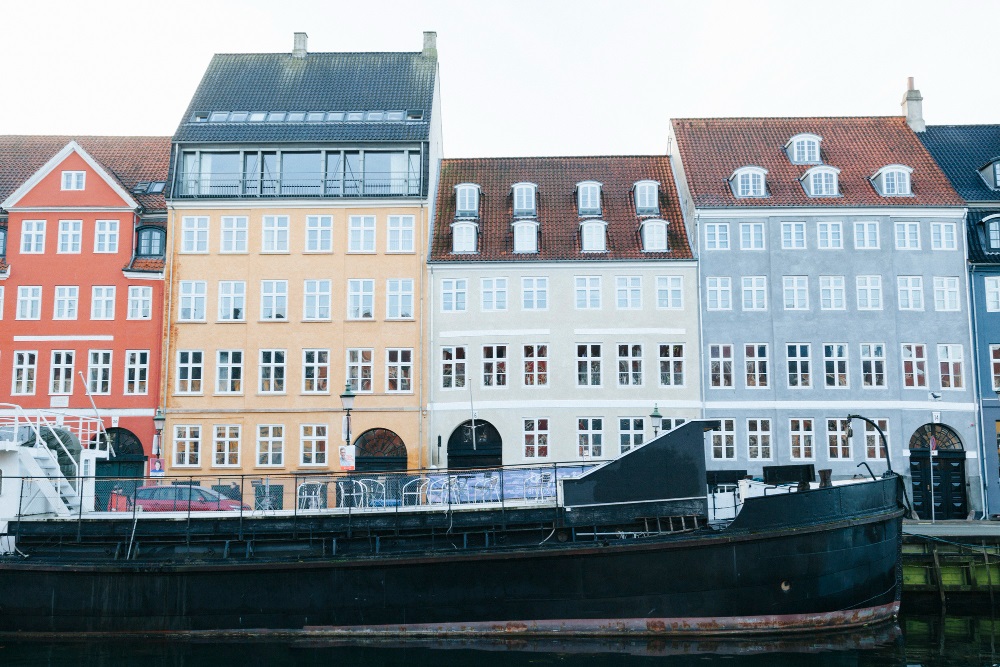
Riga: A Capital with Character and Contrasts
Riga is not merely the administrative centre of Latvia; it is the heartbeat of its property market. With a population of around 600,000, the city combines historic charm with modern infrastructure. Its UNESCO-listed Old Town, alongside one of Europe’s richest collections of Art Nouveau architecture, creates a distinctive urban environment that appeals to both residents and visitors.
The Riga property market can broadly be divided into three segments: the historic centre, Soviet-era apartment blocks, and new developments.
The historic centre, including areas such as Centrs and Vecrīga, commands premium prices. Renovated apartments in heritage buildings can exceed €3,000 per square metre, particularly if they feature high ceilings, original detailing and modern amenities. These properties are often sought after by international buyers and the short-term rental market, though regulatory changes around holiday lets have introduced additional considerations.
Soviet-era housing, by contrast, offers affordability. These apartments, typically located in districts such as Purvciems or Imanta, can be acquired for under €1,200 per square metre. While less visually appealing, they remain a staple of the local housing stock and provide steady rental yields.
New developments represent the most dynamic segment. Developers are increasingly focused on energy efficiency, smart home technology and community-oriented design. Prices for new-build apartments generally range from €2,000 to €3,500 per square metre, reflecting both higher construction costs and growing demand for modern living standards.
The Appeal of Coastal and Regional Markets
Beyond Riga, Latvia’s property landscape becomes more varied — and, in many cases, more affordable. Jurmala stands out as the country’s premier coastal destination. Stretching along the Baltic Sea, it offers sandy beaches, spa resorts and a tranquil atmosphere within easy reach of the capital.
Property prices in Jurmala can rival those in central Riga, particularly for seafront villas and luxury apartments. However, the market is smaller and more seasonal, with demand often influenced by tourism patterns.
Further afield, cities such as Liepāja and Ventspils provide opportunities for buyers seeking lower entry costs. These regions have benefited from targeted investment and infrastructure improvements, though they remain less liquid markets than Riga.
Rural property, including farmhouses and land, is available at significantly lower prices. In some cases, properties can be purchased for under €50,000. However, such investments require careful consideration of maintenance costs, accessibility and long-term demand.
Foreign Investment and Regulatory Landscape
Latvia has historically been open to foreign property ownership, with few restrictions for EU and non-EU buyers alike. This openness contributed to a surge in international investment during the early 2010s, particularly from buyers seeking residency rights.
However, the landscape has evolved. Changes to residency-by-investment programmes, along with enhanced due diligence requirements, have moderated foreign demand. Geopolitical considerations have also influenced buyer profiles, with a noticeable shift towards European and Nordic investors.
Despite these changes, Latvia remains an accessible market for international buyers. The purchasing process is relatively straightforward, involving notarised agreements and registration with the Land Register. Transaction costs typically range between 2 and 5 per cent of the purchase price, including legal fees, notary charges and registration costs.
Property taxes are comparatively low, generally between 0.2 and 1.5 per cent of the cadastral value. Rental income is subject to taxation, though rates are competitive within a European context.
Rental Yields and Investment Potential
For investors, Latvia offers a compelling yield profile. Gross rental yields in Riga typically range from 4 to 7 per cent, depending on location and property type. Smaller apartments in central areas tend to deliver the highest returns, driven by demand from young professionals, students and expatriates.
The rental market has been influenced by broader demographic trends, including urbanisation and a gradual increase in international mobility. Demand for quality rental accommodation has grown, particularly for properties that meet modern energy efficiency standards.
Short-term rentals, while potentially more lucrative, are subject to increasing regulation. Investors must ensure compliance with local rules, particularly in central Riga, where authorities have sought to balance tourism with residential needs.
Long-term rental demand remains stable, supported by a steady influx of students and workers, as well as a limited supply of high-quality housing.
Construction Trends and Sustainability
One of the defining features of Latvia’s property market is the growing emphasis on sustainability. EU regulations and rising energy costs have accelerated the shift towards energy-efficient construction. New developments are increasingly built to high environmental standards, incorporating insulation, renewable energy systems and smart technologies.
This trend is not merely regulatory; it is also market-driven. Buyers are becoming more conscious of operating costs, particularly in a climate where heating expenses can be significant. As a result, energy-efficient properties command a premium, both in terms of sale price and rental demand.
Renovation of existing housing stock is another key theme. Latvia’s older buildings, particularly those from the Soviet era, often require substantial upgrades. Government incentives and EU funding have supported renovation projects, improving both living standards and property values.
Risks and Considerations
No property market is without risk, and Latvia is no exception. Demographic trends pose a long-term challenge. The country has experienced population decline over the past decades, driven by low birth rates and emigration. While this trend has stabilised in recent years, it continues to influence housing demand, particularly outside major cities.
Geopolitical factors also warrant attention. Latvia’s proximity to Russia and its historical context can influence investor sentiment, particularly during periods of regional tension. However, its membership of the EU and NATO provides a degree of stability that mitigates these concerns.
Liquidity is another consideration. The Latvian property market is relatively small, and transactions can take longer than in larger European markets. Investors should adopt a medium- to long-term perspective, rather than seeking rapid capital appreciation.
Financing conditions, while stable, may be less accessible for non-resident buyers. Mortgage availability often depends on local income or substantial deposits, making cash purchases more common among international investors.
Comparative Value in a European Context
When viewed against the broader European property landscape, Latvia offers notable value. Prices remain significantly lower than in Western European capitals, while yields are often higher. This combination is increasingly attractive in a market where traditional investment destinations have become prohibitively expensive.
However, value must be weighed against scale and liquidity. Latvia is not a mass-market destination; it is a niche opportunity for informed buyers willing to engage with its particular characteristics.
For lifestyle buyers, the appeal lies in its quality of life. Latvia offers a blend of urban culture, natural beauty and relative affordability. Riga’s cultural scene, combined with easy access to forests, lakes and coastline, creates a compelling living environment.
The Outlook: Steady Rather Than Spectacular
Looking ahead, the Latvian property market is unlikely to deliver dramatic price surges. Instead, it is poised for steady, incremental growth, supported by economic stability and controlled supply. This may not capture headlines, but it offers a level of predictability that is increasingly rare.
Key drivers will include continued investment in infrastructure, the evolution of the technology sector, and the ongoing integration of Latvia within European economic networks. Housing supply, particularly in the modern segment, will remain a critical factor, as will the pace of renovation in older districts.
For investors and buyers, the message is clear: Latvia is not a market for speculation, but for considered, long-term engagement. Its strengths lie in its stability, affordability and gradual modernisation.
Conclusion: A Market Worth Serious Consideration
Latvia’s property market occupies a distinctive position within Europe. It is neither emerging in the traditional sense nor fully mature. Instead, it represents a market in transition — one that has learned from past excesses and is building a more sustainable future.
For international buyers, the opportunity lies in recognising this balance. With careful research, a clear understanding of local dynamics and a long-term perspective, Latvia offers a compelling addition to a diversified property portfolio.
It may not yet command the attention of mainstream investors, but that, arguably, is part of its appeal. In a world of crowded markets and compressed yields, Latvia stands as a quieter, more measured alternative — one that rewards patience and informed decision-making.
Financial Disclaimer: The information provided in this article is for general informational purposes only and does not constitute financial advice. While every effort has been made to ensure the accuracy of the content, market conditions may change, and unforeseen risks may arise. The author and publisher of this article do not accept liability for any losses or damages arising directly or indirectly from the use of the information contained herein.
Copyright: schengenproperty.com
Pictures by: www.magnific.com