Germany’s property market has long been regarded as one of Europe’s most stable, disciplined and structurally sound. For international investors, it has traditionally offered something distinct from more volatile southern European markets: steady yields, strong tenant demand and a legal framework that favours transparency over speculation.
Yet the landscape has shifted. What was once a market characterised by relentless upward pressure on prices—particularly in major cities—has entered a period of adjustment. Rising borrowing costs, inflationary pressures and a recalibration of investor expectations have reshaped the terrain. The result is not a collapse, but a cooling: a return to fundamentals after a decade of exuberance.
For global buyers assessing property for sale in Germany, the present environment presents a more complex, but arguably more rational, set of opportunities. Prices are no longer racing ahead of incomes, yields are beginning to stabilise and negotiation has re-entered the lexicon of transactions.
This is a market in transition—one that rewards careful analysis, regional understanding and a long-term perspective.
A National Market in Reset Mode
Germany’s property sector has undergone one of the most notable corrections among major European economies. Following years of rapid appreciation—driven by ultra-low interest rates and strong urban demand—values have softened across many regions.
The shift has been primarily driven by financing costs. Mortgage rates, once anchored at historically low levels, have risen sharply in response to broader monetary tightening across the eurozone. This has had a direct impact on affordability, particularly for domestic buyers, who form the backbone of the market.
Transaction volumes have declined significantly. Data from German property associations and notaries indicates a marked reduction in completed deals, particularly in the residential sector. Developers, too, have faced headwinds, with new construction slowing as financing costs rise and demand becomes more cautious.
However, the correction has been uneven. Prime assets in key cities have shown resilience, while secondary locations and older housing stock have experienced more pronounced price adjustments. On average, residential property prices have declined by mid to high single-digit percentages in many areas, with some markets seeing deeper corrections.
Importantly, Germany’s property market remains underpinned by strong structural factors: a large rental sector, robust legal protections and a chronic shortage of housing in major urban centres.
Berlin: From Boom to Recalibration
Berlin, once the poster child of Europe’s property boom, has entered a more reflective phase. After a decade of dramatic price increases, the city has seen values stabilise and, in some cases, decline modestly.
The capital’s appeal remains intact. As a political, cultural and economic hub, Berlin continues to attract both domestic migration and international talent. Demand for housing remains strong, particularly in central districts.
Average apartment prices, which had surged to over €5,000 per square metre in many areas, have softened slightly. Prime locations still command higher figures, particularly for renovated properties and new builds.
The rental market, however, remains tightly regulated. Rent controls, including the Mietpreisbremse (rent brake), limit increases in many areas. While a previous attempt to impose a stricter rent cap was overturned, the regulatory environment remains a key consideration for investors.
Yields in Berlin typically range between 2.5% and 4%, reflecting high demand but constrained rental growth. For many investors, the city’s appeal lies in long-term capital appreciation rather than immediate income.
Munich and Frankfurt: Wealth Anchors of the South and Finance
Munich continues to rank among Europe’s most expensive property markets. Its strong economy, driven by technology, automotive and finance sectors, supports high incomes and sustained demand.
Prices in Munich often exceed €8,000 to €10,000 per square metre, with prime properties commanding even higher premiums. While the market has cooled slightly, the city’s structural undersupply of housing continues to support values.
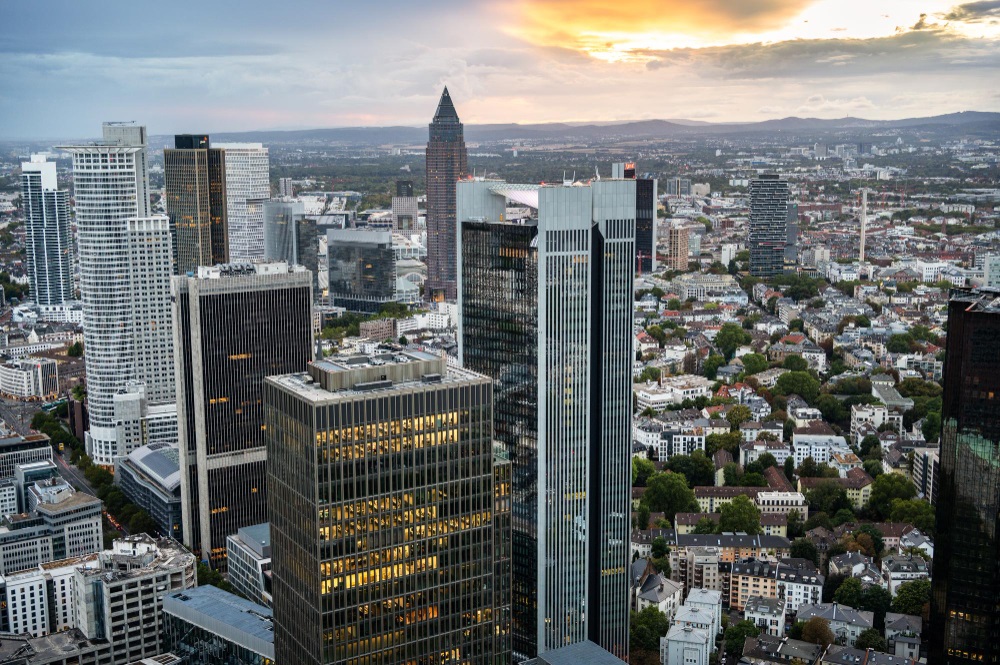
Frankfurt, Germany’s financial centre, presents a different dynamic. As home to the European Central Bank and a major banking hub, it attracts a highly international workforce. Property prices have risen steadily, though they remain below Munich’s levels, typically ranging between €5,000 and €7,500 per square metre.
Both cities offer relatively stable rental demand, driven by professional tenants. However, yields remain modest, generally between 2% and 4%, reflecting high entry prices.
Secondary Cities: Emerging Value and Growth Potential
Germany’s secondary cities have gained increasing attention from investors seeking better value and higher yields. Locations such as Leipzig, Dresden, Hamburg and Cologne offer a compelling mix of affordability, economic growth and quality of life.
Leipzig, in particular, has emerged as a standout performer. Once overlooked, it has benefited from strong population growth and a revitalised economy. Property prices remain significantly lower than in Berlin or Munich, often ranging between €2,500 and €4,000 per square metre.
Hamburg and Cologne, meanwhile, offer more established markets with strong rental demand. Prices in these cities typically fall between €4,000 and €7,000 per square metre, depending on location and property type.
Yields in secondary cities are generally higher, often reaching 4% to 6% in certain segments. This has attracted both domestic and international investors seeking income-generating assets.
The Rental Nation: Germany’s Unique Structure
Germany stands apart from many European countries in its high proportion of renters. More than half of the population rents rather than owns, creating a deep and stable rental market.
This structural characteristic provides a consistent source of demand for investors. However, it also comes with a regulatory framework designed to protect tenants.
Rent controls, long-term tenancy rights and restrictions on eviction are central features of the German system. While these measures enhance stability, they can limit rental growth and reduce flexibility for landlords.
Investors must therefore approach the market with a clear understanding of local regulations. Returns are typically steady rather than spectacular, reflecting the market’s emphasis on stability over rapid gains.
Costs and Taxes: Transparency with Regional Variation
The cost of purchasing property in Germany is relatively transparent, though it varies by federal state.
Transaction costs typically include:
- Property transfer tax (Grunderwerbsteuer): Ranging from 3.5% to 6.5% of the purchase price, depending on the state.
- Notary and land registry fees: Approximately 1.5% to 2%.
- Estate agent fees: Typically between 3% and 7%, often shared between buyer and seller.
In total, buyers should expect additional costs of around 7% to 12% of the purchase price.
Ongoing costs include property tax, maintenance and, where applicable, management fees. Rental income is subject to taxation, though various deductions may apply.
Germany does not impose restrictions on foreign buyers, making it an accessible market for international investors. However, financing conditions may differ for non-residents, with stricter lending criteria and higher deposit requirements.
Financing: The New Reality of Higher Rates
The shift in interest rates has been one of the most significant developments in Germany’s property market. Borrowing costs have risen substantially, reducing purchasing power and slowing demand.
German banks are known for their conservative lending practices. Deposits of at least 20% are typically required, and affordability assessments are rigorous.
Fixed-rate mortgages are common, often with terms of 10 to 20 years. This provides stability for borrowers but limits flexibility in a changing rate environment.
For international buyers, financing options depend on income, residency and currency considerations. Some investors opt to purchase with cash, taking advantage of reduced competition and increased negotiating power.
Supply Constraints and Construction Challenges
Germany faces a persistent housing shortage, particularly in major cities. Despite strong demand, new construction has struggled to keep pace.
Rising construction costs, labour shortages and regulatory hurdles have slowed development. Government targets for new housing have been difficult to achieve, exacerbating supply constraints.
This imbalance between supply and demand is a key factor supporting long-term property values. While prices may fluctuate in the short term, the underlying shortage of housing provides a structural foundation for the market.
Energy Efficiency and Regulation: A Market in Transition
Energy performance has become a central issue in Germany’s property sector. Stricter regulations aimed at reducing carbon emissions are reshaping the market, particularly for older properties.
Buildings with poor energy ratings may require significant investment to meet new standards. This has created a growing divide between modern, energy-efficient properties and older housing stock.
Renovation costs can be substantial, particularly for properties requiring insulation upgrades, new heating systems or compliance with environmental regulations. However, government incentives and subsidies are available to support these improvements.
For investors, energy efficiency is no longer a secondary consideration—it is a critical factor influencing both value and rental potential.
Currency and International Appeal
Germany’s position within the eurozone makes it an attractive destination for international investors seeking stability. The euro’s relative strength and the country’s economic resilience enhance its appeal as a safe-haven market.
Currency fluctuations can significantly impact purchasing power for buyers from outside the eurozone. Strategic timing and currency management are therefore important considerations.
International demand remains robust, particularly from European neighbours, North America and Asia. Germany’s reputation for legal certainty, economic strength and political stability continues to attract long-term investors.
Commercial Property: A Sector Under Pressure
While residential property has shown resilience, Germany’s commercial real estate sector has faced more significant challenges.
Office markets, in particular, have been affected by changing work patterns and rising vacancy rates. Retail properties have also experienced pressure, driven by the growth of e-commerce.
However, certain segments—such as logistics and residential portfolios—remain attractive. Investors are increasingly selective, focusing on assets with strong fundamentals and long-term viability.
Outlook: A Market of Discipline and Opportunity
Germany’s property market is unlikely to return to the rapid growth of the past decade. Instead, it is entering a phase defined by discipline, selectivity and steady performance.
For investors, this environment offers opportunities to acquire assets at more realistic valuations. The era of bidding wars and unchecked price growth has given way to a more balanced market.
Long-term fundamentals remain strong. A stable economy, a large rental sector and ongoing housing shortages provide a solid foundation. At the same time, regulatory changes and financing conditions require careful navigation.
This is not a market for speculative gains. It is a market for measured investment—one that rewards patience, due diligence and a clear understanding of local dynamics.
Conclusion: Germany’s Enduring Investment Case
Property for sale in Germany continues to hold significant appeal for international buyers. While the market has cooled from its previous highs, its core strengths remain intact.
Transparency, legal certainty and economic resilience are hallmarks of the German property sector. These attributes, combined with a disciplined approach to lending and regulation, create a market that prioritises stability over volatility.
For investors willing to engage with its complexities, Germany offers a compelling proposition: not rapid riches, but reliable returns and long-term value.
Financial Disclaimer: The information provided in this article is for general informational purposes only and does not constitute financial advice. While every effort has been made to ensure the accuracy of the content, market conditions may change, and unforeseen risks may arise. The author and publisher of this article do not accept liability for any losses or damages arising directly or indirectly from the use of the information contained herein.
Copyright: schengenproperty.com
Pictures by: www.magnific.com/