Author: David Walker

  • Property For Sale In Estonia

    Estonia rarely conforms to the expectations placed upon small European economies. It is a country that has built a global reputation not on scale, but on sophistication—digital governance, fiscal prudence and an outward-looking economic model that has attracted talent and capital in equal measure. In 2026, those same characteristics are shaping a property market that is both resilient and evolving.

    The past three years have tested Estonia’s housing sector. Inflation surged following the energy shocks of 2022, interest rates rose sharply across the eurozone, and growth slowed. Yet the correction that followed has been measured rather than severe. Prices have adjusted, demand has recalibrated, and the market is now finding a more sustainable footing.

    For international investors, Estonia offers a distinctive proposition within Europe. It is transparent, technologically advanced and comparatively accessible. At the same time, it is not immune to external pressures, nor is it a market where returns can be assumed without scrutiny. Property for sale in Estonia in 2026 sits at the intersection of opportunity and discipline.


    From Surge to Stability: The Market Rebalances

    The Estonian property boom of the late 2010s and early 2020s was driven by a combination of strong economic growth, rising incomes and exceptionally low borrowing costs. In Tallinn and other urban centres, prices climbed rapidly, supported by both domestic demand and international interest.

    The shift came swiftly. As the European Central Bank tightened monetary policy to combat inflation, mortgage rates rose across the eurozone. Estonia, fully integrated into the euro system, felt the effects immediately. Borrowing became more expensive, affordability weakened and transaction volumes declined.

    By 2024, the market had entered a phase of correction. Prices in some segments fell by 5 to 10 per cent, particularly for older properties and in less central locations. New-build developments proved more resilient, supported by energy efficiency standards and buyer preference for modern housing.

    In 2026, the picture is one of stabilisation. Inflation has eased back towards 2 to 3 per cent, interest rates have moderated, and confidence is gradually returning. Price growth has resumed in select areas, typically in the range of 2 to 4 per cent annually.

    This is not a return to the rapid appreciation of previous years. It is a transition towards a more balanced and sustainable market.


    Tallinn: A Capital Shaped by Technology and Constraint

    Tallinn, Estonia’s capital, dominates the property landscape. It is a city where medieval architecture coexists with a thriving technology sector, and where digital infrastructure underpins much of daily life.

    Property prices in Tallinn reflect both its economic vitality and its limited supply. In 2026, average apartment prices typically range between €3,500 and €6,500 per square metre, with prime locations in the Old Town and waterfront districts exceeding €7,000.

    Affordability remains a challenge, though less acute than in many Western European capitals. Rising wages in the technology and services sectors have supported demand, but higher interest rates have tempered borrowing capacity.

    The rental market is particularly strong. Demand is driven by a growing population of professionals, students and expatriates, many of whom are drawn to Estonia’s digital economy and business-friendly environment. Rental yields in Tallinn generally fall between 4 and 6 per cent, offering a more attractive income profile than many larger European cities.

    Supply constraints play a significant role. Planning regulations, combined with the preservation of historic areas, limit large-scale development in central locations. As a result, well-positioned properties tend to retain their value even during periods of market adjustment.


    Tartu and Regional Centres: Education, Innovation and Value

    Beyond Tallinn, Estonia’s property market becomes more nuanced.

    Tartu, the country’s second-largest city, is best known as a centre of education and research. Home to Estonia’s oldest university, it attracts a steady influx of students and academics. This creates a stable rental market, with yields often comparable to or slightly higher than those in Tallinn.

    Property prices in Tartu are more accessible, typically ranging from €2,500 to €4,500 per square metre. The city’s intellectual capital and growing technology sector contribute to its long-term appeal.

    Other regional centres, including Pärnu and Narva, offer lower entry points, with prices sometimes below €2,500 per square metre. These markets, however, are more sensitive to local economic conditions and demographic trends. Population shifts and employment patterns can have a pronounced impact on demand.

    For investors, the choice between Tallinn and regional cities is one of balance. The capital offers liquidity and stability, while smaller centres may provide higher yields but with greater variability.


    Foreign Buyers: Accessibility in a Digital State

    Estonia’s reputation as a digital-first nation extends to its property market. The country’s e-governance systems streamline many administrative processes, making transactions relatively efficient by European standards.

    Foreign ownership of property is generally permitted without significant restriction. Both EU and non-EU nationals can purchase real estate, though certain limitations apply to agricultural and forestry land.

    This openness has attracted international buyers, particularly from neighbouring Finland, Sweden and Latvia. Interest from investors in Germany and the United Kingdom has also been evident, drawn by Estonia’s economic dynamism and comparatively lower prices.

    One distinctive feature is Estonia’s e-Residency programme, which allows foreign entrepreneurs to establish and manage businesses remotely. While it does not confer residency rights, it has contributed to increased international engagement with the country’s economy, indirectly supporting property demand.

    In 2026, foreign buyers are returning to the market, though with greater caution than in previous years. The focus is on long-term value and income generation rather than short-term speculation.


    The Rental Market: Demand Supported by Demographics

    Estonia’s rental sector has strengthened in recent years, reflecting broader shifts in affordability and lifestyle preferences.

    In Tallinn, average rents typically range from €12 to €18 per square metre per month, depending on location and property type. Vacancy rates are relatively low, particularly for modern, energy-efficient apartments.

    Tartu and other cities offer slightly lower rental levels, but demand remains consistent, supported by student populations and local employment.

    Unlike some European markets, Estonia’s rental sector is less heavily regulated. This provides flexibility for landlords but also requires a clear understanding of tenant rights and contractual obligations.

    Short-term rentals, including those linked to tourism, have recovered following the pandemic, though they represent a smaller segment of the market compared to larger tourist destinations.

    For investors, the rental market offers a key source of return, particularly in a context where capital appreciation is expected to be moderate.

    Financing Conditions: Eurozone Influence

    As a member of the eurozone, Estonia’s monetary environment is shaped by the policies of the European Central Bank. This has significant implications for property financing.

    Mortgage rates, which rose sharply during the tightening cycle, have begun to ease in 2026. Typical rates now range between 3.5% and 4.5%, depending on borrower profile and loan structure.

    Lending standards are generally conservative. Loan-to-value ratios are commonly capped at around 85% for residents, with stricter conditions applied to non-residents. Income verification and affordability assessments are thorough.

    For foreign buyers, access to local financing may be limited without established ties to Estonia. As a result, many international investors rely on equity or financing from their home countries.

    The stabilisation of interest rates is expected to support market activity, though a return to the ultra-low rates of the past decade appears unlikely.


    Costs, Taxes and Transaction Framework

    One of Estonia’s strengths is the clarity and efficiency of its legal framework.

    Property transactions are conducted through a notary system, ensuring transparency and legal certainty. Ownership is recorded in the Land Register, providing a secure record of title.

    Transaction costs are relatively moderate compared to Western Europe. Buyers typically incur:

    Notary and legal fees of approximately 1% to 2% of the purchase price
    State fees for registration, generally modest
    Real estate agent fees, often around 2% to 3%, usually borne by the seller

    There is no annual property tax in the traditional sense. Instead, land tax is levied based on the value of the land, not the buildings. This results in relatively low holding costs.

    Capital gains tax may apply on the sale of investment properties, though exemptions exist for primary residences under certain conditions.

    These factors contribute to Estonia’s reputation as a transparent and investor-friendly market.


    Economic Foundations: Small but Agile

    Estonia’s economy is characterised by agility rather than scale. It has built a competitive advantage in digital services, technology and innovation, while maintaining strong fiscal discipline.

    Growth slowed in the wake of global economic pressures, but by 2026 it is expected to return to a modest trajectory of around 2% to 3%. Inflation has been brought under control, and unemployment remains relatively low.

    The country’s integration into the European Union and eurozone provides stability, though it also exposes Estonia to broader regional dynamics.

    Energy costs, a significant issue in recent years, have moderated, easing pressure on households and businesses.

    For the property market, these economic fundamentals provide a supportive backdrop, even if they do not guarantee rapid expansion.


    Risks: External Pressures and Market Size

    Estonia’s strengths are accompanied by certain vulnerabilities.

    As a small, open economy, it is sensitive to external shocks. Changes in European economic conditions, shifts in trade patterns or geopolitical developments can have a disproportionate impact.

    The property market itself is relatively small, which can affect liquidity. Transactions may take longer, and price movements can be more pronounced in response to changes in demand.

    Interest rates remain a key variable. While they have stabilised, any renewed inflationary pressure could lead to further increases.

    Demographic trends also warrant attention. Population growth is modest, and migration patterns can influence housing demand, particularly outside major urban centres.

    Investors must approach the market with a clear understanding of these factors.


    Outlook: Gradual Growth in a Digital Economy

    Looking ahead, the Estonian property market is likely to follow a path of steady, incremental growth.

    Tallinn will continue to dominate, supported by its economic strength and international appeal. Tartu and other cities will offer complementary opportunities, particularly for those seeking higher yields.

    The combination of digital innovation, transparent governance and integration into European structures positions Estonia favourably within the broader property landscape.

    However, expectations must remain grounded. This is not a market for rapid speculation. It is one for measured investment and long-term perspective.


    Conclusion: A Modern Market with Enduring Appeal

    Property for sale in Estonia in 2026 reflects the broader character of the country itself. It is efficient, forward-looking and grounded in strong institutional frameworks.

    For international buyers, it offers accessibility and transparency, coupled with the potential for stable returns. At the same time, it demands careful analysis and an appreciation of its scale and external dependencies.

    In a European context marked by uncertainty and adjustment, Estonia stands out not for dramatic opportunity, but for its quiet reliability. That, in the current climate, may be its greatest asset.


    Financial Disclaimer: The information provided in this article is for general informational purposes only and does not constitute financial advice. While every effort has been made to ensure the accuracy of the content, market conditions may change, and unforeseen risks may arise. The author and publisher of this article do not accept liability for any losses or damages arising directly or indirectly from the use of the information contained herein.

    Copyright: schengenproperty.com
    Pictures by: www.magnific.com/
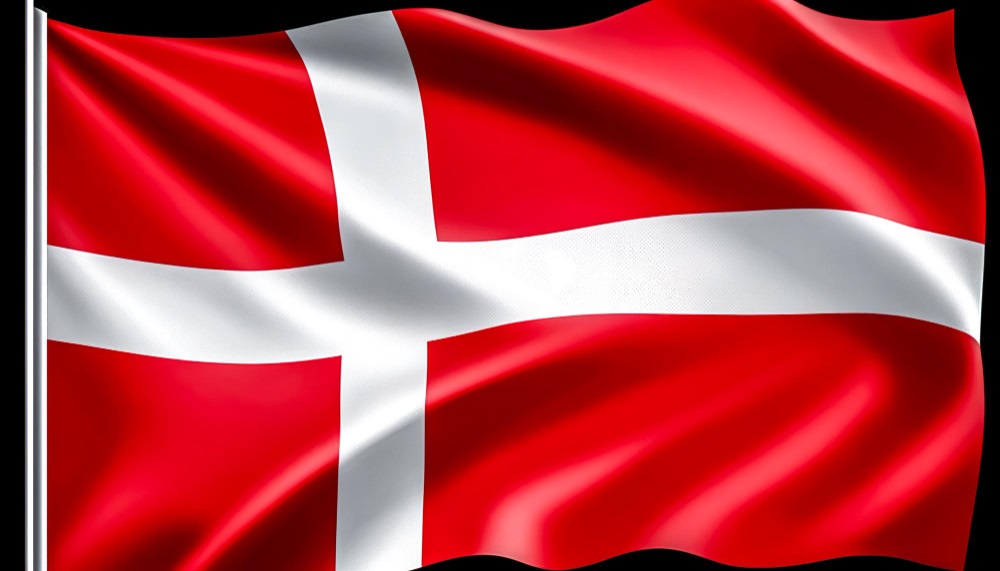
  • Property For Sale In Denmark

    Denmark does not shout for attention in the global property arena. It rarely produces the dramatic price surges of southern Europe or the cyclical volatility seen in larger Anglo-Saxon markets. Instead, it offers something both less exciting and, for many investors, far more valuable: consistency. In 2026, that quality has come back into sharper focus.

    After the turbulence that swept across European real estate between 2022 and 2024—fuelled by inflation, aggressive monetary tightening and a recalibration of asset values—Denmark’s housing market has emerged in relatively robust condition. Prices corrected, but not severely. Demand cooled, but did not collapse. Financing tightened, yet remained accessible within a disciplined framework.

    For international buyers, Denmark presents a distinctive proposition. It is not a low-cost market, nor is it an easy one to enter without preparation. Yet its transparency, economic resilience and high quality of life continue to underpin long-term demand. Property for sale in Denmark in 2026 is less about opportunism and more about strategic positioning.


    A Market Tempered by Monetary Discipline

    The Danish housing market, like much of Europe, felt the force of rising interest rates in the wake of post-pandemic inflation. Denmark’s central bank, closely aligned with the European Central Bank due to the krone’s peg to the euro, followed the broader tightening cycle.

    Mortgage rates, which had hovered at historically low levels for years, rose sharply through 2022 and into 2023. Fixed-rate loans moved from near 1% to above 5% in some cases. The impact was immediate. Transaction volumes fell, buyer confidence weakened, and price growth stalled.

    Yet Denmark’s long-established mortgage system—often regarded as one of the most stable in the world—played a crucial role in preventing systemic stress. The widespread use of fixed-rate loans and conservative lending standards meant that households were less exposed to sudden payment shocks than in more volatile markets.

    By late 2025 and into 2026, conditions began to stabilise. Inflation eased back towards 2–3%, and borrowing costs moderated slightly, with mortgage rates generally settling in the 3.5% to 4.5% range. This has allowed activity to resume, albeit at a measured pace.

    Prices, after a modest decline of around 5–10% in certain segments during the correction, are once again edging upwards, particularly in urban centres where supply remains constrained.


    Copenhagen: A Capital Defined by Scarcity

    Copenhagen sits at the centre of Denmark’s property landscape, both geographically and economically. It is a city shaped by water, design and careful planning, and these same characteristics impose strict limits on housing supply.

    In 2026, average apartment prices in Copenhagen typically range between €6,000 and €9,000 per square metre, with prime central districts exceeding €10,000. These figures place the Danish capital firmly within the upper tier of European property markets.

    Affordability is an ongoing concern. While Denmark enjoys relatively high average incomes, the gap between wages and property prices has widened over the past decade. This has moderated domestic demand at the upper end, but it has also reinforced the strength of the rental sector.

    Rental yields in Copenhagen are generally modest, often between 2.5% and 4%. This reflects high acquisition costs and a regulated rental environment. However, the city’s enduring appeal—driven by its strong economy, world-class infrastructure and international reputation—provides a degree of long-term security.

    Investors are not drawn to Copenhagen for rapid gains. They come for stability, liquidity and the assurance that demand is unlikely to evaporate.


    Beyond the Capital: Aarhus, Odense and Regional Dynamics

    While Copenhagen dominates, Denmark’s regional cities offer a more varied and, in some cases, more accessible entry point.

    Aarhus, the country’s second-largest city, has developed into a vibrant centre for education, culture and business. Property prices here are lower than in Copenhagen, typically ranging from €4,000 to €6,500 per square metre. The presence of a large student population and a growing professional workforce supports a healthy rental market, with yields often slightly higher than in the capital.

    Odense, undergoing significant redevelopment in recent years, presents another layer of opportunity. Prices are more modest, generally between €3,000 and €5,000 per square metre, reflecting both its smaller size and ongoing transformation.

    Further afield, smaller towns and rural areas offer considerably lower prices, sometimes below €2,500 per square metre. However, these markets are more sensitive to demographic trends, including population decline in certain regions. Investors must therefore approach them with a clear understanding of local demand.

    The Danish market is not homogeneous. It rewards selectivity and an appreciation of regional nuance.


    Foreign Ownership: Opportunity with Conditions

    Denmark is often perceived as an open and transparent market, and in many respects it is. However, property ownership by non-residents is subject to certain restrictions.

    Foreign buyers who are not residents of Denmark typically require permission from the Ministry of Justice to purchase property. This is particularly relevant for second homes and holiday properties. Permanent residence or a demonstrable connection to the country can ease the process, but it is not automatic.

    For EU citizens residing in Denmark, the process is more straightforward. Non-EU buyers may face additional scrutiny.

    These restrictions do not eliminate foreign investment, but they do shape it. International buyers tend to focus on long-term residency, relocation or corporate structures rather than purely speculative acquisitions.

    For those willing to navigate the administrative requirements, Denmark remains accessible. However, it is not a market for casual entry.


    The Rental Sector: Regulation and Resilience

    Denmark’s rental market is characterised by a high degree of regulation, reflecting the country’s broader commitment to social balance and housing accessibility.

    Rent controls apply in many areas, particularly for older properties. These regulations can limit rental increases and, in some cases, cap returns. Newer properties are subject to fewer restrictions, making them more attractive to investors seeking flexibility.

    Despite these constraints, demand for rental housing remains strong. High property prices, coupled with demographic trends such as urbanisation and a growing expatriate workforce, have sustained occupancy levels.

    In Copenhagen, average rents in 2026 typically range between €18 and €25 per square metre per month for well-located apartments. Aarhus and other cities offer slightly lower figures, though still robust by European standards.

    Institutional investors, including pension funds, play a significant role in the Danish rental market. Their presence contributes to stability but also intensifies competition for prime assets.


    Financing and Mortgage Structure

    Denmark’s mortgage system is frequently cited as one of the most sophisticated and resilient globally. It is based on a system of mortgage bonds, which align closely with individual loans and provide a high degree of transparency.

    In practical terms, this translates into:

    Borrowing limits typically up to 80% of property value for owner-occupied homes
    Lower limits for investment properties
    A wide choice between fixed-rate and adjustable-rate mortgages
    The ability to refinance efficiently as market conditions change

    In 2026, mortgage rates have moderated from their recent peak but remain above the ultra-low levels of the previous decade. Borrowers are increasingly opting for fixed-rate products, reflecting a preference for certainty.

    For foreign buyers, access to Danish mortgage financing may be more limited, particularly without local income or residency. As a result, many rely on equity or financing from their home country.

    The system’s conservatism is both a strength and a constraint. It reduces systemic risk, but it also limits rapid expansion.


    Transaction Costs and Taxation

    Denmark is not a low-cost market in terms of transaction expenses, and these must be factored into any investment decision.

    Typical costs include:

    A property registration fee of approximately 0.6% of the purchase price plus a fixed administrative charge
    Legal fees, often ranging from 1% to 2%
    Estate agency fees, typically paid by the seller but indirectly reflected in pricing

    Annual property taxes are relatively high compared to some European markets, though recent reforms have aimed to modernise and rebalance the system. These taxes are based on property value and location, and they can have a meaningful impact on holding costs.

    Capital gains tax may apply, particularly for investment properties, though exemptions exist for primary residences under certain conditions.

    Transparency in taxation is a hallmark of the Danish system, but it requires careful navigation.


    Economic Context: A Foundation of Stability

    Denmark’s broader economic environment remains one of its greatest strengths.

    The country consistently ranks among the most competitive and least corrupt economies globally. Its labour market is flexible, its workforce highly skilled, and its public finances well managed.

    GDP growth in 2026 is expected to be steady, in the region of 1.5% to 2.5%, reflecting a mature economy rather than a rapidly expanding one. Inflation has been brought under control, and unemployment remains low.

    Key sectors such as pharmaceuticals, renewable energy and shipping continue to perform strongly. Denmark’s leadership in green technology, in particular, is attracting international investment and supporting long-term economic prospects.

    These fundamentals provide a stable backdrop for the property market. They do not guarantee rapid growth, but they do reduce the likelihood of severe downturns.


    Supply Constraints and Urban Planning

    One of the defining features of the Danish property market is the constraint on supply, particularly in major cities.

    Urban planning in Denmark is deliberate and controlled. Development is carefully managed, with an emphasis on sustainability, liveability and architectural integrity. While this enhances the quality of the built environment, it also limits the pace at which new housing can be delivered.

    In Copenhagen, this constraint is particularly pronounced. Geographic limitations, combined with strict planning regulations, mean that new developments are often complex and time-consuming.

    The result is a structural imbalance between supply and demand. Even during periods of economic uncertainty, this imbalance helps to support property values.

    For investors, it reinforces the importance of location. Well-positioned assets in supply-constrained areas tend to retain their value more effectively.


    Risks and Considerations

    Despite its stability, the Danish property market is not without risk.

    Interest rates, while lower than their recent peak, remain a key variable. Any renewed inflationary pressure could lead to further tightening, with implications for both affordability and demand.

    Regulation, particularly in the rental sector, can limit flexibility and returns. Investors must understand the legal framework in detail.

    The high cost of entry is another factor. Denmark is not a market for bargain hunting. Capital requirements are significant, and yields are relatively modest.

    Currency considerations may also play a role for international buyers, although the Danish krone’s peg to the euro provides a degree of stability.

    Finally, demographic trends in certain regions, including population ageing and migration towards larger cities, can affect long-term demand.


    Outlook: Measured Growth in a Mature Market

    Looking ahead, the Danish property market in 2026 and beyond is likely to follow a path of gradual, measured growth.

    The era of ultra-low interest rates and rapid price appreciation has passed. In its place is a more balanced environment, characterised by steady demand, constrained supply and disciplined financing.

    Copenhagen will remain the focal point for both domestic and international investors, supported by its economic strength and global reputation. Regional cities such as Aarhus and Odense will continue to offer alternative opportunities, particularly for those seeking slightly higher yields.

    For international buyers, Denmark represents a particular kind of investment. It is not about chasing high returns or short-term gains. It is about placing capital in a market that prioritises stability, transparency and long-term value.


    Conclusion: A Market Defined by Confidence, Not Hype

    Property for sale in Denmark in 2026 reflects a broader truth about the country itself. It is measured rather than exuberant, structured rather than speculative, and quietly confident in its foundations.

    In a European landscape still adjusting to economic change, that confidence carries weight. Investors may not find dramatic bargains or rapid appreciation, but they will find a market that behaves predictably, governed by clear rules and supported by strong institutions.

    For those prepared to accept its constraints, Denmark offers something increasingly rare in global real estate: a sense of calm.


    Financial Disclaimer: The information provided in this article is for general informational purposes only and does not constitute financial advice. While every effort has been made to ensure the accuracy of the content, market conditions may change, and unforeseen risks may arise. The author and publisher of this article do not accept liability for any losses or damages arising directly or indirectly from the use of the information contained herein.

    Copyright: schengenproperty.com
    Pictures by: www.magnific.com/
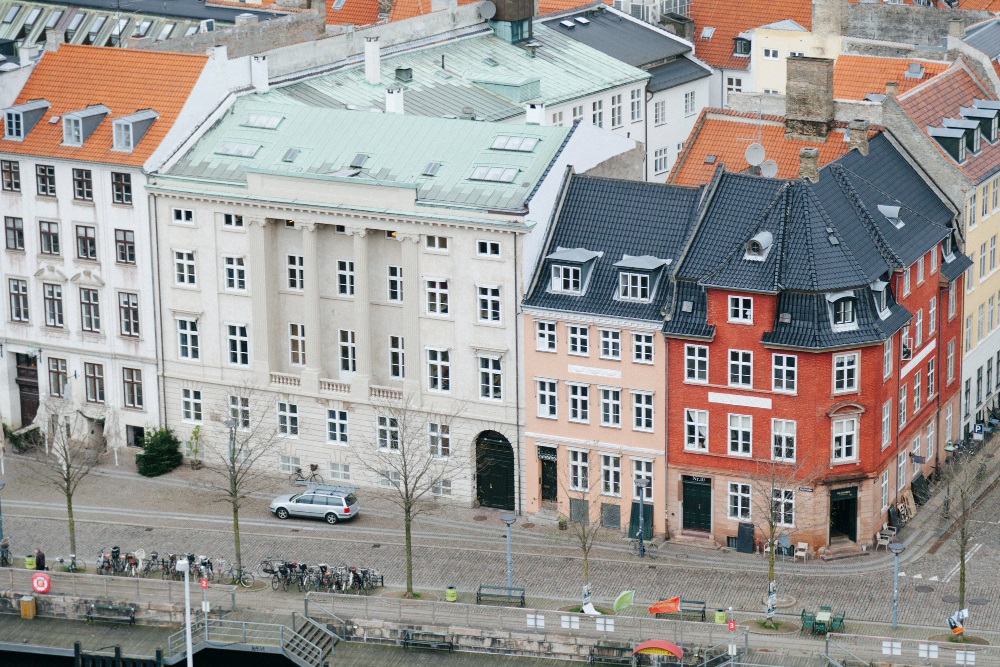
  • Property For Sale In Czech Republic

    There is a particular rhythm to Central European property markets. They seldom crash in theatrical fashion, nor do they surge with the speculative abandon seen in more excitable corners of the globe. Instead, they tighten, loosen and recalibrate in response to monetary discipline, industrial output and demographic drift. The Czech Republic, sitting at the commercial crossroads of the continent, exemplifies this rhythm with unusual clarity in 2026.

    After a period of excess, correction and uncertainty, the Czech property market is rediscovering its footing. Inflation, once running at levels not witnessed in decades, has been brought under control. Interest rates, though still elevated by historical standards, have edged down from their peak. Confidence—tentative, measured, but unmistakable—is returning.

    For international buyers scanning Europe for stability rather than spectacle, the Czech Republic now presents a proposition that is both familiar and subtly altered. It is still a market of strong legal frameworks, dependable infrastructure and a highly skilled workforce. But it is no longer a place where price growth can be taken for granted. The emphasis has shifted from momentum to judgement.


    A Period of Adjustment, Not Decline

    To understand the present, one must revisit the excesses of the recent past. Between 2018 and 2022, the Czech housing market experienced a remarkable expansion. Cheap credit, rising wages and constrained supply drove prices sharply upwards, particularly in Prague. In some districts, values climbed by more than 40% in just four years.

    The reversal, when it came, was driven less by domestic weakness than by global monetary tightening. As central banks across Europe moved to contain inflation, borrowing costs rose swiftly. The Czech National Bank was among the more assertive institutions, pushing rates to levels that cooled mortgage lending almost overnight.

    Transaction volumes fell. Developers paused projects. Buyers, both domestic and foreign, adopted a wait-and-see approach.

    Yet the feared collapse never materialised. By late 2025, prices had softened rather than plunged. In 2026, the prevailing picture is one of stabilisation. Residential values in prime areas are edging upwards again, typically by 2 to 4 per cent annually, while secondary locations are finding their own equilibrium.

    This is a market that has corrected without capitulating.


    Prague: Expensive, Enduring, Unavoidable

    Any discussion of Czech property inevitably begins in Prague, and with good reason. The capital is not merely the political and cultural heart of the country; it is also its principal economic engine and the focal point for international investment.

    Prices here remain formidable. In central districts, apartments commonly command between €5,500 and €8,500 per square metre, with exceptional properties in historic quarters exceeding €10,000. Such figures place Prague firmly within the upper tier of European cities, though still below the peaks of Paris or London.

    Affordability, however, remains strained. Local wages have not kept pace with the rapid appreciation of the past decade, leaving many residents priced out of ownership. This has had a dual effect. On one hand, it has suppressed domestic demand at the higher end of the market. On the other, it has strengthened the rental sector, as would-be buyers turn to long-term leasing.

    For investors, Prague offers a particular kind of appeal. Rental yields are modest, generally in the region of 3 to 4 per cent, but the city’s structural constraints—limited land availability, strict planning controls and heritage protections—provide a measure of downside protection. It is, in essence, a market for capital preservation rather than rapid gain.


    Brno, Plzeň and the Quiet Expansion Beyond the Capital

    Beyond Prague, the Czech Republic reveals a more varied and, in some respects, more intriguing landscape.

    Brno, the country’s second city, has undergone a transformation that has not gone unnoticed by investors. Once regarded primarily as an industrial centre, it has evolved into a hub for technology, research and higher education. Its universities attract a steady influx of students, while its growing start-up ecosystem has drawn young professionals from across the region.

    Property prices in Brno, typically ranging from €3,500 to €5,000 per square metre, offer a clear discount to Prague. Rental yields are correspondingly higher, often approaching 5 per cent. The city’s proximity to Vienna and Bratislava adds a further dimension, positioning it within a broader Central European economic corridor.

    Further afield, cities such as Plzeň and Ostrava present a different profile. Prices are markedly lower—often between €2,000 and €4,000 per square metre—reflecting local economic conditions. These are not markets for the faint-hearted, but they do offer potential for yield-driven investment, particularly as infrastructure improvements and industrial redevelopment take hold.

    The narrative here is not one of uniform growth, but of selective opportunity.


    Foreign Buyers Return, Though with Greater Caution

    Foreign interest in Czech property has never disappeared, but it has evolved. In the years of rapid expansion, international buyers were often motivated by capital appreciation. Today, the calculus is more measured.

    Investors from Germany, Austria and neighbouring Slovakia remain active, drawn by geographic proximity and economic familiarity. There is also a noticeable uptick in interest from the Middle East and parts of Asia, reflecting broader shifts in global capital flows.

    British buyers, adapting to the post-Brexit landscape, continue to participate, albeit with a greater reliance on cash purchases or corporate structures within the European Union.

    The relative weakness of the Czech koruna has added to the country’s appeal. For euro- and dollar-based investors, this translates into a more favourable entry point. Yet currency advantage alone is rarely decisive. What matters more is the perception of stability, and on that front the Czech Republic continues to perform well.

    Foreign buyers are, however, more discerning than before. The emphasis has shifted towards income-generating assets and locations with clear long-term prospects.


    The Rental Market: Strength Beneath the Surface

    If the sales market has cooled and stabilised, the rental sector has done the opposite. Demand remains robust, driven by a combination of affordability constraints and demographic trends.

    In Prague, average rents now range between €15 and €20 per square metre per month, with prime locations commanding higher figures. Vacancy rates are low, and competition for well-located properties can be intense.

    This strength is not confined to the capital. Brno and other regional cities are also experiencing sustained rental demand, supported by student populations and expanding service sectors.

    Short-term rentals, particularly those linked to tourism, have rebounded as travel has normalised. However, they are increasingly subject to regulatory oversight. Municipal authorities in Prague have introduced measures designed to limit the proliferation of short-term lets in residential buildings, reflecting concerns about housing availability and community cohesion.

    For investors, the message is clear. The rental market offers opportunity, but it requires careful navigation of an evolving regulatory environment.


    Financing: A More Disciplined Landscape

    The era of ultra-cheap credit has receded, and with it a certain casualness in borrowing.

    Mortgage rates in the Czech Republic, having peaked above 6 per cent, have settled into the 4 to 5 per cent range in 2026. This represents a meaningful improvement, but it is still a far cry from the sub-2 per cent rates that fuelled the earlier boom.

    Lending standards remain tight. Loan-to-value ratios are typically capped at around 80 per cent for residents, with stricter criteria applied to non-residents. Income verification and affordability assessments are more rigorous than in the past.

    For many international buyers, particularly those from outside the European Union, local financing can be challenging. Cash purchases are therefore more common, or alternatively, financing is arranged in the buyer’s home jurisdiction.

    This more disciplined lending environment has contributed to market stability. It has also reduced the likelihood of speculative excess.


    Costs, Taxes and the Practicalities of Ownership

    One of the Czech Republic’s enduring advantages is its relatively straightforward transaction framework.

    The abolition of property transfer tax in 2020 significantly reduced acquisition costs, making entry into the market more accessible. Buyers must still account for legal fees, typically in the range of 1 to 2 per cent of the purchase price, as well as estate agency commissions, which can reach 3 to 5 per cent.

    Annual property taxes are modest by Western European standards, often amounting to a few hundred euros for a standard apartment.

    Ownership rights are clearly defined and recorded in the national Land Registry, providing a high degree of security. The legal process, while requiring due diligence, is transparent and well established.

    For international investors, these factors contribute to a sense of predictability that is not always present in other emerging markets.


    Economic Foundations: Quiet Strength

    Property markets do not exist in isolation. They are, ultimately, reflections of broader economic conditions.

    Here, the Czech Republic offers a reassuring backdrop. Its economy is diverse and export-oriented, with strong links to Germany and the wider European Union. Manufacturing remains a cornerstone, particularly in the automotive and engineering sectors, while services and technology are playing an increasingly prominent role.

    Growth in 2026 is expected to be steady, in the region of 2 to 3 per cent. Unemployment is low, and wage growth, though moderating, continues to support household incomes.

    Infrastructure investment, particularly in transport and logistics, is ongoing. Rail modernisation and motorway expansion are improving connectivity, both within the country and across its borders.

    These are not the conditions of a market on the brink of exuberance, but they are those of a market grounded in economic reality.


    Risks: The Unavoidable Counterweight

    No assessment would be complete without acknowledging the risks.

    Interest rates, though lower than their recent peak, remain elevated. A resurgence of inflation could prompt further tightening, with implications for both borrowing costs and property demand.

    Affordability, particularly in Prague, is a structural issue that will not be resolved quickly. It may act as a constraint on future price growth.

    Regulation, especially in the rental sector, is evolving. Investors must remain alert to changes that could affect returns.

    Currency movements also warrant attention. For foreign buyers, fluctuations in the koruna can influence both entry costs and eventual returns.

    Finally, there is the broader geopolitical context. While the Czech Republic itself is stable, it operates within a region that is not immune to external shocks.


    A Market for the Patient Investor

    The Czech property market in 2026 is neither exuberant nor distressed. It is something more subtle: a market in balance.

    For investors seeking rapid gains, it may appear unremarkable. But for those with a longer horizon, it offers a combination of stability, transparency and moderate growth that is increasingly rare.

    Prague will continue to attract capital, even at elevated prices, because it offers something beyond yield: a sense of permanence. Brno and other regional centres will draw those willing to accept greater variability in exchange for higher returns.

    The days of easy profits are gone. In their place is a more mature environment, one that rewards careful analysis and disciplined decision-making.

    In a Europe still adjusting to economic and political change, that may prove to be its greatest strength.


    Financial Disclaimer: The information provided in this article is for general informational purposes only and does not constitute financial advice. While every effort has been made to ensure the accuracy of the content, market conditions may change, and unforeseen risks may arise. The author and publisher of this article do not accept liability for any losses or damages arising directly or indirectly from the use of the information contained herein.

    Copyright: schengenproperty.com
    Pictures by: www.magnific.com/

  • Property For Sale In Croatia

    The Croatian property market, long admired for its Adriatic charm and relative affordability, has entered a more mature and strategically significant phase in 2026. No longer merely a lifestyle purchase for holidaymakers, Croatia is now firmly positioned as a serious European investment destination. Its accession to the eurozone and Schengen Area in recent years has reshaped both accessibility and perception, drawing in a broader spectrum of international buyers—from institutional investors to digitally mobile professionals seeking stable, scenic bases within the European Union.

    For those considering property for sale in Croatia, the landscape today is markedly different from the opportunistic buying conditions of a decade ago. Prices have risen, regulations have tightened, and demand has diversified. Yet, for all these shifts, Croatia continues to offer a compelling mix of capital growth potential, lifestyle appeal, and relative value compared to Western European markets.


    A Market Transformed: Croatia’s Post-Euro Evolution

    The adoption of the euro has been a defining moment for Croatia’s property sector. Currency risk, once a key concern for overseas buyers, has largely been eliminated. This has brought greater transparency to pricing and has aligned Croatia more closely with established eurozone markets such as Portugal and Spain.

    In 2026, average property prices across Croatia have risen by approximately 8–12% year-on-year in key coastal regions, according to aggregated data from European housing reports and regional estate agencies. Prime coastal locations—particularly along the Dalmatian coast—have seen even sharper increases, with some micro-markets registering growth exceeding 15%.

    Zagreb, the capital, presents a different narrative. Here, the market is driven less by tourism and more by domestic demand, business activity, and a growing technology sector. Prices in Zagreb have stabilised somewhat after rapid growth in the early 2020s, but rental yields remain attractive, particularly for long-term lets.

    What distinguishes Croatia in 2026 is not just price movement but market confidence. International investors increasingly view the country as a safe haven within Southern Europe—politically stable, economically improving, and geographically well-positioned.


    Coastal Appeal: The Adriatic Premium

    Croatia’s coastline, stretching over 1,700 kilometres and dotted with more than a thousand islands, remains the jewel in its property crown. Demand for seafront villas, stone houses, and modern apartments continues to outstrip supply in many areas.

    The cities of Split and Dubrovnik dominate headlines, but it is the secondary coastal towns—such as Šibenik, Zadar, and Makarska—that are attracting growing attention from savvy investors. These locations offer lower entry prices while benefiting from improved infrastructure and increasing tourism flows.

    In 2026, prime coastal property prices range broadly:

    • Apartments: €3,500 to €7,500 per square metre
    • Villas: €500,000 to €3 million+, depending on location and sea proximity

    Island properties, once considered niche, are now firmly in the mainstream. Islands such as Hvar and Brač command premium prices, while lesser-known islands offer opportunities for value-driven buyers willing to accept slightly reduced accessibility.

    However, scarcity is becoming a defining factor. Strict planning laws and limited coastal development zones mean that new supply is constrained. This structural limitation underpins long-term price resilience but also raises barriers to entry for first-time buyers.


    Zagreb and the Inland Story: A Market of Substance

    While the coastline captures imagination, Croatia’s inland property market tells a story of substance and stability. Zagreb, with a population exceeding 800,000, remains the economic heart of the country.

    In 2026, average apartment prices in Zagreb sit between €2,500 and €4,000 per square metre, depending on district and property condition. Compared to other European capitals, this remains competitive.

    Rental yields in Zagreb typically range from 4% to 6%, supported by steady demand from students, professionals, and expatriates. The city’s growing reputation as a regional tech and business hub has strengthened its appeal.

    Beyond Zagreb, inland regions such as Slavonia offer significantly lower property prices—often below €1,500 per square metre—but come with weaker liquidity and limited rental demand. These areas are better suited to lifestyle buyers or long-term speculative investors rather than those seeking immediate returns.


    Legal Framework and Buying Process in 2026

    Croatia’s property purchase process has become more streamlined, particularly for EU citizens, who can buy property under the same conditions as locals. Non-EU buyers can also purchase, but the process involves reciprocity agreements and Ministry of Justice approval, which can extend timelines.

    The typical buying process includes:

    • Reservation and preliminary contract
    • Due diligence (including land registry checks)
    • Final contract signing before a notary
    • Registration of ownership

    Transaction costs generally range from 3% to 6% of the purchase price, including legal fees, notary costs, and registration charges. There is no property transfer tax on new builds (subject to VAT), but resale properties attract a transfer tax of 3%.

    One notable development in 2026 is the increased digitisation of land registries and administrative procedures, reducing delays that historically plagued transactions.


    Taxation and Ongoing Costs

    Understanding the tax environment is crucial for international buyers. Croatia’s tax system is relatively straightforward but requires careful navigation.

    Key considerations include:

    • Property Transfer Tax: 3% on resale properties
    • VAT: 25% on new builds (usually included in the purchase price)
    • Rental Income Tax: Typically 10–12%, depending on structure
    • Capital Gains Tax: Applicable if property is sold within two years of purchase

    Annual property taxes remain modest compared to Western Europe, although local authorities have begun exploring revisions to increase municipal revenues.

    Utility costs, maintenance, and management fees are generally lower than in countries such as France or Italy, adding to Croatia’s appeal as a cost-efficient ownership destination.


    Tourism, Short-Term Lets and Yield Potential

    Tourism remains the backbone of Croatia’s property investment case. The country welcomed over 20 million visitors annually prior to the pandemic, and by 2026, visitor numbers have not only recovered but exceeded previous peaks.

    Short-term rental platforms dominate the coastal market, with yields varying significantly depending on location, property type, and management quality.

    Typical gross yields in 2026:

    • Prime coastal areas: 5% to 8%
    • Secondary coastal towns: 6% to 10%
    • Zagreb (long-term lets): 4% to 6%

    However, regulation is tightening. Local authorities have introduced stricter licensing requirements for short-term rentals in certain high-demand areas to manage over-tourism and housing availability.

    Investors must therefore balance yield potential with regulatory risk, particularly in hotspots such as Dubrovnik.


    Infrastructure and Connectivity: A Quiet Revolution

    Croatia’s infrastructure has undergone significant improvements over the past decade. Modern motorways connect major cities, while airports in Split, Dubrovnik, and Zagreb offer extensive international routes.

    In 2026, continued investment in transport and digital infrastructure is enhancing accessibility, particularly to previously overlooked regions. High-speed internet availability across much of the country has also made Croatia an attractive base for remote workers and digital nomads.

    The government’s introduction of a digital nomad visa has further strengthened this trend, creating a new category of property demand—long-stay renters seeking quality accommodation in lifestyle-driven locations.


    Risks and Realities: A Market Not Without Challenges

    Despite its many attractions, the Croatian property market is not without risks.

    Liquidity can be limited in certain areas, particularly inland and on less accessible islands. Selling a property quickly may prove challenging outside prime locations.

    Construction quality varies, especially in older properties. Buyers must undertake thorough due diligence to avoid costly surprises.

    Regulatory changes, particularly around short-term rentals, could impact yield projections. Additionally, rising property prices have begun to test affordability for local buyers, raising the possibility of future policy interventions.

    Finally, while Croatia’s economy is growing, it remains smaller and less diversified than those of larger EU nations. External economic shocks can therefore have a more pronounced impact.


    Sustainability and the Future of Development

    Environmental considerations are increasingly shaping Croatia’s property market. Coastal preservation laws are strict, limiting overdevelopment and protecting natural landscapes.

    In 2026, there is a growing emphasis on sustainable construction, energy efficiency, and eco-tourism. New developments increasingly incorporate green technologies, reflecting both regulatory requirements and buyer preferences.

    This shift is likely to influence long-term property values, with energy-efficient homes commanding premium prices.


    Who is Buying in 2026? A Changing Demographic

    The profile of buyers in Croatia has evolved significantly.

    While British, German, and Austrian buyers remain prominent, there is a noticeable increase in interest from:

    • Scandinavian investors
    • Central and Eastern European buyers
    • Remote-working professionals from across the EU
    • Institutional investors targeting tourism assets

    This diversification of demand adds resilience to the market but also intensifies competition in prime locations.


    Strategic Outlook: Where Next for Croatian Property?

    Looking ahead, the Croatian property market appears set for continued growth, albeit at a more measured pace than in recent years.

    Key drivers include:

    • Continued tourism expansion
    • Infrastructure investment
    • EU integration benefits
    • Limited supply in prime coastal areas

    However, the era of rapid, speculative gains is likely behind us. The market is entering a phase of consolidation, where careful selection and long-term strategy will determine success.

    For international buyers, Croatia offers a compelling proposition: a blend of lifestyle and investment, underpinned by improving fundamentals and enduring global appeal.


    Conclusion: A Market of Opportunity and Discipline

    Property for sale in Croatia in 2026 presents both opportunity and complexity. The days of bargain hunting along the Adriatic are largely over, replaced by a more sophisticated market requiring informed decision-making.

    Yet, for those willing to navigate its nuances, Croatia remains one of Europe’s most attractive property destinations. Its combination of natural beauty, economic progress, and strategic positioning within the EU ensures that it will continue to draw international attention.

    The key, as always, lies in approach: thorough research, professional guidance, and a clear understanding of both risks and rewards.


    Financial Disclaimer: The information provided in this article is for general informational purposes only and does not constitute financial advice. While every effort has been made to ensure the accuracy of the content, market conditions may change, and unforeseen risks may arise. The author and publisher of this article do not accept liability for any losses or damages arising directly or indirectly from the use of the information contained herein.

    Copyright: schengenproperty.com
    Pictures by: www.magnific.com/
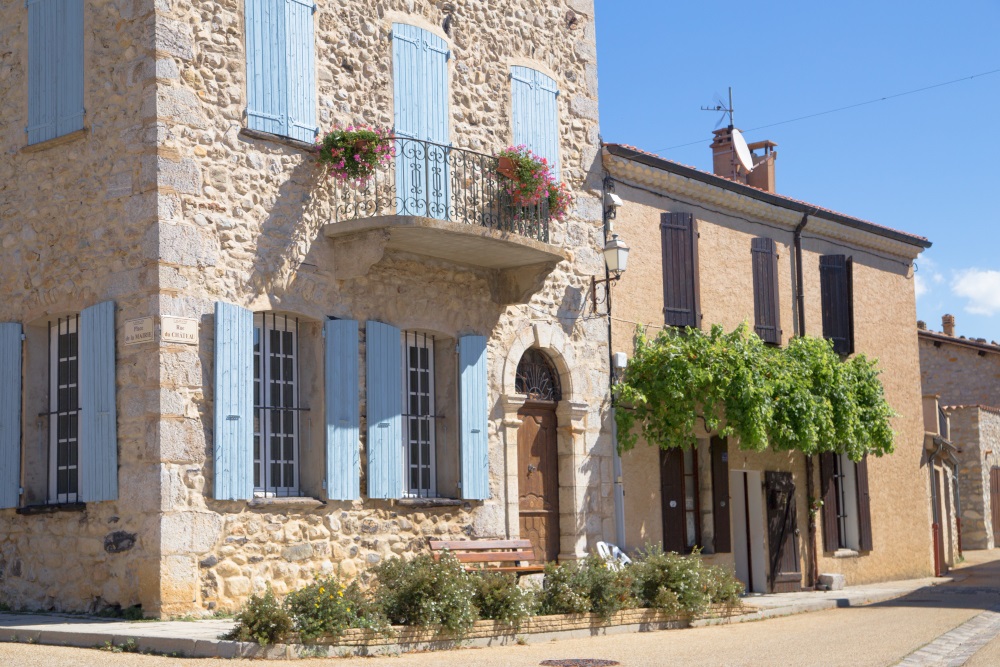
  • Property For Sale In Bulgaria

    There are moments in European property cycles when a market quietly shifts from the margins to the mainstream. In 2026, Bulgaria is edging into that territory. Long dismissed as a low-cost outpost on the European Union’s periphery, it is now being reconsidered by international buyers with sharper eyes for yield, diversification and lifestyle arbitrage.

    The country’s appeal has always been rooted in its simplicity: low entry prices, favourable taxation and a cost of living that remains well below Western European benchmarks. What has changed is the context. Inflation shocks across the eurozone, rising borrowing costs in the UK and a persistent shortage of affordable housing in major cities have redirected investor attention toward emerging European markets. Bulgaria, with its stable currency peg and EU membership, is increasingly difficult to ignore.

    Yet, as with any property story, the reality is layered. Beneath the headline affordability lies a market undergoing structural change—tightening supply in urban centres, evolving demand from foreign buyers and a government cautiously navigating economic convergence with the rest of Europe. For those considering property for sale in Bulgaria, the opportunity is real, but it is no longer quite the bargain-basement narrative of the early 2000s.


    A Market Repriced, Not Overpriced

    The Bulgarian property market has entered a phase of recalibration rather than exuberance. After a post-pandemic surge—driven by pent-up demand, remote working trends and cheap credit—prices in key urban areas such as Sofia, Plovdiv and Varna have continued to rise into 2025 and early 2026, albeit at a more measured pace.

    Average residential prices in Sofia now hover between €1,600 and €2,200 per square metre, depending on location and build quality. Prime districts can exceed €2,500 per square metre, a level that would have seemed improbable a decade ago. In secondary cities, values remain more modest, typically ranging from €900 to €1,400 per square metre.

    For international buyers, the comparison remains striking. Even at current levels, Bulgaria undercuts most Central and Eastern European markets. In Prague or Warsaw, prime residential prices can easily double those seen in Sofia. Against London or Paris, the gap becomes almost immeasurable.

    However, affordability alone does not define a market’s trajectory. What matters is the direction of travel. Bulgaria’s steady price growth—generally between 8% and 12% annually in recent years—reflects a tightening supply-demand balance rather than speculative excess. New construction has struggled to keep pace with urbanisation, particularly in Sofia, where planning constraints and labour shortages have slowed development pipelines.


    The Foreign Buyer Returns—But with Different Priorities

    Foreign demand has long played a role in Bulgaria’s property cycle, though it has evolved significantly since the mid-2000s boom, when British buyers dominated the coastal and ski resort markets.

    In 2026, the profile of the international purchaser is more diverse and, crucially, more strategic. Investors from Germany, the Netherlands and Scandinavia are increasingly active, attracted by rental yields that can exceed 5–7% in urban centres. Meanwhile, buyers from Israel and parts of Asia are entering the market, drawn by Bulgaria’s EU status and relatively straightforward property acquisition process.

    British buyers remain present, but their motivations have shifted. Post-Brexit, Bulgaria offers a combination of affordability and access to a European lifestyle, albeit with residency considerations that require careful navigation. Holiday homes on the Black Sea coast and in ski resorts such as Bansko continue to attract interest, though investors are now more cautious, focusing on year-round rental potential rather than purely seasonal returns.

    This change in buyer behaviour has had a stabilising effect. The speculative off-plan purchases that once inflated resort markets have largely been replaced by income-focused acquisitions in urban areas. The result is a market less prone to dramatic swings, though not immune to external shocks.


    Yields That Still Make the Numbers Work

    Perhaps the most compelling argument for investing in Bulgarian property lies in its rental dynamics. While Western European markets have seen yields compressed by high capital values, Bulgaria continues to offer relatively strong returns.

    In Sofia, gross rental yields typically range between 5% and 6.5%, with smaller apartments in central locations often achieving the upper end of that spectrum. Student demand, a growing technology sector and an expanding expatriate community underpin consistent occupancy rates.

    In Plovdiv and Varna, yields can be slightly higher, particularly where purchase prices remain lower but rental demand is robust. Coastal properties, meanwhile, present a more nuanced picture. While short-term holiday lets can generate attractive seasonal income, occupancy rates outside peak months can be unpredictable.

    For investors, the key is selectivity. Properties near universities, transport hubs and business districts tend to outperform. Energy efficiency is also becoming a differentiator, as rising utility costs influence tenant preferences.


    Financing, Currency and the Euro Question

    One of Bulgaria’s distinguishing features is its currency regime. The lev remains pegged to the euro, providing a degree of stability that is uncommon among emerging markets. This has long reassured foreign investors wary of currency volatility.

    However, 2026 has brought renewed focus on Bulgaria’s path toward euro adoption. While the timeline has been repeatedly delayed, progress toward meeting convergence criteria has intensified. Should Bulgaria join the eurozone in the coming years, the implications for the property market could be significant.

    Historically, euro adoption in countries such as Slovakia and the Baltic states has been accompanied by rising property values, driven by increased investor confidence and lower perceived risk. For Bulgaria, the prospect of euro membership adds a layer of strategic appeal, particularly for long-term investors.

    Mortgage availability has also improved. Interest rates, while higher than the ultra-low levels seen during the pandemic, remain competitive by European standards, typically ranging from 2.5% to 4% depending on borrower profile and loan terms. Foreign buyers can access financing, though requirements vary by lender and often involve higher deposit thresholds.


    Taxation: A Quiet Advantage

    Bulgaria’s tax regime is among the most attractive in Europe, and it continues to underpin its property appeal.

    The country operates a flat income tax rate of 10%, which applies to rental income. Capital gains tax is also set at 10%, though exemptions may apply depending on the nature and duration of ownership. Property taxes themselves are notably low, often amounting to just a few hundred euros per year for a typical apartment.

    Transaction costs are equally competitive. Buyers should expect to pay between 3% and 5% of the purchase price in total, including notary fees, registration charges and legal costs. Estate agent commissions are typically borne by the seller, though this can vary.

    For international investors accustomed to higher tax burdens in Western Europe, these figures represent a material advantage. However, compliance remains essential, particularly for non-resident owners with cross-border tax obligations.


    Regional Variations: A Market of Microclimates

    To speak of Bulgaria as a single property market is to oversimplify. The country’s regions exhibit distinct characteristics, each with its own risk-reward profile.

    Sofia, the capital, is the engine of growth. Its expanding technology sector, improving infrastructure and rising wages have created sustained housing demand. Prices are highest here, but so too is liquidity.

    Plovdiv, often described as Bulgaria’s cultural capital, has gained traction among both domestic and foreign buyers. Its relatively lower price point and growing economic base make it an attractive alternative to Sofia.

    Varna and Burgas, the principal Black Sea cities, combine urban living with coastal appeal. While seasonal fluctuations affect parts of these markets, well-located properties can deliver consistent rental income.

    In contrast, rural areas offer some of the lowest property prices in Europe, with houses available for under €30,000 in certain regions. While these opportunities may appeal to lifestyle buyers, they often come with challenges related to infrastructure, liquidity and resale potential.


    Risks in a Changing European Landscape

    No property market operates in isolation, and Bulgaria is no exception. The broader European economic environment continues to shape its trajectory.

    Inflation, while moderating, remains a concern. Rising construction costs have fed into property prices, while higher interest rates have tempered demand. Although Bulgaria has been less affected than some Western markets, it is not immune to these pressures.

    Demographics present another challenge. Bulgaria’s population has been declining for decades, driven by low birth rates and emigration. While urban centres continue to attract residents, rural depopulation remains a structural issue.

    Legal and administrative processes, though improved, can still be complex. Due diligence is essential, particularly in verifying property titles and ensuring compliance with zoning regulations.

    For foreign buyers, understanding residency rules post-Brexit is also critical. While property ownership itself is relatively straightforward, long-term stays may require additional documentation.


    The Lifestyle Dividend

    Beyond the financial metrics, Bulgaria offers a lifestyle proposition that continues to resonate with international buyers.

    The country’s climate varies from continental in the interior to Mediterranean along the southern regions, providing four distinct seasons. The Black Sea coastline offers sandy beaches, while mountain ranges such as the Balkans and Rila provide opportunities for skiing and hiking.

    Cost of living remains one of Bulgaria’s strongest selling points. Everyday expenses—from groceries to dining—are significantly lower than in Western Europe. This has made the country particularly attractive to retirees and remote workers seeking to stretch their income further.

    Healthcare and education standards have improved, though they can vary by region. Private healthcare options are widely available in major cities, offering reassurance to international residents.


    Supply Constraints and the Construction Question

    One of the less discussed aspects of Bulgaria’s property market is the supply side. While demand has grown, new construction has not always kept pace.

    Labour shortages, rising material costs and bureaucratic hurdles have slowed development in key urban areas. This has contributed to price growth, particularly for new-build properties that meet modern energy efficiency standards.

    Developers are increasingly focusing on quality rather than quantity, with a shift toward higher-specification projects aimed at both domestic and international buyers. This trend is likely to continue, reinforcing the bifurcation between older housing stock and newer developments.


    Outlook: Opportunity with Caveats

    Looking ahead, the Bulgarian property market appears set for steady, if unspectacular, growth. The era of rapid price appreciation seen in the early 2020s is likely to give way to a more balanced phase, characterised by moderate increases and greater differentiation between regions and property types.

    The potential adoption of the euro remains a key catalyst. Should it materialise within the next few years, it could trigger a renewed wave of investment, particularly from institutional players who have thus far remained on the sidelines.

    At the same time, global economic uncertainties—from geopolitical tensions to shifting interest rate policies—will continue to influence investor sentiment. Bulgaria’s relative affordability provides a cushion, but it does not render the market immune.

    For buyers, the message is clear: Bulgaria offers genuine value, but it requires careful navigation. The days of effortless gains are gone. In their place is a more mature market, where returns are driven by fundamentals rather than speculation.


    Conclusion: A Market Coming of Age

    Bulgaria’s property market in 2026 stands at an inflection point. No longer the overlooked bargain of Europe, it is emerging as a credible option for investors and lifestyle buyers alike.

    Its strengths—affordability, favourable taxation and improving infrastructure—remain intact. Its challenges—demographics, regional disparities and external economic pressures—are equally real.

    For those willing to engage with its complexities, Bulgaria offers a compelling proposition. It is not a market for the casual speculator, but for the informed buyer, it represents a rare combination of value and potential within the European landscape.

    In a continent where property has become increasingly expensive, Bulgaria reminds investors that opportunity still exists—albeit in places that require a little more attention, a little more patience and a willingness to look beyond the obvious.


    Financial Disclaimer: The information provided in this article is for general informational purposes only and does not constitute financial advice. While every effort has been made to ensure the accuracy of the content, market conditions may change, and unforeseen risks may arise. The author and publisher of this article do not accept liability for any losses or damages arising directly or indirectly from the use of the information contained herein.

    Copyright: schengenproperty.com
    Picture by: www.magnific.com/

  • Property for Sale in Belgium

    Belgium rarely dominates headlines in the global property conversation, yet in 2026 it is precisely this lack of drama that is drawing renewed interest. At a time when investors and homebuyers are navigating a European landscape shaped by higher borrowing costs, political uncertainty and recalibrating demand, Belgium presents itself as something increasingly valuable: a market defined by balance rather than excess.

    This is not a country that experienced runaway price inflation during the era of ultra-low interest rates, nor is it one now grappling with sharp corrections. Instead, Belgium’s housing market has adjusted with a degree of composure that reflects its underlying economic structure. Prices continue to edge forward, demand remains grounded in real need rather than speculation, and regulatory frameworks provide a level of transparency that is often lacking elsewhere.

    For British buyers and international investors seeking a foothold in continental Europe, Belgium in 2026 is no longer simply a peripheral consideration. It is emerging as a strategic choice, offering consistency, accessibility and long-term resilience.


    A Market That Chose Stability Over Speculation

    To understand Belgium’s current positioning, one must revisit the extraordinary years that preceded it. Across much of Europe, the period between 2020 and 2022 was characterised by rapid house price inflation, fuelled by historically low interest rates and a surge in post-pandemic housing demand. In several countries, annual growth exceeded ten per cent, creating conditions that many analysts warned were unsustainable.

    Belgium followed a different path. Price growth during those years remained comparatively moderate, typically in the range of five to seven per cent annually. Lending standards stayed conservative, and speculative activity never took hold to the same extent as in neighbouring markets.

    When interest rates began to rise sharply from 2023 onwards, the consequences were clear. Countries that had experienced rapid expansion saw noticeable corrections. Belgium, by contrast, experienced a cooling rather than a contraction. By early 2026, average house price growth has settled at approximately two to four per cent per year, depending on region and property type.

    Mortgage rates, which peaked above four and a half per cent during the tightening cycle, have stabilised closer to three and a half to just over four per cent. This has restored a degree of affordability without reigniting excessive demand. Transactions have slowed slightly compared to peak years, yet remain steady by historical standards.

    The result is a market that has preserved value without the volatility seen elsewhere. In an era where predictability is increasingly scarce, that quality alone has become a significant attraction.


    Belgium’s Economic Backbone and European Significance

    Belgium’s resilience is not accidental. It is rooted in the structure of its economy and its position within Europe.

    Situated at the crossroads of major European economies, Belgium benefits from exceptional connectivity. Its ports, particularly Antwerp, remain critical to global trade flows, while its rail and road networks link seamlessly with France, Germany and the Netherlands. This logistical strength underpins employment and economic stability, both of which feed directly into housing demand.

    Brussels, meanwhile, occupies a unique position as one of the world’s principal administrative capitals. The presence of European institutions, international organisations and multinational companies creates a constant demand for housing from a well-paid and highly mobile workforce. This demand is not easily disrupted by economic cycles, providing a structural layer of support to the property market.

    In 2026, Belgium’s economic outlook reflects broader Eurozone trends, with growth forecast at around one to one and a half per cent. Inflation has eased from the highs experienced during the energy crisis, while wage growth has remained relatively robust. These factors combine to support household purchasing power and maintain steady housing demand.


    Three Distinct Markets: Flanders, Wallonia and Brussels

    Belgium’s property landscape cannot be understood as a single entity. It is shaped by three regions, each with its own economic profile, pricing structure and investment characteristics.

    Flanders: Economic Strength and Consistent Demand

    Flanders continues to lead the Belgian economy and, unsurprisingly, its property market reflects this strength. Cities such as Antwerp, Ghent and Leuven attract professionals, students and international workers, creating sustained demand for both ownership and rental housing.

    Average house prices in Flanders now typically range between three hundred and twenty thousand and four hundred thousand euros, with prime urban locations exceeding this level. Apartments, which dominate in city centres, generally fall between two hundred and fifty thousand and three hundred and fifty thousand euros.

    The region benefits from strong employment levels, a diversified economic base and excellent infrastructure. For investors, this translates into liquidity and reliability, although yields tend to be more modest due to higher entry prices.


    Wallonia: Affordability and Emerging Potential

    Wallonia presents a different proposition. Historically less economically dynamic, it offers significantly lower property prices and a more rural or suburban lifestyle.

    Average house prices range from approximately two hundred and twenty thousand to two hundred and eighty thousand euros, with some areas offering even lower entry points. Larger properties and renovation opportunities are more readily available than in Flanders.

    While capital growth has traditionally lagged behind the northern region, there are signs of gradual change. Infrastructure improvements and increased interest from buyers seeking affordability are beginning to support demand. Rental yields can be comparatively higher, reflecting lower purchase prices, though tenant demand is less uniform.


    Brussels: International Demand and Structural Support

    Brussels operates as a distinct market, shaped by its role as a global administrative hub. The city attracts a steady stream of international professionals, diplomats and corporate employees, many of whom rent rather than buy.

    Property prices in Brussels are among the highest in Belgium, with average values per square metre ranging from three thousand five hundred to five thousand five hundred euros, rising further in prime districts. Apartments dominate the market, reflecting both space constraints and tenant preferences.

    Rental demand remains strong, supported by limited supply in central areas and a constant inflow of tenants. Yields are typically in the region of three and a half to five per cent, offering stability rather than high returns.


    Pricing Trends and Changing Buyer Priorities

    The Belgian market in 2026 is shaped by a shift in buyer priorities, particularly in relation to energy efficiency and long-term costs.

    Energy performance has become a decisive factor in property valuation. Homes with strong Energy Performance Certificate ratings command higher prices, while those with poor ratings often sell at a discount. This reflects both regulatory pressure and rising awareness among buyers of ongoing energy costs.

    Renovation has become more expensive, driven by higher labour costs, material price increases and stricter building standards. As a result, many buyers are opting for newer or recently refurbished properties, even if this requires a higher initial investment.

    Apartments continue to dominate urban markets, particularly in Brussels and Antwerp, where space constraints limit new construction. Houses remain in demand, especially among families, but affordability pressures are influencing purchasing decisions.

    The divide between new and existing properties has also become more pronounced. New builds offer energy efficiency and lower maintenance but come with higher upfront costs, including value-added tax. Older properties may be more affordable initially but often require significant investment to meet modern standards.


    The True Cost of Buying Property in Belgium

    Belgium is not a low-cost market when it comes to transaction expenses, and this is an important consideration for any buyer.

    Registration duties vary by region. In Flanders, buyers purchasing a primary residence may benefit from a reduced rate of three per cent, while in Wallonia and Brussels the standard rate remains at twelve and a half per cent.

    For new build properties, value-added tax is applied at twenty-one per cent instead of registration duties, which can significantly increase the overall cost.

    Notary fees are regulated and generally amount to between one and two per cent of the purchase price, with additional administrative charges.

    In total, buyers should expect to pay between ten and fifteen per cent on top of the purchase price for existing properties, and potentially more for new developments. These costs must be carefully factored into any investment calculation.


    Rental Market Dynamics in 2026

    Belgium’s rental market is characterised by stability rather than rapid returns. Demand remains strong in urban areas, supported by population growth, international employment and changing lifestyle preferences.

    Gross rental yields typically range from three to five per cent in Brussels and major Flemish cities, with slightly higher returns available in parts of Wallonia due to lower purchase prices.

    Tenant protections are well established, and lease agreements often favour long-term occupancy. This provides landlords with predictable income streams, although it limits flexibility compared to more lightly regulated markets.

    Short-term rentals are subject to stricter regulation, particularly in Brussels, where licensing requirements can be complex. This has reinforced the dominance of the long-term rental sector.


    Foreign Buyers and Market Accessibility

    Belgium remains open to foreign buyers, including those from the United Kingdom. There are no significant restrictions on property ownership, although administrative procedures have become more detailed following Brexit.

    Buyers must consider tax obligations in both Belgium and their home country, as well as potential currency fluctuations. Legal processes are transparent but formal, making professional guidance essential.

    Despite these considerations, Belgium continues to be regarded as one of the more accessible property markets in Europe for international investors.


    Risks, Regulations and Strategic Considerations

    While Belgium offers stability, it is not without risk. Interest rates remain a key variable, and any further tightening could affect affordability and demand.

    Energy regulations are likely to become more stringent, increasing the cost of owning and upgrading older properties. Buyers must also navigate a complex tax system, particularly in relation to rental income and inheritance.

    Perhaps the most important consideration is the nature of returns. Belgium is not a market that delivers rapid capital appreciation. It rewards long-term thinking, disciplined investment and a focus on income stability.


    A Long-Term Perspective in an Uncertain World

    Looking ahead, Belgium’s property market appears well positioned to maintain its steady trajectory. Limited housing supply in key areas, combined with consistent demand from both domestic and international buyers, provides a solid foundation.

    Infrastructure investment, demographic trends and the continued presence of European institutions in Brussels all support long-term demand. In a global environment marked by uncertainty, these factors offer a degree of reassurance that is increasingly rare.

    Belgium may not be the most exciting property market in Europe, but it is among the most dependable. For investors and buyers seeking stability, transparency and sustainable growth, it presents a compelling case.


    Conclusion: A Market Built on Fundamentals

    Belgium’s property market in 2026 is defined by its adherence to fundamentals. It has avoided the extremes of boom and bust, maintained steady growth and adapted to changing economic conditions with notable resilience.

    For those willing to look beyond more volatile markets, Belgium offers a balanced proposition. It is a place where capital is preserved, income is steady and risk is moderated.

    In an era where certainty is increasingly valuable, Belgium’s quiet strength speaks volumes.


    Financial Disclaimer: The information provided in this article is for general informational purposes only and does not constitute financial advice. While every effort has been made to ensure the accuracy of the content, market conditions may change, and unforeseen risks may arise. The author and publisher of this article do not accept liability for any losses or damages arising directly or indirectly from the use of the information contained herein.

    Copyright: schengenproperty.com
    Picture by: www.magnific.com/

  • Property For Sale In Austria

    Austria has long occupied a distinctive place in Europe’s property hierarchy — neither a speculative frontier nor a stagnating backwater, but a market shaped by discipline, regulation and a cultural preference for long-term stewardship over short-term gain. In 2026, that positioning is beginning to look less like conservatism and more like quiet foresight.

    Across the continent, real estate markets are adjusting to a new era. The years of ultra-cheap borrowing have given way to a more sober financial landscape. Interest rates, while no longer rising aggressively, remain materially higher than the levels that underpinned the previous decade’s expansion. In many countries, this shift has exposed structural weaknesses: overleveraged buyers, overbuilt markets and overextended price expectations.

    Austria, characteristically, has moved through this period without drama.

    For investors — particularly those from the United Kingdom seeking stability, diversification and a credible long-term store of value — the Austrian property market presents a compelling case. It is not a market that promises rapid gains. It is a market that offers resilience.


    A Market Reset Rather Than a Market Correction

    The global tightening cycle that gathered pace between 2022 and 2024 marked a decisive turning point for property markets across Europe. Borrowing costs rose sharply, and with them the cost of ownership. Transactions slowed, development pipelines contracted and, in many regions, prices adjusted downwards.

    Austria was not immune to these forces, but it responded in a notably measured fashion.

    Mortgage rates rose into the region of 4 to 5 per cent, prompting a reassessment among buyers. Transaction volumes fell, particularly in the new-build sector where financing costs are most acutely felt. Developers, faced with rising input costs and more cautious lending conditions, delayed or cancelled projects.

    Prices, however, proved remarkably resilient.

    In most regions, declines were modest — typically in the range of 5 to 10 per cent — and in prime locations often negligible. There was no widespread distress, no forced selling and no sense of systemic weakness.

    This resilience is rooted in the structure of the Austrian market itself. Lending standards are conservative. Household debt levels are comparatively low. Speculative development is limited by design rather than by circumstance.

    By 2026, the market has largely absorbed the shock.

    Inflation has moderated, interest rates have stabilised and buyer confidence is gradually returning. The result is not a resurgence of exuberance, but the emergence of a more balanced and sustainable market environment.


    Vienna: A Capital Defined by Enduring Demand

    At the centre of Austria’s property landscape lies Vienna, a city whose reputation for liveability is matched by the resilience of its housing market.

    Vienna’s appeal is structural rather than cyclical. It is a city of institutions — political, economic and cultural — that generate consistent demand for housing regardless of short-term economic fluctuations. Its population, now exceeding two million, continues to grow steadily, supported by both domestic migration and international inflows.

    In this context, property values have demonstrated notable stability.

    In 2026, average residential prices range between €5,500 and €8,500 per square metre, with prime districts comfortably exceeding €12,000. Historic apartments in central locations, particularly those that have been sensitively modernised, command significant premiums.

    Yet Vienna is not defined solely by its sale prices. Its rental market, shaped by a long-standing regulatory framework, plays an equally important role.

    Tenancy laws are designed to ensure affordability and security for residents. While this limits rental growth, it provides a level of predictability that is rare in European capitals. Vacancy rates remain low, and tenant turnover is limited.

    For investors, the implications are clear. Vienna offers modest yields — typically between 2.5 and 4 per cent — but these are underpinned by stability. It is a market where income is predictable and capital is preserved.


    Alpine Austria: Where Scarcity Underpins Value

    If Vienna represents stability, Austria’s alpine regions represent scarcity.

    The country’s mountain resorts occupy a unique position in the European property landscape. They are defined not only by their natural beauty and lifestyle appeal, but by the constraints that govern their development.

    Land is limited. Planning regulations are stringent. Environmental protections are rigorously enforced. Together, these factors create a market in which supply cannot easily expand to meet demand.

    This dynamic is particularly evident in established destinations such as Kitzbühel, St. Anton and Zell am See.

    In 2026, pricing reflects this scarcity. Entry-level chalets begin at around €1.5 million, with premium properties ranging between €3 million and €8 million. At the upper end of the market, prices can exceed €10 million, particularly in locations where supply is most tightly constrained.

    Demand is international in character, with buyers drawn from across Europe and beyond. For many, these properties represent not only an investment but a lifestyle asset — a place to be used as well as owned.

    Rental potential is significant, particularly during the winter season. However, it is shaped by local regulations, which often impose restrictions on short-term letting and second-home ownership. These rules can limit flexibility, but they also protect the long-term integrity of the market.


    Salzburg and the Regional Cities: A Broader Investment Landscape

    Beyond Vienna and the alpine resorts, Austria’s regional cities offer a more nuanced investment landscape.

    Salzburg, with its global cultural reputation and strong tourism sector, combines heritage with economic resilience. Property prices in the city typically range between €5,000 and €9,000 per square metre, reflecting both its desirability and its relative scarcity of developable land.

    Further opportunities can be found in cities such as Graz and Innsbruck.

    These markets are characterised by lower entry prices and stronger rental yields. In Graz, residential property can still be acquired from around €3,500 per square metre, while Innsbruck, benefiting from its alpine location and university population, commands higher prices but offers strong demand.

    For investors, these cities provide an alternative to the capital and the resort markets. They offer a balance between affordability and income potential, supported by local economic activity and demographic stability.


    Supply Constraints: The Structural Imbalance

    One of the defining features of the Austrian property market in 2026 is the imbalance between supply and demand.

    The construction sector has faced a series of challenges in recent years. Rising material costs, labour shortages and tighter financing conditions have all contributed to a slowdown in development activity.

    As a result, housing completions have declined, particularly in urban areas where demand remains strongest.

    At the same time, demographic trends continue to exert upward pressure on demand. Population growth, urbanisation and changing household structures all contribute to the need for additional housing.

    This imbalance is not easily resolved.

    Planning regulations are stringent, and environmental considerations limit the scope for large-scale development. While some projects are beginning to move forward as financing conditions stabilise, the pace of new supply is unlikely to accelerate rapidly.

    For the market, this suggests a continued underpinning of prices, particularly in prime and supply-constrained locations.


    Costs, Taxes and the Practicalities of Ownership

    Austria’s property market is characterised by transparency, but buyers must account for a range of associated costs.

    Transaction costs typically amount to between 8 and 10 per cent of the purchase price. These include a property transfer tax of 3.5 per cent, a land registry fee of 1.1 per cent, legal and notary fees, and estate agent commissions.

    Financing is available to non-resident buyers, though lending standards are conservative. Deposits of 30 to 40 per cent are common, and borrowers are subject to detailed financial assessments.

    One of the advantages of the Austrian system is the relatively low level of ongoing property taxation. Unlike some other European markets, annual property taxes are modest, enhancing the appeal of long-term ownership.


    Regulation: The Framework Behind the Stability

    Austria’s regulatory environment is central to its property market.

    Zoning laws, tenancy protections and ownership restrictions are designed to maintain stability and prevent speculative excess. While these measures can limit flexibility, they also reduce volatility.

    Foreign buyers, particularly in alpine regions, must navigate approval processes that can vary by province. These processes are often rigorous, reflecting the importance placed on preserving local housing markets.

    For investors, regulation can be both a constraint and a safeguard. It requires careful navigation, but it also provides a level of predictability that is absent in less regulated markets.


    The 2026 Outlook: Measured Growth in an Uncertain World

    Looking ahead, Austria’s property market is expected to deliver steady, moderate growth.

    Price increases in the range of 2 to 5 per cent annually are widely anticipated, with stronger performance in supply-constrained segments such as prime urban locations and established alpine resorts.

    The drivers of this growth are clear.

    Interest rates are stabilising, if not yet falling significantly. Demand for housing remains strong, supported by demographic trends. Supply constraints persist, limiting the potential for oversupply.

    At the same time, Austria’s reputation as a stable, well-regulated market continues to attract international capital.

    Risks remain. Economic growth across Europe is subdued, and geopolitical uncertainties continue to influence investor sentiment. However, compared with more volatile markets, Austria’s risk profile remains relatively low.


    Why Austria Appeals to UK Buyers

    For UK investors, Austria offers a combination of financial and lifestyle advantages.

    The ability to hold assets denominated in euros provides a degree of currency diversification. The legal framework is transparent and reliable, reducing the risks associated with overseas property ownership.

    Lifestyle considerations are equally important.

    Austria offers year-round appeal, from winter sports in its alpine regions to cultural tourism in cities such as Vienna and Salzburg. This enhances both personal use and rental potential.

    Accessibility remains strong, with direct flights linking the United Kingdom to major Austrian cities and resorts.


    A Strategic Window for Disciplined Buyers

    The current market environment presents a subtle but meaningful opportunity.

    Prices have adjusted modestly, and competition has eased. Sellers are more open to negotiation than in the peak years of the previous cycle.

    At the same time, the structural drivers of the market remain intact.

    For buyers willing to take a long-term view, this combination is attractive. Austria is not a market that offers frequent opportunities for entry at favourable terms. When such opportunities arise, they tend to do so quietly.


    Final Thoughts: The Value of Stability

    Austria’s property market is not defined by excitement. It is defined by consistency.

    In a world where volatility has become the norm, that consistency is increasingly valuable. It offers investors a degree of certainty that is difficult to find elsewhere.

    For those seeking a combination of capital preservation, moderate growth and lifestyle appeal, Austria remains one of Europe’s most compelling destinations.

    It is not a market for speculation. It is a market for stewardship.

    And in 2026, that distinction may prove more important than ever.


    Financial Disclaimer: The information provided in this article is for general informational purposes only and does not constitute financial advice. While every effort has been made to ensure the accuracy of the content, market conditions may change, and unforeseen risks may arise. The author and publisher of this article do not accept liability for any losses or damages arising directly or indirectly from the use of the information contained herein.

    Copyright: schengenproperty.com
    Picture by: www.magnific.com/

  • Property For Sale In Hungary

    Hungary has long occupied a distinctive position within Europe’s property landscape. Positioned at the crossroads of East and West, rich in architectural heritage and increasingly connected to international capital flows, the country has developed a real estate market that continues to attract buyers seeking value, yield and long-term growth potential.

    Yet Hungary’s housing market is no longer simply a bargain-hunter’s destination. The transformation of Budapest into one of Europe’s most desirable city-break destinations, combined with rising domestic incomes and sustained international investor interest, has fundamentally altered the market’s character over the past decade.

    Today, Hungary presents a more nuanced proposition. Property prices have risen sharply in prime urban areas, mortgage conditions have tightened and inflationary pressures have tested affordability. Nevertheless, compared with many Western European capitals, the country continues to offer comparatively accessible pricing alongside strong rental demand and increasingly sophisticated urban development.

    For international investors, Hungary now sits somewhere between emerging opportunity and established market. It retains higher yields and lower entry costs than much of Western Europe, while benefiting from EU membership, expanding infrastructure and strong tourism appeal.

    That balance continues to draw attention from buyers across Europe, North America and Asia alike.


    An Economy Shaped by Industry and Inflation

    Understanding Hungary’s property market requires understanding the broader economy. The country has developed into a significant manufacturing and industrial centre within Europe, particularly in automotive production, electronics and logistics.

    International firms continue to maintain large operations throughout Hungary, attracted by its skilled workforce and central European location. Budapest has also grown as a regional business and technology centre, further strengthening urban housing demand.

    At the same time, Hungary has faced substantial economic pressures in recent years. Inflation has been among the highest in Europe, driven by energy costs, currency fluctuations and broader global economic turbulence. The Hungarian central bank responded aggressively with higher interest rates, significantly affecting mortgage affordability and transaction activity.

    Yet despite these pressures, the property market has demonstrated resilience. Housing demand remains supported by urbanisation, limited high-quality supply and strong investor interest in prime locations.

    One reason is that Hungarian real estate is still viewed by many domestic buyers as a hedge against inflation and currency volatility. Property ownership carries deep cultural significance, and demand for tangible assets has remained relatively strong even during uncertain economic periods.


    Budapest: One of Europe’s Most Watched Emerging Capitals

    At the centre of Hungary’s property market sits Budapest, a city whose international reputation has risen dramatically over the past decade.

    Split by the Danube into historic Buda and energetic Pest, the Hungarian capital combines imperial architecture, thermal spas, vibrant nightlife and comparatively affordable living costs. It has become a magnet for tourists, digital professionals, international students and investors.

    Property prices in Budapest have risen significantly, particularly in central districts such as District V, District VI and District VII. Prime renovated apartments in historic buildings commonly range between €4,000 and €8,000 per square metre, while luxury riverside developments can command substantially higher values.

    Despite this growth, Budapest remains comparatively affordable relative to cities such as Vienna, Prague or Munich. That pricing gap continues to attract international buyers seeking exposure to Central Europe at lower entry levels.

    Rental demand remains exceptionally strong. The city’s tourism sector, university population and growing expatriate community support both long-term and short-term rental markets. Gross rental yields typically range between 4% and 7%, depending on property type and location.

    The strongest demand is concentrated around well-connected central districts, where renovated apartments and modern developments remain highly sought after.


    Regional Cities and Domestic Demand

    Although Budapest dominates the market, several regional cities are gaining importance within Hungary’s broader property landscape.

    Debrecen has emerged as one of Hungary’s fastest-growing regional economies, benefiting from industrial investment and expanding manufacturing operations. International automotive and battery production projects have increased employment and strengthened housing demand.

    Győr continues to benefit from its close links to the automotive sector and proximity to Austria and Slovakia. Property prices remain below Budapest levels while offering relatively stable rental demand.

    Meanwhile, Szeged and Pécs attract students and professionals through their universities and regional economic importance.

    Outside urban areas, Hungary’s lake regions remain particularly attractive for second-home buyers. Properties around Lake Balaton continue to experience strong demand from both domestic and international purchasers seeking lifestyle investments.

    These regional markets provide diversification opportunities beyond the capital while benefiting from broader economic development trends.


    Lake Balaton and Lifestyle Investment

    No discussion of Hungarian property is complete without Lake Balaton, Central Europe’s largest freshwater lake and one of the country’s most important tourism destinations.

    Often described as the “Hungarian Sea”, Balaton has become increasingly popular among both domestic holidaymakers and foreign buyers seeking waterfront properties at prices still below many Mediterranean destinations.

    Property prices around the lake vary considerably depending on proximity to the shoreline and tourism infrastructure. Premium lakefront homes and renovated villas command substantial premiums, particularly in established resort towns.

    Short-term rental demand remains strong during peak summer months, supporting attractive seasonal income potential. Yet Balaton is increasingly evolving beyond a purely seasonal market. Improved infrastructure and remote working trends have encouraged more buyers to view the region as a year-round lifestyle destination.

    The combination of natural beauty, relative affordability and growing tourism demand continues to underpin long-term interest in the area.


    Foreign Buyers and International Demand

    International buyers remain an important force within Hungary’s property market, particularly in Budapest and tourism regions.

    Buyers from Germany, Austria, the Netherlands and increasingly North America continue to target Hungarian property for investment and lifestyle purposes. The comparatively low cost of entry relative to Western Europe remains one of the market’s strongest attractions.

    EU citizens generally face straightforward purchasing procedures for residential property. Non-EU buyers may require government approval for certain acquisitions, though the process is usually manageable with appropriate legal guidance.

    Budapest’s growing international profile has significantly broadened the buyer base. The city increasingly attracts digital entrepreneurs, remote workers and investors seeking European urban property without Western European pricing.

    However, international investors must also consider currency dynamics carefully. Hungary remains outside the eurozone, and fluctuations in the Hungarian forint can materially influence investment returns.


    Construction Growth and Supply Constraints

    Construction activity across Hungary expanded rapidly during the property boom years, particularly in Budapest. New apartment developments reshaped many districts of the capital, while infrastructure improvements improved connectivity throughout urban areas.

    Yet despite this expansion, supply shortages remain evident in desirable locations. Rising construction costs, labour shortages and financing challenges have slowed the pace of new development.

    Energy efficiency has become increasingly important as buyers respond to higher utility costs and stricter European environmental expectations. Modern developments now place greater emphasis on insulation, efficient heating systems and sustainability standards.

    At the same time, Budapest’s historic housing stock remains central to the market’s appeal. Renovated pre-war apartments continue attracting strong demand due to their architectural character and central locations.

    This combination of limited prime supply and sustained demand continues to support property values despite broader economic uncertainty.


    Mortgage Conditions and Market Adjustment

    Hungary’s mortgage market has undergone significant adjustment following aggressive interest rate increases.

    Higher borrowing costs reduced affordability and slowed transaction volumes, particularly among domestic first-time buyers. Some speculative activity also retreated as financing became more expensive.

    However, the market has avoided widespread distress. Employment levels have remained relatively stable, and demand for quality urban housing continues to underpin prices in prime areas.

    Hungarian banks maintain relatively conservative lending standards, which has helped limit excessive household leverage compared with some previous property cycles.

    For foreign buyers, financing options remain available though typically with stricter requirements and larger deposit expectations. Cash transactions continue to account for a significant proportion of premium market activity.


    Rental Markets and Investor Yields

    Hungary remains attractive for investors primarily because of its comparatively strong rental yields.

    Budapest’s rental market benefits from multiple demand sources: tourism, international students, technology professionals and expatriate workers all contribute to sustained occupancy rates.

    Long-term rental yields generally range between 4% and 6%, while short-term tourist accommodation can produce higher returns in central districts during strong tourism periods.

    However, investors increasingly face greater complexity around regulation, taxation and operating costs. Short-term rental licensing requirements have tightened in some districts, and maintenance costs have risen sharply due to inflation.

    Outside Budapest, regional cities can offer attractive yields with lower entry prices, though liquidity and long-term appreciation prospects may vary.

    As the market matures, professional management and careful property selection are becoming increasingly important.


    Taxes, Costs and Legal Structures

    Property transaction costs in Hungary remain moderate compared with many Western European jurisdictions.

    Transfer tax is generally 4% of the purchase price for residential properties. Legal fees, land registry costs and agency commissions add further expenses, though overall acquisition costs remain relatively competitive.

    Annual property taxes are low in many municipalities, particularly outside prime urban districts.

    Hungary’s legal framework for property ownership is generally transparent, but international buyers should always conduct thorough due diligence. Verifying ownership records, zoning status and building compliance remains essential.

    Foreign investors should also consider tax obligations on rental income and potential capital gains carefully, particularly where international tax treaties apply.


    Tourism and Remote Working Continue to Reshape Demand

    Tourism remains one of Hungary’s strongest economic drivers, particularly in Budapest and around Lake Balaton. Visitor numbers have rebounded strongly, supporting short-term rental markets and hospitality-linked developments.

    At the same time, remote working trends have broadened the country’s appeal. Budapest’s comparatively low living costs, cultural vibrancy and strong internet infrastructure continue attracting international remote workers seeking affordable European city living.

    This shift has helped diversify housing demand beyond traditional tourism patterns, particularly within premium urban rental markets.

    The lifestyle appeal of Hungary — thermal spas, café culture, historic architecture and relatively low living costs — increasingly plays a role in sustaining long-term international interest.


    Risks and Challenges

    Hungary’s property market nevertheless faces several important risks.

    Inflation remains a significant concern. Rising costs continue affecting household purchasing power, development economics and investor returns.

    Currency volatility also creates uncertainty for international investors operating outside the Hungarian forint. Exchange-rate movements can materially affect both acquisition costs and rental income performance.

    Political tensions between Hungary and EU institutions occasionally generate broader investor caution, though the country’s EU membership continues to provide important structural stability.

    Affordability pressures are growing within Budapest, particularly for younger domestic buyers. Continued price growth may increase pressure for future housing policy interventions.

    Finally, while tourism supports rental demand, reliance on short-term visitors can expose certain segments of the market to external economic shocks.


    The Outlook for Hungarian Property

    Hungary’s property market appears to be entering a more balanced phase after years of rapid expansion.

    Price growth has moderated, financing conditions are tighter and buyers have become more selective. Yet the market’s core drivers remain largely intact: urbanisation, tourism, relatively affordable pricing and international investor interest continue to support demand.

    Budapest is likely to remain the dominant investment destination, benefiting from its growing international profile and structural housing demand. Regional cities and Lake Balaton should also continue attracting buyers seeking value and lifestyle appeal.

    For international investors, Hungary increasingly represents a middle-ground market: riskier and more volatile than some Western European destinations, but offering higher yields and stronger long-term growth potential.


    Conclusion: Hungary’s Property Market Grows More Sophisticated

    Hungary’s housing market has evolved far beyond its earlier image as a low-cost Eastern European opportunity.

    Today, it represents a more mature and internationally connected market where investors balance affordability and yield against inflation, currency risk and economic volatility.

    The country’s appeal remains powerful. Budapest continues to rank among Europe’s most attractive capitals for lifestyle and value, while tourism and infrastructure investment support broader demand across the market.

    For buyers willing to navigate a more complex economic environment, Hungary still offers opportunities increasingly difficult to find elsewhere in Europe: comparatively accessible entry prices, strong rental potential and exposure to one of Central Europe’s most culturally vibrant economies.

    That combination ensures Hungary will remain firmly on the radar of international property investors for years to come.


    Financial Disclaimer: The information provided in this article is for general informational purposes only and does not constitute financial advice. While every effort has been made to ensure the accuracy of the content, market conditions may change, and unforeseen risks may arise. The author and publisher of this article do not accept liability for any losses or damages arising directly or indirectly from the use of the information contained herein.

    Copyright: schengenproperty.com
    Pictures by: www.magnific.com/

  • Property For Sale In Iceland

    There is a particular quality to light in Iceland that resists easy description. It is not merely brightness or clarity, but something more diffused, almost contemplative, as though the landscape itself were thinking. On certain mornings in Reykjavík, when the low sun catches the corrugated roofs and the distant mountains sit in soft silhouette, the city feels less like a capital and more like an outpost of ideas — a place where geography and economics have been forced into an uneasy but fascinating partnership.

    A market shaped by extremes

    For those approaching Iceland with a property lens, this interplay between isolation and innovation is impossible to ignore. It is a country that has, within the span of a generation, experienced dramatic financial collapse, rapid recovery, and a reinvention of its global identity. Property here is not simply about land or buildings; it is entangled with energy, tourism, regulation, and a national psyche shaped by volatility and resilience.

    Reykjavík itself remains the focal point. Small by European standards, it carries the disproportionate weight of the nation’s commercial, cultural and residential activity. The city’s housing market has, in recent years, reflected the pressures of success. Tourism, once modest, grew at such a pace that it placed extraordinary strain on housing supply. Apartments that might once have housed local families were diverted into short-term rentals, driving prices upward and altering neighbourhood dynamics. Walking through districts such as Vesturbær or Laugardalur, one senses both prosperity and tension — cranes on the skyline, but also a quiet awareness that affordability has become a pressing concern.

    Beyond the capital

    Yet Iceland does not conform neatly to the patterns seen elsewhere in Europe. The country’s small population — barely 400,000 — means that shifts in demand can have outsized effects. A surge in visitors or a policy adjustment can ripple quickly through the property market. Equally, the state has shown a willingness to intervene. Regulations around short-term letting have tightened, not out of ideological rigidity but pragmatic necessity. There is an understanding here that unchecked speculation could destabilise communities in ways that a small nation cannot easily absorb.

    Beyond Reykjavík, the narrative shifts again. In towns such as Akureyri in the north or Egilsstaðir in the east, property assumes a different character. Prices are markedly lower, and the pace of life is slower, shaped by weather, distance and a more traditional relationship with land. These areas are often discussed in terms of opportunity, yet the reality is more nuanced. Infrastructure, employment prospects and seasonal fluctuations all play a role.

    Energy, economics and advantage

    It is, perhaps, Iceland’s energy landscape that most sharply distinguishes it from other European markets. The country’s abundant geothermal and hydroelectric resources have created an energy system that is both sustainable and comparatively inexpensive. This has implications not only for industry but for property itself. Heating costs, which in much of Europe are a persistent concern, are here largely mitigated. Radiators fed by geothermal water are a quiet but transformative advantage.

    This energy abundance has also attracted data centres and energy-intensive industries, introducing a layer of economic diversification that feeds back into the property market. Demand is not solely driven by tourism or domestic needs, but by a broader ecosystem of activity.

    Memory of crisis, discipline of recovery

    The memory of the 2008 financial crisis still lingers, not as a source of anxiety so much as a reference point. Iceland’s banking collapse was among the most dramatic in modern economic history, and its aftermath reshaped attitudes towards debt, investment and regulation. Property, inevitably, was caught in that storm.

    What followed was a recovery that instilled a certain discipline. By the mid-2010s, property prices were rising again, buoyed by renewed economic growth and a surge in international interest. Yet there remains a reluctance to assume that upward trajectories will continue indefinitely. It is a market that remembers.

    Ownership, currency and constraint

    For overseas buyers, Iceland presents both intrigue and limitation. Ownership is not entirely closed, but nor is it without restriction. Non-residents may face barriers, particularly when it comes to land purchases. This is not a market designed for speculative influx, but one that reflects a broader national instinct towards balance.

    Currency adds another layer. The Icelandic króna is prone to fluctuation, and for investors accustomed to euro stability, this introduces an element of unpredictability that can materially influence returns.

    The rhythm of the seasons

    There is also the question of seasonality. Winter, with its long nights and demanding conditions, shapes not only daily life but economic activity. Construction timelines, tourism flows and even property viewings are influenced by the calendar. Summer, by contrast, brings near-continuous daylight and a surge of activity that transforms both mood and market.

    Architecture and adaptation

    Architecturally, Iceland offers a distinctive palette. Traditional turf houses, with their grass-covered roofs, speak to a history of adaptation. Modern developments favour clean lines, expansive glazing and materials designed to withstand the elements. There is a functional elegance here — an emphasis on durability, but also on light and space.

    Nature as a market force

    One cannot discuss Iceland without acknowledging the role of nature — not as a backdrop, but as an active force. Volcanic activity and seismic movement are part of the national reality. These factors influence building standards, insurance considerations and, ultimately, perception of risk. It is a landscape that commands respect.

    Tourism continues to shape the property narrative. The country’s dramatic scenery has drawn increasing numbers of visitors, fuelling demand for short-term accommodation and second homes. Yet this popularity brings its own tensions, particularly around sustainability and infrastructure.

    A quiet global interest

    And yet, for all its remoteness, Iceland has become increasingly visible to global capital. Pension funds, private investors and internationally mobile buyers have all, at times, turned their attention here. Not in overwhelming numbers, but with a curiosity that reflects a broader search for something different.

    This interest has been met with caution. Iceland’s approach remains measured, mindful of scale and consequence. The question is not whether to welcome investment, but how to do so without unsettling the delicate balance that underpins the country.

    The future, carefully approached

    Technology is beginning to reshape the narrative. Remote working has expanded the notion of where one might live, and Iceland’s combination of connectivity and natural beauty has a particular appeal. Yet climate, cost and distance ensure that this remains a selective trend rather than a defining shift.

    At the same time, domestic pressures — particularly around affordability for younger buyers — are becoming more pronounced. These are not unique challenges, but in a country of this scale, they carry particular weight.

    Ultimately, Iceland’s property market resists simplification. It is neither purely an opportunity nor a cautionary tale, but something more nuanced. A convergence of energy, environment, policy and history that produces a market both distinctive and complex.

    To stand on an Icelandic hillside, with wind moving across open land and the distant outline of mountains softened by shifting light, is to understand that property here is not merely transactional. It is contextual. It belongs to a landscape that shapes it as much as any economic force.

    Financial Disclaimer: The information provided in this article is for general informational purposes only and does not constitute financial advice. While every effort has been made to ensure the accuracy of the content, market conditions may change, and unforeseen risks may arise. The author and publisher of this article do not accept liability for any losses or damages arising directly or indirectly from the use of the information contained herein.

    Copyright 2026: www.schengenproperty.com.
    Picture: magnific.com