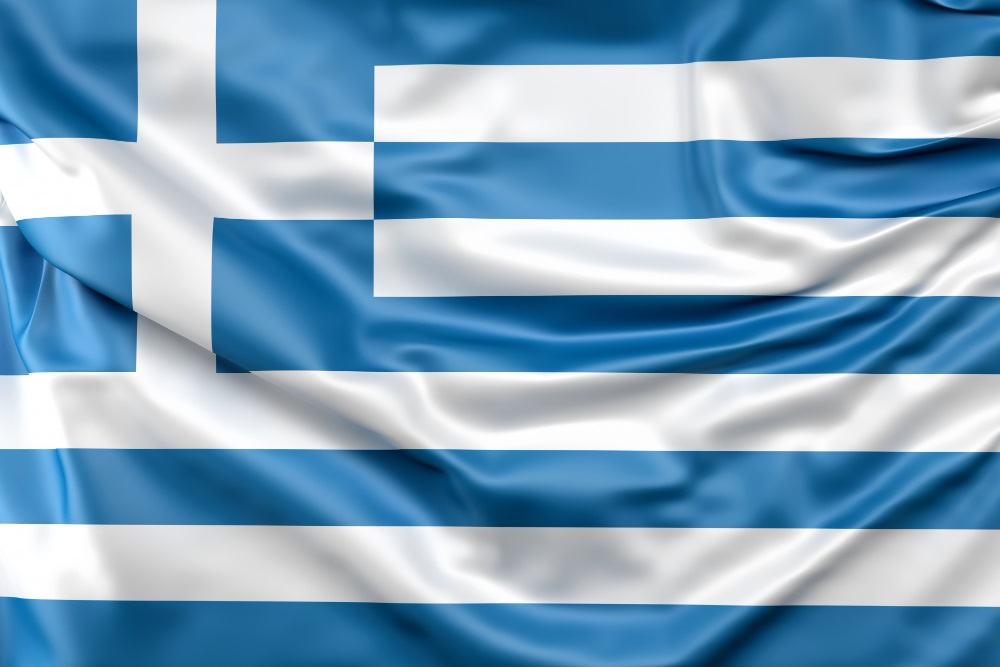
Greece has long occupied a singular place in the imagination of international property buyers. It is a country where antiquity meets modernity, where the drama of the Aegean landscape is matched by the quiet appeal of village life and the growing sophistication of its urban centres. Yet beyond the romance lies a property market that has undergone a profound recalibration over the past decade. What was once seen as a distressed opportunity has evolved into a maturing, increasingly competitive market shaped by tourism flows, foreign investment, fiscal reform and a more stable banking sector.
For international investors—whether seeking a second home, a rental yield or a longer-term capital appreciation story—Greece presents a compelling, if nuanced, proposition. The question is no longer whether Greece is investable, but rather where, how and at what price.
A Market Reborn from Crisis
The Greek property market’s modern narrative begins with the sovereign debt crisis, which drove prices down sharply and left a legacy of distressed assets. That phase has largely passed. Over recent years, the market has staged a steady recovery, underpinned by economic stabilisation, stronger GDP growth relative to the eurozone average, and a resurgence in tourism.
Residential property prices have climbed consistently, with cumulative growth in key regions exceeding 30–40 per cent from their post-crisis troughs. Prime locations—particularly Athens’ southern suburbs and the most sought-after islands—have seen even sharper increases. However, compared with other Mediterranean markets such as Spain, Portugal or parts of Italy, Greece still offers relative value, particularly outside headline destinations.
The structural shift is important. Price growth is no longer solely driven by bargain-hunting investors; it reflects genuine demand, both domestic and international, supported by improved mortgage availability and rising incomes within Greece.
Foreign Buyers and the Golden Visa Effect
A central pillar of Greece’s property resurgence has been foreign capital. The country’s residency-by-investment programme—commonly referred to as the “Golden Visa”—has been instrumental in attracting buyers from Asia, the Middle East and increasingly North America.
The scheme offers residency rights in exchange for property investment above a specified threshold. While recent adjustments have raised minimum investment levels in high-demand areas such as Athens, Mykonos and Santorini, the programme continues to drive demand, particularly in mid-market urban properties and newer developments.
Foreign buyers now account for a substantial share of transactions in certain segments. In Athens, for example, international purchasers have been especially active in neighbourhoods undergoing regeneration, where yields on short-term rentals remain attractive.
At the same time, policymakers have sought to balance inward investment with housing affordability concerns. This has resulted in a more targeted Golden Visa structure, directing demand towards less saturated regions and higher-value properties.
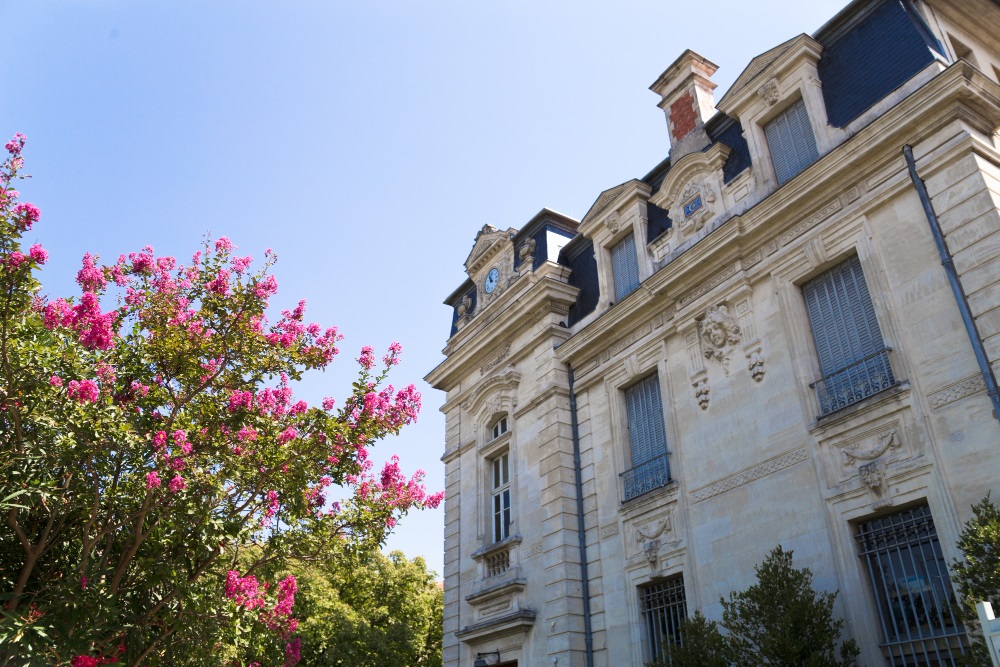
Athens: Urban Renewal and Yield Potential
Athens has undergone a remarkable transformation. Once overshadowed by the islands, the capital has emerged as a focal point for investors seeking both rental income and capital appreciation.
Neighbourhoods such as Koukaki, Pangrati and parts of Piraeus have benefited from infrastructure upgrades, increased tourism and a growing expatriate community. The expansion of the metro network and broader urban regeneration initiatives have further enhanced the city’s appeal.
Average property prices in central Athens remain competitive by European capital standards. Entry-level apartments can still be found below €2,500 per square metre in certain districts, while prime areas command significantly higher values. Rental yields—particularly from short-term lets—have historically ranged between 4 and 7 per cent, although regulatory changes affecting platforms like Airbnb have introduced additional considerations.
Importantly, Athens is no longer solely a yield play. It is increasingly viewed as a long-term urban investment, supported by improving economic fundamentals and a more diversified demand base.
The Islands: Prestige, Scarcity and Premium Pricing
If Athens represents opportunity, the Greek islands represent aspiration. Locations such as Mykonos, Santorini, Corfu and Crete continue to attract high-net-worth buyers seeking exclusivity, lifestyle and, in some cases, trophy assets.
The dynamics here are markedly different. Supply is constrained by geography and planning regulations, while demand remains robust, particularly for luxury villas with sea views and proximity to beaches.
Prices in prime island locations can exceed €10,000 per square metre, with ultra-luxury properties commanding significantly more. Rental yields are often seasonal but can be substantial during peak months, particularly for well-positioned villas.
However, the island market is not monolithic. Lesser-known destinations—such as Naxos, Paros or parts of the Peloponnese—offer lower entry prices and growing tourism profiles. These emerging hotspots are increasingly attracting investors seeking a balance between affordability and upside potential.
Regional Greece: Value Beyond the Headlines
Beyond Athens and the islands lies a diverse regional market that remains underappreciated by international buyers. Northern Greece, including Thessaloniki and Chalkidiki, offers a combination of urban vibrancy and coastal access at relatively modest price points.
Thessaloniki, the country’s second-largest city, has seen rising demand driven by its student population, cultural scene and improving infrastructure. Property prices here are typically lower than in Athens, yet rental demand is strong, providing attractive yield opportunities.
Similarly, mainland coastal regions and inland towns present opportunities for buyers willing to look beyond established tourist circuits. In these areas, properties can still be acquired for under €1,500 per square metre, with potential for appreciation as infrastructure and tourism develop.
Costs, Taxes and the Buying Process
Understanding the cost structure is essential for any prospective buyer. Transaction costs in Greece are relatively straightforward but should not be underestimated.
Property transfer tax is typically around 3 per cent of the purchase price. Additional costs—including notary fees, legal expenses and registration fees—can bring total transaction costs to approximately 7–10 per cent.
Annual property taxes, known as ENFIA, vary depending on the size, location and value of the property but are generally modest by European standards. For investors, rental income is subject to taxation, with rates depending on income levels and whether the property is let on a short-term or long-term basis.
Financing options have improved, with Greek banks gradually increasing mortgage lending. However, many foreign buyers continue to purchase with cash, particularly in the mid- to high-end segments.
Tourism: The Engine of Demand
Tourism remains the backbone of Greece’s property market. The country consistently ranks among Europe’s top destinations, attracting tens of millions of visitors annually.
This influx supports the short-term rental market, which has become a key driver of property demand, particularly in urban centres and popular islands. The growth of digital nomadism has further extended the tourism season, increasing occupancy rates and boosting rental yields.
However, the reliance on tourism also introduces a degree of cyclicality. External factors—such as global economic conditions or geopolitical developments—can influence visitor numbers and, by extension, rental income.
Regulation and Market Maturity
As the market has matured, so too has the regulatory environment. Authorities have introduced measures to improve transparency, streamline property registration and address issues related to short-term rentals.
The digitisation of land registries and the simplification of bureaucratic processes have made it easier for foreign buyers to navigate the market. At the same time, increased oversight of rental platforms reflects a broader effort to balance investor interests with local housing needs.
These developments are broadly positive, contributing to a more stable and predictable investment environment.
Risks and Considerations
Despite its attractions, the Greek property market is not without risks. Price growth in certain areas has been rapid, raising concerns about potential overheating, particularly in prime island markets.
Liquidity can also vary. While demand is strong in popular locations, less established areas may require a longer holding period to realise gains. Additionally, legal due diligence is critical, as issues related to title deeds and planning permissions can arise.
Currency risk may also be a factor for non-euro investors, as fluctuations can impact both purchase costs and returns.
Finally, changes to government policy—particularly regarding taxation or residency schemes—can influence market dynamics. Investors should remain attentive to regulatory developments.
Sustainability and the Future of Greek Property
Looking ahead, sustainability is likely to play an increasingly important role in the Greek property market. Energy efficiency standards are tightening, and buyers are showing greater interest in environmentally friendly homes.
New developments are incorporating green technologies, while older properties may require upgrades to meet evolving standards. This creates both challenges and opportunities, particularly for investors willing to undertake renovations.
Infrastructure investment will also be a key driver. Projects such as the redevelopment of the former Ellinikon airport site in Athens—a vast mixed-use development—are set to reshape the city’s property landscape and attract significant international interest.
A Market of Contrasts and Opportunities
Greece’s property market is, above all, a market of contrasts. It offers everything from modest apartments in emerging urban districts to multimillion-euro villas overlooking the Aegean.
For international buyers, the appeal lies not only in the diversity of options but also in the country’s broader trajectory. Greece has moved beyond crisis and into a phase of measured growth, supported by structural reforms and a more resilient economy.
Yet success in this market requires discernment. Location, property type and investment horizon all matter. The days of indiscriminate bargain hunting are over; what remains is a more sophisticated market in which informed decisions are rewarded.
Conclusion: Sunlit Prospects with Measured Optimism
Property for sale in Greece continues to capture the attention of global investors, and for good reason. It combines lifestyle appeal with tangible investment potential, set against the backdrop of a recovering and evolving economy.
Prices have risen, but not uniformly. Opportunities remain, particularly for those willing to look beyond the obvious and engage with the market’s complexities. Whether in the bustling streets of Athens, the tranquil villages of the mainland or the sun-drenched islands of the Aegean, Greece offers a spectrum of possibilities.
For the international buyer, the message is clear: Greece is no longer a distressed market, but neither is it fully saturated. It occupies a middle ground—one that rewards careful analysis, local knowledge and a willingness to take a long-term view.
In that balance lies its enduring appeal.
Financial Disclaimer: The information provided in this article is for general informational purposes only and does not constitute financial advice. While every effort has been made to ensure the accuracy of the content, market conditions may change, and unforeseen risks may arise. The author and publisher of this article do not accept liability for any losses or damages arising directly or indirectly from the use of the information contained herein.
Copyright: schengenproperty.com
Pictures by: www.magnific.com/