
Sweden’s property market has entered a decisive new phase. Long regarded as one of Europe’s most sophisticated and transparent housing sectors, it has spent recent years navigating the turbulence created by rising interest rates, slowing construction activity and shifting demographic pressures. Yet amid these challenges, Sweden has retained the qualities that continue to attract international investors: political stability, strong institutions, world-class infrastructure and a deeply embedded culture of long-term wealth preservation through property ownership.
For overseas buyers searching for property for sale in Sweden, the market offers a distinctive proposition. Unlike the speculative coastal markets of southern Europe or the ultra-prime enclaves of London and Paris, Sweden’s housing sector is rooted in economic fundamentals. This is a country where urbanisation, technological innovation and sustainability policy exert as much influence over property values as tourism or foreign capital.
What has emerged is a market that is more cautious than exuberant, but also more resilient than many of its European counterparts. Sweden may no longer be the rapid-growth property story of the past decade, yet for long-term investors and internationally mobile professionals, it remains one of Europe’s most credible and secure real estate environments.
A Market Reset After the Era of Cheap Money
Sweden’s housing market was heavily shaped by the low-interest-rate environment that prevailed for much of the previous decade. Property prices rose sharply, particularly in Stockholm and Gothenburg, as borrowing became increasingly affordable and demand outpaced supply.
The sharp tightening of monetary policy across Europe and the Nordic region fundamentally changed those dynamics. Higher mortgage rates placed pressure on heavily indebted households and triggered a cooling in demand. Residential prices corrected in many areas, particularly in apartment markets where leverage had been highest.
However, Sweden avoided the severe market dislocation that some analysts feared. Strong employment levels, prudent banking oversight and a limited supply of housing helped stabilise the sector. As inflationary pressures began to moderate, confidence gradually returned to the market.
Property prices are now recovering steadily in key urban centres, though growth remains measured. Stockholm has led the rebound, while regional cities have demonstrated varying degrees of resilience depending on local economic conditions.
This recalibration has created a healthier balance between affordability and demand. Buyers entering the Swedish market today are doing so in a more disciplined environment, one shaped by economic reality rather than speculative momentum.
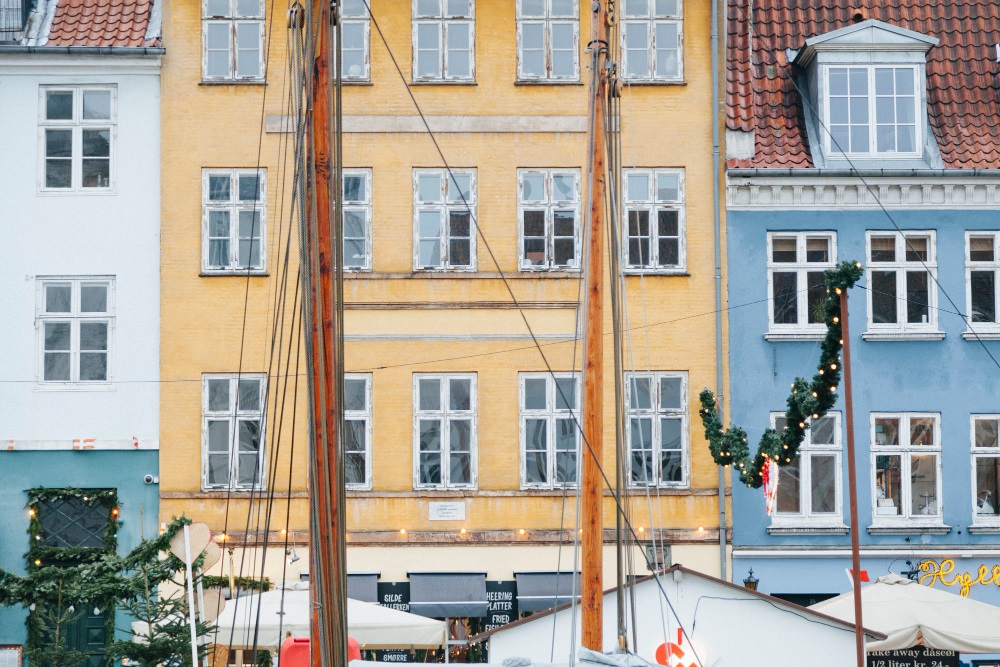
Stockholm: Scandinavia’s Premium Property Market
Stockholm remains the centrepiece of Sweden’s residential property market and one of the most expensive cities in Northern Europe. Built across islands and waterways, the Swedish capital combines economic power with environmental quality and architectural elegance.
Demand for housing in Stockholm continues to exceed supply, particularly in central districts such as Östermalm, Norrmalm and Södermalm. Strict planning regulations and limited land availability constrain new construction, while population growth continues to support demand.
Apartment prices in prime districts now frequently range between SEK 100,000 and SEK 160,000 per square metre, with luxury waterfront properties commanding substantially higher values. Even suburban districts connected by Stockholm’s efficient transport system have experienced sustained price growth.
The city’s rental market remains tightly controlled and highly competitive. Sweden’s regulated rental framework limits rental inflation but also contributes to long waiting lists for tenancy contracts. As a result, privately owned apartments available for rental remain in strong demand.
Gross rental yields in Stockholm are generally modest, often ranging between 2.5% and 4%. Investors are therefore typically drawn more by long-term capital preservation and stability than by immediate income returns.
What distinguishes Stockholm is the depth of its economy. Sweden’s technology, finance and innovation sectors continue to attract highly skilled professionals from around the world, reinforcing long-term housing demand.
Gothenburg and Malmö: Regional Growth Centres
Beyond Stockholm, Sweden’s secondary cities offer increasingly attractive opportunities for buyers seeking comparatively lower entry costs and stronger yields.
Gothenburg, Sweden’s second-largest city, benefits from its strategic importance as a logistics and industrial hub. The presence of major automotive, shipping and technology industries supports steady employment growth and housing demand.
Property prices in Gothenburg remain below Stockholm levels, typically ranging between SEK 50,000 and SEK 90,000 per square metre in desirable districts. Rental demand is strong, particularly among younger professionals and students, producing yields that can exceed those available in the capital.
Malmö, linked to Copenhagen via the Öresund Bridge, presents a distinctive cross-border dynamic. The city has evolved significantly from its industrial past and now attracts a growing population drawn by relative affordability and connectivity to Denmark.
Housing in Malmö is generally more accessible than in Stockholm or Gothenburg, though prices have risen steadily as demand has increased. The city’s international population and expanding business environment continue to underpin market activity.
Together, these regional centres illustrate the broader diversification of Sweden’s property market. While Stockholm dominates international attention, growth opportunities increasingly exist elsewhere.
The Swedish Housing Model: Structure and Regulation
Sweden’s property system differs in several important respects from many international markets. Apartments are often purchased through housing cooperatives, known as “bostadsrättsföreningar”, rather than through outright freehold ownership.
Under this structure, buyers purchase the right to occupy an apartment within a collectively managed building. Monthly fees contribute towards maintenance, repairs and communal expenses. The financial health of the cooperative is therefore an important consideration for buyers.
This model contributes to Sweden’s generally high standards of property management but requires careful due diligence. Buyers must assess not only the apartment itself but also the cooperative’s debt levels and maintenance obligations.
Transaction processes are efficient and transparent. Sweden’s digital infrastructure and strong legal protections reduce administrative complexity, making the buying process relatively straightforward for international purchasers.
However, foreign buyers should be aware that mortgage financing can be more restrictive than in some other European markets. Swedish banks typically apply conservative lending criteria, particularly for non-residents.
Interest Rates and Household Debt: The Core Market Challenge
One of the defining features of Sweden’s housing market is household indebtedness. Swedish homeowners traditionally relied heavily on variable-rate mortgages, leaving many exposed to rising borrowing costs.
As interest rates increased sharply, monthly mortgage payments rose correspondingly, placing pressure on household finances and reducing affordability. This contributed to the market slowdown and prompted greater caution among buyers.
Nevertheless, Sweden’s strong labour market and robust welfare system helped cushion the impact. Unemployment remained comparatively low, and widespread mortgage defaults did not materialise.
Mortgage rates have now begun to stabilise, though they remain significantly higher than during the ultra-low-rate era. Typical borrowing costs currently range between 3% and 5%, depending on loan structure and borrower profile.
This new financing environment has fundamentally altered buyer behaviour. Demand has become more selective, and energy-efficient properties with lower operating costs are increasingly favoured.
Rental Markets and Investment Returns
Sweden’s rental market presents a mixed picture for international investors. On one hand, demand for housing in major cities remains extremely strong. On the other, regulatory constraints can limit flexibility and profitability.
Rent controls continue to shape much of the market, particularly for long-term tenancies. While this provides stability for tenants, it can suppress rental growth and reduce yields for landlords.
In major urban centres, gross rental yields typically range from:
2.5% to 4% in Stockholm
3% to 5% in Gothenburg and Malmö
Higher yields in secondary regional markets
Short-term holiday rentals remain less dominant than in southern Europe, though tourism-focused markets such as Stockholm’s historic districts and ski destinations in northern Sweden have seen growth in this sector.
Institutional investors have become increasingly active in Sweden’s rental housing market, reflecting confidence in long-term urban demand despite regulatory constraints.
Sustainability and Green Property Standards
Environmental performance has become central to Sweden’s property sector. Sustainability is not simply an emerging trend but a deeply integrated component of housing policy and construction standards.
New developments are built to exceptionally high energy-efficiency standards, incorporating renewable energy systems, advanced insulation and low-carbon materials. Older buildings are increasingly subject to renovation requirements aimed at improving environmental performance.
Energy-efficient properties command growing premiums, particularly as heating and utility costs remain important considerations in the Nordic climate.
Sweden’s emphasis on sustainable urban planning also enhances long-term property appeal. Cities are designed with public transport, green spaces and environmental resilience in mind, contributing to high levels of liveability.
For investors, this focus on sustainability has financial implications. Buildings with poor environmental credentials may face declining demand and increasing refurbishment costs over time.
The International Buyer: A Changing Demographic
Sweden’s property market has historically been driven primarily by domestic demand. However, international interest has grown steadily, particularly among professionals relocating for work and investors seeking stable European assets.
Buyers from Germany, the Netherlands, the United Kingdom and increasingly North America have shown rising interest in Swedish real estate. Stockholm’s technology ecosystem, in particular, has attracted internationally mobile workers and entrepreneurs.
The appeal extends beyond cities. Sweden’s countryside, lakeside properties and northern wilderness regions attract lifestyle buyers seeking privacy and environmental quality.
However, international purchasers should recognise that Sweden is not a low-cost market. High construction standards, strong labour protections and regulatory compliance all contribute to relatively elevated property prices and maintenance costs.
Risks and Challenges in the Swedish Market
Despite its strengths, Sweden’s property market faces several challenges.
Housing affordability remains a political issue, particularly in Stockholm where prices have outpaced income growth over many years. This could lead to further regulatory intervention in areas such as rental policy and development controls.
Construction activity has slowed considerably due to higher financing costs and weaker developer margins. Over time, this may exacerbate housing shortages in major cities.
Demographic trends also present complexity. While urban populations continue to grow, some rural regions face stagnation or decline, limiting long-term demand outside key economic centres.
Finally, Sweden’s exposure to global economic conditions means that external shocks can influence buyer confidence and investment flows.
A Market Defined by Long-Term Thinking
What ultimately distinguishes Sweden’s property market is its orientation towards long-term stability rather than short-term speculation. Price growth tends to reflect structural factors—employment, demographics, infrastructure and sustainability—rather than sudden surges of speculative demand.
For international buyers, this creates a very different investment profile from more volatile markets. Sweden offers security, transparency and institutional reliability, but it does not promise rapid or dramatic returns.
Instead, it appeals to those seeking durable value in a politically stable and economically advanced society.
Conclusion: Sweden’s Enduring Appeal in a Volatile Europe
Property for sale in Sweden occupies a unique place within the European housing landscape. It is a market shaped not by excess but by discipline, not by speculation but by structural strength.
Its cities remain among the world’s most liveable. Its legal and financial systems are trusted internationally. Its commitment to sustainability aligns closely with the direction of global investment trends.
While higher interest rates and affordability pressures have altered market dynamics, they have not undermined Sweden’s fundamental attractiveness. If anything, the recent correction has reinforced the sector’s credibility by demonstrating its ability to absorb economic stress without systemic instability.
For international investors and buyers seeking long-term security within Europe, Sweden continues to offer something increasingly valuable: confidence grounded in substance rather than sentiment.
Financial Disclaimer: The information provided in this article is for general informational purposes only and does not constitute financial advice. While every effort has been made to ensure the accuracy of the content, market conditions may change, and unforeseen risks may arise. The author and publisher of this article do not accept liability for any losses or damages arising directly or indirectly from the use of the information contained herein.
Copyright: schengenproperty.com
Pictures by: www.magnific.com/