
There are property markets that attract buyers through glamour, and others that command respect through stability. Norway belongs decisively to the latter category. Rich in natural resources, politically secure and supported by one of the world’s largest sovereign wealth funds, Norway has cultivated a housing market that reflects the wider characteristics of its economy: disciplined, resilient and remarkably durable.
For international investors and lifestyle buyers, Norwegian property presents a distinctive proposition. It is not a low-cost market, nor is it one associated with speculative excess. Instead, it offers access to a highly developed Nordic economy where transparency, infrastructure and quality of life consistently rank among the best globally.
The country’s real estate sector has undergone a period of adjustment in response to higher interest rates and global economic uncertainty. Yet unlike more volatile markets elsewhere, Norway has largely avoided dramatic corrections. Demand remains underpinned by high employment, rising wages and chronic housing shortages in key urban centres.
This is a market where confidence matters. And confidence in Norway—its institutions, currency, governance and long-term economic outlook—remains notably strong.
An Economy Anchored by Energy Wealth
Norway’s economic foundation is central to understanding its property market. Oil and gas revenues have transformed the country into one of the wealthiest nations on earth, while prudent fiscal management has prevented many of the distortions associated with resource-driven economies.
The Government Pension Fund Global, often referred to as Norway’s sovereign wealth fund, provides an additional layer of economic security that few countries can match. This financial strength has supported employment, infrastructure investment and consumer confidence across decades.
Even amid global economic turbulence, Norway’s labour market has remained comparatively robust. Wage growth has stayed healthy, unemployment levels remain relatively low and public finances are exceptionally strong.
These conditions have helped sustain the housing market during periods when rising borrowing costs have weakened activity elsewhere in Europe. While transaction volumes have moderated and price growth has slowed, the broader market has remained resilient.
Norway’s independent monetary policy also sets it apart from eurozone countries. The Norwegian krone fluctuates independently, creating both opportunities and currency considerations for international buyers.
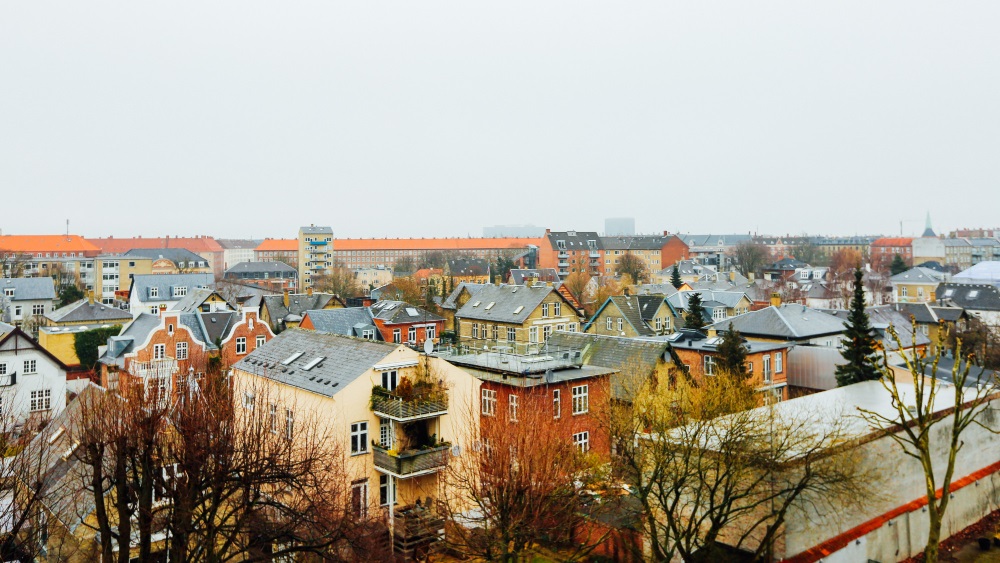
Oslo: One of Europe’s Most Competitive Housing Markets
The centrepiece of the Norwegian property market is Oslo, a capital city where strong economic growth, limited land supply and rising population have combined to create sustained housing demand.
Oslo’s appeal extends far beyond Scandinavia. The city offers high-quality infrastructure, clean urban planning, excellent public transport and proximity to nature rarely matched by major capitals. These factors have increasingly attracted international professionals and investors.
Property prices reflect this demand. Prime apartments in central Oslo frequently command between NOK 120,000 and NOK 180,000 per square metre, with luxury waterfront developments exceeding these levels. Even suburban districts remain expensive by European standards.
The city’s geography contributes significantly to price pressures. Surrounded by fjords and protected forest areas, Oslo faces natural limitations on expansion. Combined with strict planning regulations and a growing population, this has created persistent supply shortages.
Rental demand remains strong, particularly among students, professionals and expatriate workers. Monthly rents for centrally located one-bedroom apartments often range between NOK 15,000 and NOK 25,000 depending on location and specification.
For investors, Oslo offers long-term security rather than exceptional yields. Gross rental returns generally range from 3% to 4.5%, though vacancy risks remain comparatively low.
Bergen, Stavanger and Trondheim Offer Regional Strength
While Oslo dominates the national market, several regional cities present compelling alternatives.
Bergen, known for its maritime heritage and dramatic scenery, has maintained steady housing demand supported by tourism, shipping and education sectors. The city’s constrained geography, surrounded by mountains and water, creates similar supply pressures to Oslo, albeit at lower price levels.
Stavanger remains closely tied to Norway’s energy industry. As the centre of the country’s oil and gas sector, the city’s property market can be more cyclical, influenced by global energy prices and corporate investment trends. Nevertheless, Stavanger continues to benefit from high-income employment and strong underlying demand.
Trondheim, home to Norway’s leading technical university, has developed into a major knowledge and innovation centre. Student demand, technology industries and research institutions support a stable housing market with reliable rental activity.
These regional markets often provide relatively better value than Oslo while still benefiting from Norway’s broader economic stability.
Housing Supply Remains Under Pressure
A recurring theme across the Norwegian market is insufficient housing supply. Population growth, urbanisation and strict development controls have limited the pace of construction in major cities.
Developers face rising construction costs, labour shortages and increasingly demanding environmental regulations. These factors have contributed to higher prices for new-build properties and delayed the delivery of additional housing stock.
The Norwegian government has introduced initiatives aimed at improving affordability and accelerating housing supply, but structural constraints remain difficult to overcome. Planning approvals can be lengthy, and environmental considerations play a significant role in development decisions.
This imbalance between supply and demand continues to underpin long-term property values. Even during periods of weaker buyer activity, the lack of available housing has helped prevent significant market corrections.
Foreign Buyers and Ownership Rules
Norway is relatively open to foreign property ownership compared with some European jurisdictions. There are generally few restrictions on foreigners purchasing residential property, although certain rural or agricultural properties may face additional controls.
The legal framework is transparent and well-regulated, providing strong protections for buyers. Transactions are typically straightforward, supported by comprehensive land registration systems and high professional standards among estate agents and legal advisers.
However, the market can still present challenges for overseas purchasers. Competition for desirable properties is intense, and bidding processes are often fast-moving. In urban markets, homes frequently sell above asking prices during competitive periods.
Financing for non-residents is available but more limited than for domestic buyers. Norwegian banks typically require larger deposits from foreign purchasers, and lending terms can vary depending on residency status and income structure.
Interest Rates and Market Adjustment
Like much of Europe, Norway has experienced rising interest rates following years of ultra-cheap borrowing. The impact on the housing market has been noticeable but measured.
Higher mortgage costs have reduced affordability and slowed transaction activity. Some households have become more cautious, and price growth has moderated significantly from the rapid increases seen during earlier periods.
Yet the Norwegian market has demonstrated resilience. Strong household finances, prudent lending standards and low unemployment have limited the risk of widespread distress.
Norwegian borrowers are also accustomed to variable mortgage rates, meaning households tend to be more financially prepared for interest rate fluctuations than in some fixed-rate mortgage markets.
Most analysts expect the market to remain relatively stable, though price growth is likely to be more subdued than during the boom years.
The Rental Market and Investor Demand
Norway’s rental market remains healthy, particularly in university cities and major employment centres. Urbanisation continues to support tenant demand, while high purchase prices keep many younger residents in the rental sector for longer.
Rental regulation exists but is generally balanced compared with some more heavily controlled European markets. Landlords benefit from relatively stable legal frameworks and low vacancy rates in strong urban locations.
Short-term rentals have grown in popularity in tourist destinations and city centres, though local authorities have increased scrutiny in certain areas to protect housing availability for residents.
Investor demand has become more selective in the current environment. Higher borrowing costs have compressed returns, placing greater emphasis on property quality, location and long-term capital appreciation potential.
Norway’s Commitment to Sustainability
Environmental policy plays a major role in the Norwegian housing market. Sustainability standards are among the strictest in Europe, and buyers increasingly prioritise energy efficiency and climate resilience.
New developments are built to demanding environmental standards, incorporating advanced insulation, low-energy heating systems and sustainable materials. Properties with poor energy performance may face declining competitiveness as regulations tighten further.
Electric vehicle infrastructure, renewable energy integration and environmentally conscious urban planning have become standard features in many developments.
This emphasis on sustainability aligns closely with buyer expectations in the Norwegian market, where environmental awareness is deeply embedded within society.
Costs, Taxes and Transaction Expenses
Buying property in Norway involves several important costs beyond the purchase price itself.
Stamp duty, known as document tax, is generally 2.5% of the property’s assessed value for resale properties. New-build homes purchased directly from developers may be exempt from some transfer taxes, though VAT considerations can apply.
Additional costs include legal fees, registration expenses and technical surveys where appropriate. Buyers should also account for ongoing municipal charges, maintenance costs and insurance premiums.
Property taxes vary by municipality. Some areas impose modest annual property taxes, while others maintain relatively low recurring ownership costs compared with larger European markets.
Capital gains taxation may apply depending on ownership duration and usage, though primary residences often benefit from favourable treatment under Norwegian tax law.
Lifestyle and International Appeal
Norway’s lifestyle appeal should not be underestimated. The country consistently ranks highly for quality of life, healthcare, education and social stability.
Its natural environment remains one of its strongest attractions. Fjords, forests, skiing resorts and coastal landscapes create enduring appeal for second-home buyers and lifestyle investors.
Remote working trends have also increased interest in regional and holiday properties. Improved digital infrastructure has made year-round living in previously seasonal locations increasingly practical.
For international buyers, Norway offers a combination of personal security and environmental quality that few countries can match. This emotional dimension continues to support long-term housing demand.
Risks Facing the Norwegian Market
Despite its strengths, Norway’s property market is not immune to risk.
High household debt levels remain a concern frequently highlighted by economists and regulators. Rising interest rates have increased pressure on borrowers, particularly those who purchased during periods of exceptionally low financing costs.
The Norwegian economy also remains influenced by energy markets. While diversification has increased, fluctuations in oil and gas prices still affect broader economic sentiment and regional employment conditions.
Currency volatility presents another factor for international investors. The Norwegian krone can experience significant swings against major global currencies, influencing both acquisition costs and investment returns.
Climate-related considerations are also becoming increasingly important. Coastal resilience, extreme weather events and environmental regulations are likely to play a growing role in long-term property valuation.
The Outlook for Norwegian Property
The Norwegian housing market appears to be entering a phase of stabilisation rather than correction. Rapid price growth has eased, borrowing conditions are tighter and buyers are more cautious.
Yet the structural foundations of the market remain strong. Housing shortages persist in major cities, employment remains robust and the broader economy continues to benefit from exceptional fiscal strength.
Urban centres such as Oslo are likely to retain their long-term attractiveness due to international demand, infrastructure quality and supply constraints. Regional cities also continue to benefit from economic diversification and lifestyle appeal.
For investors, Norway offers reliability rather than speculation. It is a market where long-term capital preservation often matters more than short-term yield maximisation.
Conclusion: Security, Scarcity and Long-Term Confidence
Norway’s property market reflects the wider character of the nation itself: disciplined, affluent and resilient.
In an era where many global housing markets are wrestling with instability and uncertainty, Norway continues to project confidence. Strong institutions, prudent economic management and sustained housing demand provide a level of reassurance that is increasingly valuable to international buyers.
Property in Norway is expensive, and entry barriers can be high. Yet buyers are not simply paying for square metres or scenic views. They are investing in stability, governance and one of the highest standards of living in the world.
That proposition remains powerful. And as economic uncertainty continues to shape global real estate markets, Norway’s reputation as a safe and enduring property destination looks set to strengthen further.
Financial Disclaimer: The information provided in this article is for general informational purposes only and does not constitute financial advice. While every effort has been made to ensure the accuracy of the content, market conditions may change, and unforeseen risks may arise. The author and publisher of this article do not accept liability for any losses or damages arising directly or indirectly from the use of the information contained herein.
Copyright: schengenproperty.com
Pictures by: www.magnific.com/