Slovenia has long existed in the shadow of larger European property markets. Nestled between Italy, Austria, Croatia and Hungary, this compact Central European nation rarely commands the headlines generated by Mediterranean hotspots or major financial centres. Yet quietly and steadily, Slovenia has cultivated one of Europe’s most stable and increasingly attractive real estate markets.
What makes Slovenia unusual is the balance it offers. It combines eurozone stability with Alpine scenery, Mediterranean influences with strong infrastructure and relatively manageable property prices with high quality of life. In many respects, it captures the best elements of several neighbouring countries while avoiding some of their excesses.
For international buyers, Slovenia increasingly represents an alternative to overcrowded and overpriced Western European destinations. Its appeal lies not in speculative excitement but in long-term sustainability, liveability and measured growth.
The property market reflects these characteristics. Prices have risen consistently over recent years, particularly in urban centres and tourism regions, yet the market remains relatively disciplined. Demand is supported by domestic stability, growing international interest and limited housing supply in key areas.
As global buyers search for politically secure, environmentally attractive and economically resilient destinations, Slovenia is beginning to move from overlooked to highly regarded.
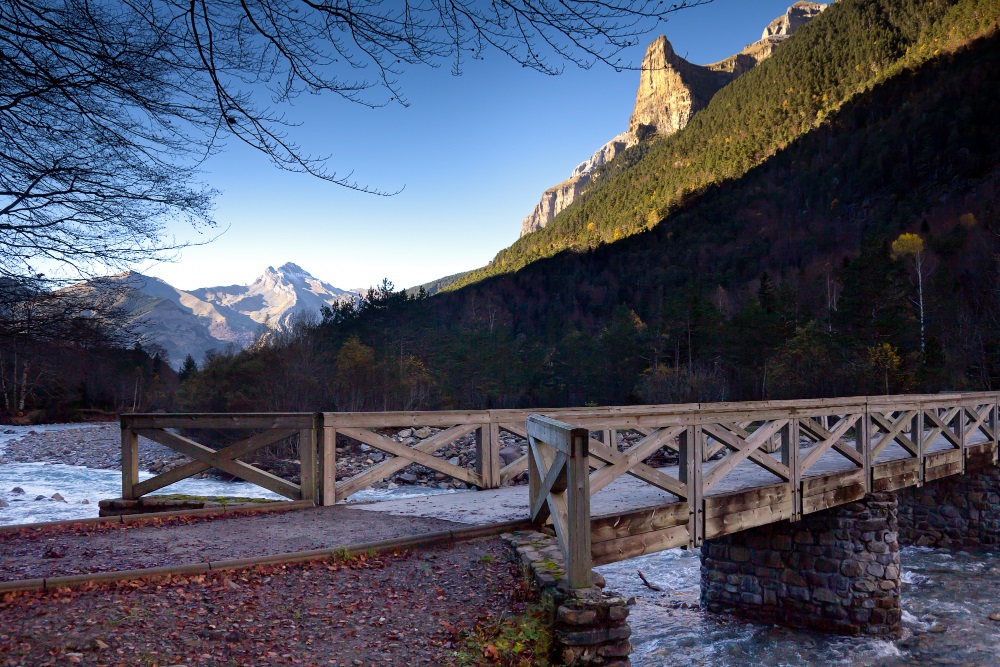
A Stable Economy Underpinning Housing Demand
Slovenia’s economic position is central to understanding its property market. Since gaining independence and later joining both the European Union and the eurozone, the country has developed into one of the most stable economies in Central Europe.
Manufacturing, logistics, pharmaceuticals, tourism and technology all contribute to economic output, while Slovenia’s strategic position at the crossroads of major European trade routes strengthens its regional importance.
Unlike some neighbouring markets that experienced extreme volatility during earlier economic cycles, Slovenia’s housing market has generally followed a more measured trajectory. The country avoided many of the speculative excesses seen elsewhere in Europe, and its banking sector has become significantly more robust since the financial crises of the past decade.
Employment levels remain relatively strong, wage growth has supported domestic purchasing power and public infrastructure standards continue to improve. These factors have sustained housing demand even as higher European interest rates have moderated transaction activity.
One of Slovenia’s defining advantages is its scale. With a population of just over two million, the country is compact and manageable. Economic and social stability tend to translate quickly into property market confidence.
Ljubljana: Small Capital, Growing International Appeal
At the centre of Slovenia’s property market lies Ljubljana, a capital city whose international reputation has risen sharply over the past decade.
Ljubljana combines Baroque architecture, riverside cafés, green public spaces and a growing technology and business sector within an exceptionally walkable urban environment. It consistently ranks highly for quality of life, environmental sustainability and liveability.
This growing reputation has translated directly into housing demand. Property prices in Ljubljana have risen substantially as both domestic buyers and international investors target the limited housing stock available within the city.
Prime apartments in central districts commonly range between €4,500 and €8,000 per square metre, while premium new developments can exceed these levels. Prices remain below those seen in Vienna or Munich, yet they have climbed rapidly relative to local income levels.
Demand is particularly strong for modern energy-efficient apartments and renovated historic properties near the city centre. Supply constraints remain significant, partly due to limited development land and strict planning considerations aimed at preserving Ljubljana’s architectural character.
Rental demand is equally healthy. Students, professionals, expatriates and diplomats all contribute to a stable tenant market. Gross rental yields generally range between 3.5% and 5%, depending on property type and location.
While the market has cooled slightly in response to higher borrowing costs, Ljubljana continues to benefit from long-term structural demand.
Lake Bled and the Tourism Property Market
If Ljubljana represents Slovenia’s economic heart, then Lake Bled embodies its international lifestyle appeal.
The iconic Alpine lake, with its church-topped island and surrounding mountains, has become one of Europe’s most recognisable tourism destinations. International visitors continue to drive strong demand for holiday accommodation and second homes throughout the region.
Property around Lake Bled and nearby alpine areas commands significant premiums relative to much of the country. Luxury chalets, lake-view apartments and boutique tourism properties are particularly sought after.
The broader tourism market also extends to ski resorts, wellness retreats and the Julian Alps. Buyers increasingly view these regions not merely as holiday destinations but as long-term lifestyle investments.
However, supply remains tightly constrained due to environmental protections and strict development controls. This scarcity has helped support property values despite fluctuations in tourism activity.
For investors, the tourism segment offers attractive opportunities, though seasonal demand patterns and regulatory considerations require careful evaluation.
The Adriatic Coast and Mediterranean Appeal
Slovenia’s coastline may be short compared with neighbouring Croatia, but it exerts a disproportionate influence on the property market.
Coastal towns such as Piran, Portorož and Koper continue to attract buyers seeking Mediterranean lifestyle properties within a relatively stable and less crowded environment.
Property prices along the Adriatic coast are among the highest in Slovenia, particularly for sea-view apartments and historic stone properties. Premium coastal homes can rival pricing in more established Mediterranean destinations.
Tourism remains a major driver of demand, particularly for short-term rentals during summer months. Yet the coast also appeals to retirees and remote workers seeking year-round residence within the Schengen area.
The limited size of Slovenia’s coastline contributes significantly to scarcity. Available inventory is often extremely limited, particularly within historic towns where development opportunities are tightly restricted.
Foreign Buyers and Growing International Interest
International interest in Slovenian property has grown steadily in recent years. Buyers from Germany, Austria, Italy, the Netherlands and increasingly North America are becoming more active within the market.
Several factors support this trend. Slovenia offers eurozone stability, strong infrastructure, political security and comparatively straightforward property ownership rules for EU citizens.
English is widely spoken in business and tourism sectors, making transactions more accessible for overseas buyers. The country’s legal system is generally transparent, though professional legal representation remains essential for all purchases.
Non-EU buyers may face additional administrative requirements depending on reciprocity agreements and ownership structures, though foreign investment overall remains relatively open compared with some European jurisdictions.
International demand is particularly strong in Ljubljana, Lake Bled and coastal regions where lifestyle appeal combines with investment potential.
Supply Shortages Continue to Support Prices
One of the defining features of Slovenia’s housing market is limited supply.
New construction activity has increased, particularly around Ljubljana and regional urban centres, yet development remains constrained by geography, planning regulations and rising construction costs.
Environmental considerations also play a significant role. Slovenia places strong emphasis on sustainability and landscape preservation, limiting large-scale overdevelopment in many attractive regions.
This has helped prevent the kind of oversupply issues experienced in some Southern European markets. Instead, scarcity continues to underpin long-term property values.
Construction costs have risen sharply in line with broader European trends, increasing prices for new-build developments. Labour shortages and stricter energy-efficiency standards have added further pressure.
For buyers, this means that well-located properties often remain highly competitive despite slower transaction activity during periods of elevated interest rates.
Mortgage Markets and Financing Conditions
Like much of Europe, Slovenia’s property market has adjusted to a higher interest rate environment.
Mortgage costs increased significantly following years of ultra-low borrowing rates, reducing affordability for some domestic buyers and slowing transaction volumes.
However, the broader market has remained relatively stable. Slovenian households generally maintain moderate debt levels compared with several Western European countries, while banks continue to apply relatively prudent lending standards.
Foreign buyers can obtain financing through Slovenian banks, though larger deposits and stricter income verification are often required.
Cash buyers continue to play an important role within premium tourism and lifestyle markets, helping support pricing resilience even during slower economic periods.
Rental Markets and Investment Returns
Slovenia’s rental market remains relatively small compared with major European economies, but demand is steadily growing.
Ljubljana represents the strongest long-term rental market due to its student population, international workforce and limited housing supply. Centrally located apartments continue to attract strong tenant interest.
Gross rental yields generally range between 3% and 5%, though returns vary significantly depending on location and property type.
Short-term holiday rentals are particularly important in tourism-driven regions such as Lake Bled, Piran and alpine resort areas. During peak seasons, well-positioned properties can achieve strong occupancy rates and premium nightly pricing.
Regulatory oversight of short-term rentals has increased in line with broader European trends, requiring investors to monitor local licensing and taxation rules carefully.
Taxes, Costs and Legal Considerations
Transaction costs in Slovenia are moderate by European standards but remain important considerations for buyers.
Property transfer tax is generally 2% of the agreed purchase price. Legal fees, notary costs and land registry charges add further expenses, though overall acquisition costs remain relatively competitive.
Annual property taxes are comparatively low, particularly for residential assets.
The legal framework for ownership is generally transparent, supported by established land registration systems. Nevertheless, due diligence remains essential, particularly for older properties or land purchases.
Foreign buyers should carefully review zoning permissions, heritage protections and environmental regulations where applicable, especially in tourism-sensitive regions.
Lifestyle Appeal Drives Long-Term Demand
Slovenia’s growing international reputation is driven as much by lifestyle as by economics.
The country consistently ranks highly for environmental quality, safety and outdoor recreation. Residents can move easily between Alpine landscapes, Mediterranean coastline and urban cultural centres within a matter of hours.
Healthcare and education standards are strong, while infrastructure quality compares favourably with many larger European countries.
The relatively relaxed pace of life, combined with political stability and eurozone membership, increasingly appeals to retirees, entrepreneurs and remote workers seeking alternatives to more crowded Western European destinations.
This emotional and lifestyle-driven demand adds resilience to the housing market beyond purely financial considerations.
Risks and Market Challenges
Despite its strengths, Slovenia’s property market faces several challenges.
Affordability pressures are increasing, particularly in Ljubljana where price growth has significantly outpaced wage increases for many residents.
Limited housing supply remains a structural issue, and construction activity may struggle to keep pace with demand due to regulatory and environmental constraints.
The country’s relatively small economy also means it remains sensitive to wider European economic conditions, particularly developments affecting tourism and manufacturing sectors.
Climate considerations are becoming increasingly important as well. Flooding risks and environmental preservation concerns may influence future planning policies and insurance costs in some regions.
For investors, liquidity can also be lower than in larger European markets due to Slovenia’s smaller population and transaction volumes.
The Outlook for Slovenian Property
Slovenia’s property market appears positioned for continued steady growth rather than dramatic expansion.
Demand remains supported by international interest, urbanisation, tourism and limited supply. Although higher interest rates have cooled some buyer activity, the market has avoided major correction due to its relatively balanced fundamentals.
Ljubljana is likely to remain the country’s dominant residential market, while Lake Bled and coastal regions continue benefiting from strong lifestyle demand.
International visibility is also increasing. As buyers become more familiar with Slovenia’s advantages, the country may continue attracting capital that previously focused primarily on Austria, northern Italy or Croatia.
For investors, Slovenia offers a rare combination: eurozone stability, strong environmental quality and comparatively manageable entry prices relative to neighbouring Alpine markets.
Conclusion: Slovenia’s Quiet Strength Becomes Increasingly Valuable
Slovenia may lack the scale of larger European property markets, but that is increasingly part of its attraction.
The country offers stability without congestion, natural beauty without overdevelopment and international accessibility without the extreme pricing pressures seen elsewhere in Europe. Its property market reflects those same characteristics: steady, resilient and quietly confident.
For international buyers seeking long-term value rather than speculative excitement, Slovenia is becoming one of Europe’s most persuasive under-the-radar opportunities.
It is a market shaped less by hype than by fundamentals. And in uncertain economic times, those fundamentals are beginning to look increasingly attractive.
Financial Disclaimer: The information provided in this article is for general informational purposes only and does not constitute financial advice. While every effort has been made to ensure the accuracy of the content, market conditions may change, and unforeseen risks may arise. The author and publisher of this article do not accept liability for any losses or damages arising directly or indirectly from the use of the information contained herein.
Copyright: schengenproperty.com
Pictures by: www.magnific.com/