In the hierarchy of European property markets, Slovakia has often occupied a curious position. Overshadowed by the scale of neighbouring Poland, the tourism strength of Austria and the international visibility of Czech Republic, it has rarely commanded the same headlines. Yet beneath that relative anonymity lies one of Central Europe’s most stable and steadily evolving real estate markets.
Slovakia’s appeal is not built on spectacle. There are no Mediterranean beaches or global financial centres dominating its property story. Instead, the market is underpinned by something arguably more important for long-term investors: economic consistency, strategic location and growing urban demand.
From the expanding skyline of Bratislava to the industrial strength of Košice and the mountain tourism economy of the High Tatras, Slovakia’s housing sector has entered a period of measured but meaningful transformation. Rising wages, international manufacturing investment and increasing integration within European supply chains have all contributed to sustained housing demand.
At the same time, the market remains comparatively affordable when set against many Western European capitals. Prices have risen substantially over recent years, but they continue to offer relative value within the eurozone — a factor increasingly attracting international attention.
For overseas buyers seeking stability rather than speculation, Slovakia is becoming harder to ignore.
An Economy Powered by Industry and European Integration
Slovakia’s economic trajectory has played a decisive role in shaping its property market. Since joining the European Union and later adopting the euro, the country has transformed itself into one of Central Europe’s most export-driven economies.
Automotive manufacturing has become especially important. Slovakia consistently ranks among the world’s leading car producers per capita, with major international manufacturers maintaining substantial operations across the country. This industrial success has strengthened employment, increased household incomes and stimulated urban development.
Beyond manufacturing, Slovakia has also expanded into technology services, logistics and business outsourcing. Its geographic location at the heart of Europe — bordering Austria, Hungary, Poland, Ukraine and the Czech Republic — gives it strategic importance within continental supply networks.
These economic foundations have supported steady housing demand despite wider European uncertainty. Although higher interest rates have moderated transaction volumes, unemployment remains relatively low and wage growth has continued in many sectors.
Unlike some overheated European markets, Slovakia has generally avoided extreme speculative excess. Price growth has been strong, particularly in urban areas, but the market retains a relatively balanced character compared with several Western European capitals.
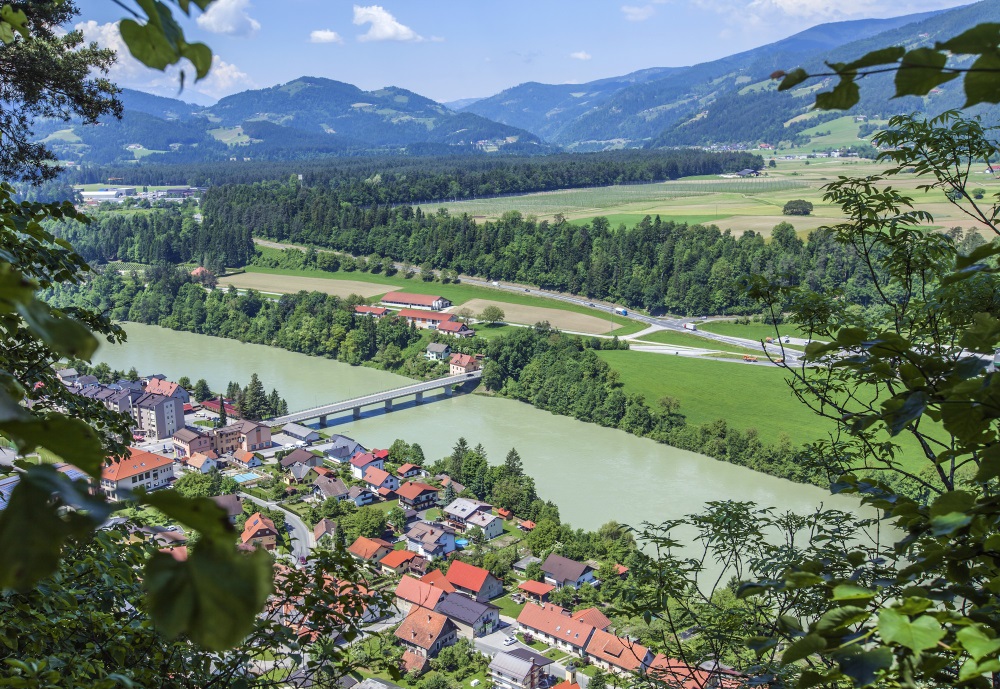
Bratislava: Small Capital, Big Demand
At the centre of Slovakia’s property market sits Bratislava, one of Europe’s most strategically positioned capitals. Located along the Danube and bordering both Austria and Hungary, the city occupies a unique geographic and economic position within Central Europe.
Bratislava’s proximity to Vienna has increasingly shaped its development. Cross-border economic integration, international employment mobility and infrastructure connectivity have strengthened the city’s attractiveness for both domestic and foreign buyers.
Property prices in Bratislava have risen steadily over recent years, reflecting growing demand and limited supply. Prime apartments in central districts commonly range between €4,000 and €7,000 per square metre, with luxury riverside developments commanding higher premiums.
Districts such as Staré Mesto and newer waterfront regeneration areas continue to attract strong buyer interest, particularly among professionals working in finance, technology and multinational business sectors.
Rental demand remains healthy, supported by students, expatriates and corporate employees. Gross rental yields generally range between 4% and 5.5%, offering a relatively balanced combination of income and long-term capital appreciation potential.
The city’s relatively small size also works in its favour. Bratislava offers the infrastructure and economic sophistication of a European capital while maintaining manageable commuting times and comparatively high quality of life.
Košice and Regional Cities Gain Importance
Although Bratislava dominates the national market, Slovakia’s regional cities are becoming increasingly relevant within the property landscape.
Košice, the country’s second-largest city, has benefited from industrial investment and technology expansion. Once viewed primarily as an eastern manufacturing centre, Košice has gradually diversified its economy through IT services, education and innovation industries.
Property prices remain lower than in Bratislava, providing relatively accessible entry points for investors. Modern apartments commonly range between €2,000 and €4,000 per square metre depending on location and specification.
The city’s growing university population and expanding technology sector continue to support rental demand, particularly for centrally located apartments.
Elsewhere, cities such as Žilina, Nitra and Prešov are benefiting from regional industrial development and infrastructure improvements. While smaller and less internationally visible, these markets increasingly attract domestic investors seeking affordability and stable rental returns.
Mountain Tourism and the High Tatras Market
One of Slovakia’s most distinctive property segments lies within the High Tatras mountain region. The country’s alpine tourism industry has expanded steadily, attracting domestic holidaymakers as well as international visitors from neighbouring countries.
Resort areas surrounding High Tatras have seen increasing demand for second homes, apartments and tourism-linked investments. Ski resorts and wellness tourism continue to support occupancy levels in premium mountain locations.
Property prices in the Tatras vary considerably depending on proximity to resorts and tourism infrastructure. Luxury chalets and modern holiday apartments can command substantial premiums, particularly in areas with strong year-round tourism activity.
While this segment remains relatively niche compared with urban markets, it adds diversity to Slovakia’s broader property landscape and appeals to lifestyle-oriented investors.
Supply Constraints Continue to Support Prices
Like many European housing markets, Slovakia continues to face supply challenges in key urban areas.
Construction activity has expanded significantly over recent years, particularly in Bratislava. Yet demand continues to outpace supply in many desirable locations due to planning delays, rising construction costs and labour shortages.
Developers increasingly focus on modern apartment schemes with strong energy efficiency standards and integrated amenities. Buyers are paying greater attention to sustainability, heating efficiency and long-term operating costs.
Older communist-era apartment blocks still account for a substantial portion of the housing stock. However, many have undergone renovation and modernisation, improving their attractiveness for both owner-occupiers and investors.
The imbalance between supply and demand continues to support property values, particularly within urban centres where available land is increasingly scarce.
Foreign Buyers and Market Accessibility
Slovakia’s membership in both the European Union and eurozone provides significant reassurance for international investors. Transactions are conducted within a stable legal and monetary framework, reducing many of the uncertainties associated with emerging markets.
EU citizens generally face straightforward procedures when purchasing residential property. Non-EU buyers may encounter additional administrative requirements depending on the asset type and ownership structure.
Compared with several neighbouring markets, Slovakia remains relatively accessible in terms of pricing. Although Bratislava has become substantially more expensive, it still compares favourably with Vienna, Munich or Prague.
International buyer interest has therefore increased gradually, particularly among investors seeking exposure to Central Europe without the pricing pressures seen elsewhere in the region.
Nevertheless, due diligence remains essential. Buyers should carefully review title documentation, zoning permissions and building quality before proceeding with transactions.
Mortgage Markets and Interest Rate Pressures
Slovakia’s housing market has inevitably been affected by higher European interest rates. Mortgage borrowing costs increased significantly following years of historically low financing conditions.
The result has been a moderation in transaction activity and slower price growth. Some first-time buyers have delayed purchases due to affordability concerns, while developers have become more cautious regarding new project launches.
However, the broader market has remained relatively resilient. Household debt levels, while significant, have generally been supported by rising incomes and stable employment conditions.
Slovak banks maintain relatively prudent lending standards, helping limit systemic risks within the financial system.
For foreign buyers, mortgage financing is available but typically subject to stricter conditions. Larger deposits and more extensive income verification are commonly required.
Despite tighter financing conditions, urban housing demand remains fundamentally strong due to ongoing supply shortages.
Rental Markets and Investor Potential
Rental demand across Slovakia remains healthy, particularly in Bratislava and major university cities.
The capital’s growing professional workforce, international business presence and student population continue to support occupancy levels. Rental demand is especially strong for smaller modern apartments close to transport infrastructure and employment centres.
Gross rental yields typically range between 4% and 6% depending on location and property quality. While not exceptionally high by emerging market standards, these returns compare favourably with many Western European capitals.
Short-term rental activity linked to tourism has also grown in Bratislava and mountain resort areas, though the market remains smaller than in heavily tourism-dependent European cities.
For investors, Slovakia increasingly represents a stable income-focused market rather than a purely speculative growth opportunity.
Taxes, Costs and Legal Structures
Property transaction costs in Slovakia are comparatively moderate by European standards.
Unlike some countries, Slovakia does not impose a traditional property transfer tax on residential purchases. Buyers nevertheless face legal fees, land registry charges and notary costs.
Annual property taxes remain relatively low, though rates vary by municipality and property type.
The legal framework for property ownership is generally transparent, supported by established land registration systems. However, buyers should still engage qualified legal advisers to verify ownership records and planning permissions.
For investors generating rental income, taxation obligations should be carefully reviewed, particularly where international tax treaties apply.
Lifestyle Appeal and Quality of Life
Although often overlooked internationally, Slovakia offers several lifestyle advantages that increasingly appeal to both domestic and foreign buyers.
Bratislava combines Central European charm with comparatively manageable living costs and excellent regional connectivity. Vienna is less than an hour away by road or rail, while Budapest and Prague are also easily accessible.
The country’s natural environment is another important asset. Mountains, forests and national parks provide strong recreational appeal, supporting both tourism and second-home markets.
Healthcare, education and infrastructure standards have improved steadily, while overall living costs remain lower than in much of Western Europe.
This combination of affordability, accessibility and quality of life is gradually enhancing Slovakia’s international profile.
Risks and Challenges
Despite its strengths, Slovakia’s property market faces several important challenges.
Affordability pressures are increasing in Bratislava as prices continue rising faster than wages for some households. This dynamic could influence future housing policy and regulatory intervention.
The country’s economy also remains highly exposed to manufacturing and export sectors, particularly automotive production. Any significant slowdown in European industrial demand could affect employment and housing sentiment.
Demographic trends present another longer-term consideration. Like several Central European countries, Slovakia faces population ageing and outward migration pressures in some rural regions.
Construction costs and labour shortages are also likely to remain ongoing constraints within the development sector.
Nevertheless, the market’s broader stability and eurozone membership continue to provide important reassurance for investors.
The Outlook for Slovak Property
Slovakia’s property market appears poised for continued gradual growth rather than dramatic expansion.
Urbanisation, supply shortages and stable economic conditions continue to support demand, particularly in Bratislava and key regional cities. While higher borrowing costs have slowed activity, the market has avoided significant instability.
Bratislava is likely to strengthen further as a regional business centre benefiting from proximity to Vienna and broader Central European integration. Secondary cities should also continue gaining importance as industrial and technology investment spreads beyond the capital.
For international investors, Slovakia increasingly offers a middle-ground proposition: more affordable than many Western European markets, yet more stable and institutionally mature than some higher-risk emerging economies.
Conclusion: Slovakia Emerges from the Shadows
For years, Slovakia existed quietly within Europe’s property conversation — steady, functional and largely overlooked. That is beginning to change.
The country now combines eurozone stability, industrial strength and improving urban sophistication within a relatively affordable real estate framework. While it lacks the global profile of larger European markets, its underlying fundamentals are increasingly difficult to dismiss.
For investors seeking stability, moderate growth and access to Central Europe’s evolving economic landscape, Slovakia offers a compelling if understated proposition.
It may not generate the headlines of Lisbon or Dubai. But in property markets, quiet resilience often proves more valuable than excitement. Slovakia’s growing appeal lies precisely in that balance.
Financial Disclaimer: The information provided in this article is for general informational purposes only and does not constitute financial advice. While every effort has been made to ensure the accuracy of the content, market conditions may change, and unforeseen risks may arise. The author and publisher of this article do not accept liability for any losses or damages arising directly or indirectly from the use of the information contained herein.
Copyright: schengenproperty.com
Pictures by: www.magnific.com/