
Switzerland’s property market occupies a unique position in the global real estate landscape. In a continent often shaped by political uncertainty, fluctuating growth and cyclical housing corrections, Swiss real estate continues to project an image of extraordinary stability. For international investors, family offices and high-net-worth buyers, property for sale in Switzerland has become more than a lifestyle aspiration; it is increasingly viewed as a strategic store of wealth.
This is not merely a reflection of Alpine scenery or postcard-perfect ski resorts. Switzerland’s enduring appeal rests on far deeper foundations: political neutrality, a world-renowned banking system, low inflation, a highly skilled workforce and some of the strongest legal protections for property ownership anywhere in the world.
Yet the Swiss market is also famously complex. Restrictions on foreign ownership, severe supply shortages and exceptionally high entry prices create barriers that distinguish Switzerland from almost every other European property destination. Buying property here is rarely straightforward, but for those able to navigate the system, the rewards can be considerable.
What emerges is a market defined not by speculation but by scarcity, discipline and global demand.
A Housing Market Built on Scarcity and Stability
Swiss property values have long displayed a remarkable resistance to economic turbulence. Even during periods of wider European housing weakness, Switzerland’s residential market has tended to remain resilient. Several structural factors explain this durability.
The first is supply. Switzerland’s mountainous geography and stringent planning regulations severely restrict new development. Urban expansion is tightly controlled, while environmental protections limit large-scale construction in many rural and Alpine regions.
The second is financing discipline. Swiss banks traditionally apply conservative lending standards, requiring substantial deposits and rigorous affordability assessments. This has helped prevent the excessive leverage that destabilised housing markets elsewhere in Europe.
The third factor is international capital. Switzerland’s reputation as a safe haven continues to attract global wealth, particularly during periods of geopolitical or financial uncertainty.
Residential prices across Switzerland remain among the highest in Europe. In major cities such as Zurich and Geneva, prime apartments frequently exceed CHF 20,000 per square metre, while luxury waterfront or mountain properties can rise far beyond those levels. Even secondary urban centres command values that would be considered premium pricing in many neighbouring countries.
Despite elevated borrowing costs in recent years, Swiss property prices have largely held firm. Demand continues to outpace supply in key regions, reinforcing long-term upward pressure on values.
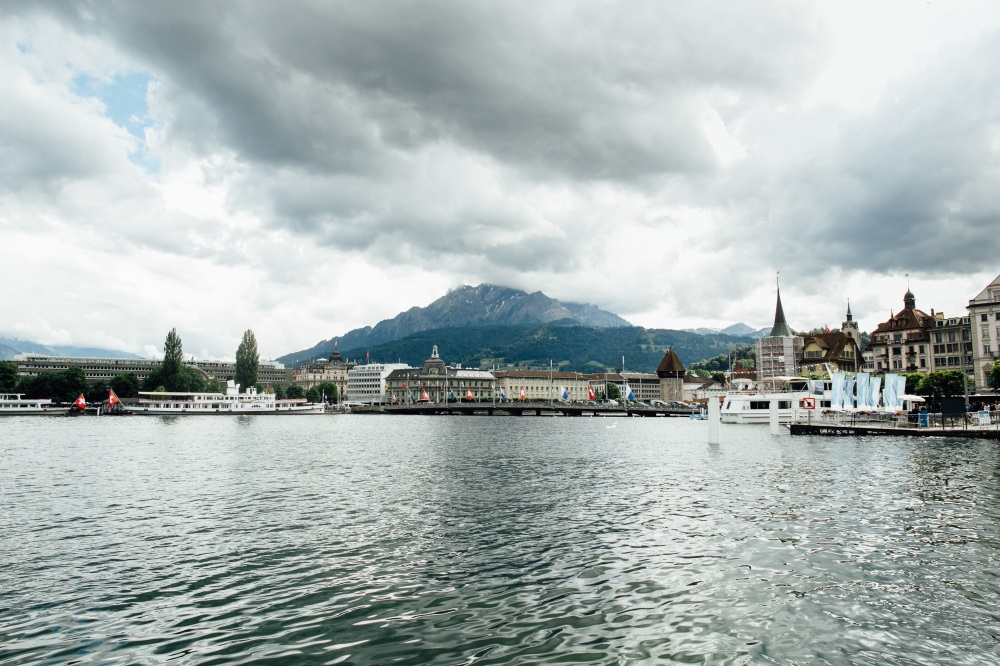
Zurich: Europe’s Financial Safe Haven
Zurich sits at the apex of the Swiss residential market. As one of the world’s leading financial centres, the city attracts international bankers, technology firms, legal professionals and private wealth managers in significant numbers.
The result is a deeply competitive housing market characterised by chronically low supply. Vacancy rates remain exceptionally tight, often below 1%, while demand for quality apartments consistently exceeds availability.
Property prices in central Zurich now regularly range between CHF 18,000 and CHF 30,000 per square metre in prime districts. Waterfront properties along Lake Zurich command even higher figures, reflecting both scarcity and international prestige.
Rental demand remains equally strong. Switzerland’s relatively low homeownership rate means that renting is culturally accepted and economically widespread. In Zurich, this creates a stable and highly liquid rental market, though yields are generally modest due to high acquisition costs.
Gross rental yields typically range between 2% and 4%, depending on property type and location. Investors are therefore drawn primarily by capital preservation and long-term appreciation rather than immediate income generation.
Zurich’s enduring strength lies in its economic depth. The city continues to benefit from global financial activity, a growing technology sector and exceptional transport infrastructure. Few European cities combine such strong economic fundamentals with such limited housing supply.
Geneva and the International Buyer
Geneva offers a different but equally compelling proposition. As home to international organisations, diplomatic missions and multinational corporations, the city maintains one of the most international residential markets in Europe.
Demand is driven not only by local employment but also by a highly mobile expatriate population. This creates sustained competition for both rental and owner-occupied housing.
Property prices in Geneva rival those in Zurich, particularly in lakefront districts and prestigious residential neighbourhoods. Apartments commonly range between CHF 15,000 and CHF 28,000 per square metre, while luxury villas occupy a market almost entirely detached from broader economic cycles.
Geneva’s rental market remains undersupplied, supported by diplomatic and corporate demand. Long-term tenants dominate, though premium furnished rentals also perform strongly.
For international buyers, Geneva’s appeal extends beyond property itself. Switzerland’s political neutrality, high-quality healthcare and educational institutions reinforce the city’s attractiveness as a long-term base for globally mobile families and professionals.
The Alpine Market: Luxury, Lifestyle and Limited Supply
Switzerland’s mountain property sector occupies an almost mythical status within global real estate. Resorts such as Verbier, St Moritz, Zermatt and Gstaad have evolved into internationally recognised luxury markets where scarcity and exclusivity define pricing.
Demand for Alpine property accelerated significantly during recent years as wealthy buyers increasingly prioritised lifestyle assets and second homes offering privacy and environmental quality.
In prime ski resorts, chalet prices regularly exceed CHF 25,000 per square metre, while ultra-prime properties can command substantially higher figures. Strict planning regulations and second-home restrictions severely limit new development, preserving long-term scarcity.
Foreign ownership in many resort areas is regulated under Switzerland’s Lex Koller legislation, which restricts property purchases by non-residents. Buyers must therefore navigate complex regional quotas and permit systems.
Despite these constraints, international demand remains exceptionally strong. Wealthy buyers from Europe, North America and the Middle East continue to view Swiss Alpine property as both a lifestyle acquisition and a secure long-term asset.
Swiss Interest Rates and Mortgage Conditions
Switzerland has historically enjoyed one of the lowest interest-rate environments in the world. For many years, mortgage rates remained extraordinarily cheap, supporting strong property demand.
The shift towards tighter monetary policy globally inevitably affected Switzerland, though to a lesser extent than many neighbouring countries. The Swiss National Bank acted cautiously, and inflation remained comparatively contained.
Mortgage rates have risen from historic lows but remain relatively moderate by international standards. Fixed-rate borrowing generally ranges between 2% and 4%, depending on term length and borrower profile.
Swiss lending culture remains notably conservative. Buyers are typically required to provide deposits of at least 20%, with strict affordability stress testing applied by lenders. Interest-only borrowing is common, reflecting Switzerland’s tax structure and long-term financing norms.
This prudence has helped shield the market from excessive volatility. While transaction activity slowed during periods of higher rates, widespread distress selling failed to materialise.
Foreign Ownership Rules: A Market with Barriers
One of the defining characteristics of Swiss property is the restriction placed on foreign ownership. Unlike many European countries actively encouraging overseas buyers, Switzerland carefully regulates access to its housing market.
Under the Lex Koller framework, non-resident foreigners face limitations on purchasing residential property. Rules vary significantly between cantons and property types, but broadly speaking:
Primary residences may be purchased by foreigners holding Swiss residency permits
Holiday homes are subject to quotas and regional restrictions
Investment properties are heavily restricted for non-residents
These controls are designed to prevent excessive foreign speculation and protect housing availability for Swiss residents.
For international buyers, legal guidance is essential. Navigating cantonal regulations, permit requirements and ownership structures requires specialist expertise.
However, these very restrictions also contribute to market resilience. By limiting speculative inflows and constraining supply, Switzerland has preserved long-term pricing stability.
Transaction Costs and Taxation
Buying property in Switzerland involves relatively moderate transaction costs compared with some European markets, though taxation varies considerably between cantons.
Typical acquisition costs include:
Property transfer taxes
Notary fees
Land registry charges
Legal expenses
Combined transaction costs generally range between 3% and 5% of the purchase price, depending on location.
Annual property taxation also varies significantly by canton. Wealth taxes, municipal taxes and imputed rental income taxes can all apply, creating a highly localised tax landscape.
Capital gains taxes are generally levied on property sales, though rates often decrease substantially the longer a property is held. This encourages long-term ownership and discourages short-term speculation.
For international investors, tax planning is particularly important due to Switzerland’s federal structure and varying regional regulations.
Rental Markets: Stability Over High Returns
Switzerland’s rental market is among the most stable in Europe. High property prices and strict lending requirements contribute to relatively low homeownership rates, particularly in urban areas.
As a result, rental demand remains structurally strong. Cities such as Zurich, Geneva and Lausanne continue to experience housing shortages, supporting steady rental growth.
However, rental yields remain relatively low due to elevated purchase prices. Gross yields in major cities typically range from 2% to 4%, though smaller regional markets may offer slightly higher returns.
Institutional investors dominate much of the rental sector, particularly pension funds seeking stable long-term income streams.
Short-term holiday rentals are important in Alpine regions but face increasing regulatory oversight in certain cantons.
Sustainability and Swiss Construction Standards
Switzerland’s commitment to environmental quality is increasingly shaping its property sector. New developments are built to exceptionally high energy-efficiency standards, while older buildings face growing pressure to modernise.
Sustainability certifications and low-carbon construction methods are becoming increasingly important in determining property values. Energy-efficient homes command premiums, particularly in urban markets where operating costs and environmental credentials influence buyer decisions.
Swiss construction standards are already among the highest in Europe, contributing to both property durability and elevated building costs.
For buyers, this means higher acquisition prices but generally lower long-term maintenance risks.
The Broader Economic Picture
Switzerland’s economic strength continues to underpin its property market. The country benefits from low unemployment, strong public finances and globally competitive sectors including banking, pharmaceuticals and technology.
Political neutrality and institutional stability further reinforce investor confidence. In periods of international uncertainty, Switzerland’s reputation as a financial safe haven often strengthens demand for domestic real estate.
At the same time, the strength of the Swiss franc can influence international buying patterns. Currency movements significantly affect affordability for foreign investors and can either stimulate or suppress overseas demand.
Nevertheless, Switzerland’s long-term attractiveness remains firmly intact.
Risks and Challenges in the Swiss Market
Despite its stability, Switzerland’s property market is not without challenges.
Affordability has become a growing concern, particularly for younger domestic buyers. Prices in major cities have risen far faster than incomes, increasing political pressure around housing supply.
Strict foreign ownership rules can limit flexibility for international purchasers. Regulatory complexity and cantonal variation require careful legal and financial planning.
Liquidity in ultra-prime segments may also fluctuate during periods of economic uncertainty, though severe corrections remain rare.
Finally, the market’s defensive qualities come at a cost. Entry prices are exceptionally high, and rental yields remain relatively modest compared with other international markets.
Conclusion: Switzerland’s Enduring Place in Global Property
Property for sale in Switzerland remains one of the world’s most secure and prestigious real estate propositions. It is a market defined by scarcity, institutional credibility and extraordinary long-term resilience.
Unlike more speculative property destinations, Switzerland offers stability rooted in economic strength, conservative financing and disciplined regulation. Its cities continue to attract international talent and capital, while its Alpine regions remain synonymous with global luxury.
For international buyers, Switzerland is rarely about quick profits or high yields. Instead, it represents wealth preservation, lifestyle quality and strategic diversification within one of the world’s safest jurisdictions.
In an increasingly uncertain global environment, those qualities are becoming ever more valuable.
Financial Disclaimer: The information provided in this article is for general informational purposes only and does not constitute financial advice. While every effort has been made to ensure the accuracy of the content, market conditions may change, and unforeseen risks may arise. The author and publisher of this article do not accept liability for any losses or damages arising directly or indirectly from the use of the information contained herein.
Copyright: schengenproperty.com
Pictures by: www.magnific.com/