
Hungary has long occupied a distinctive position within Europe’s property landscape. Positioned at the crossroads of East and West, rich in architectural heritage and increasingly connected to international capital flows, the country has developed a real estate market that continues to attract buyers seeking value, yield and long-term growth potential.
Yet Hungary’s housing market is no longer simply a bargain-hunter’s destination. The transformation of Budapest into one of Europe’s most desirable city-break destinations, combined with rising domestic incomes and sustained international investor interest, has fundamentally altered the market’s character over the past decade.
Today, Hungary presents a more nuanced proposition. Property prices have risen sharply in prime urban areas, mortgage conditions have tightened and inflationary pressures have tested affordability. Nevertheless, compared with many Western European capitals, the country continues to offer comparatively accessible pricing alongside strong rental demand and increasingly sophisticated urban development.
For international investors, Hungary now sits somewhere between emerging opportunity and established market. It retains higher yields and lower entry costs than much of Western Europe, while benefiting from EU membership, expanding infrastructure and strong tourism appeal.
That balance continues to draw attention from buyers across Europe, North America and Asia alike.
An Economy Shaped by Industry and Inflation
Understanding Hungary’s property market requires understanding the broader economy. The country has developed into a significant manufacturing and industrial centre within Europe, particularly in automotive production, electronics and logistics.
International firms continue to maintain large operations throughout Hungary, attracted by its skilled workforce and central European location. Budapest has also grown as a regional business and technology centre, further strengthening urban housing demand.
At the same time, Hungary has faced substantial economic pressures in recent years. Inflation has been among the highest in Europe, driven by energy costs, currency fluctuations and broader global economic turbulence. The Hungarian central bank responded aggressively with higher interest rates, significantly affecting mortgage affordability and transaction activity.
Yet despite these pressures, the property market has demonstrated resilience. Housing demand remains supported by urbanisation, limited high-quality supply and strong investor interest in prime locations.
One reason is that Hungarian real estate is still viewed by many domestic buyers as a hedge against inflation and currency volatility. Property ownership carries deep cultural significance, and demand for tangible assets has remained relatively strong even during uncertain economic periods.
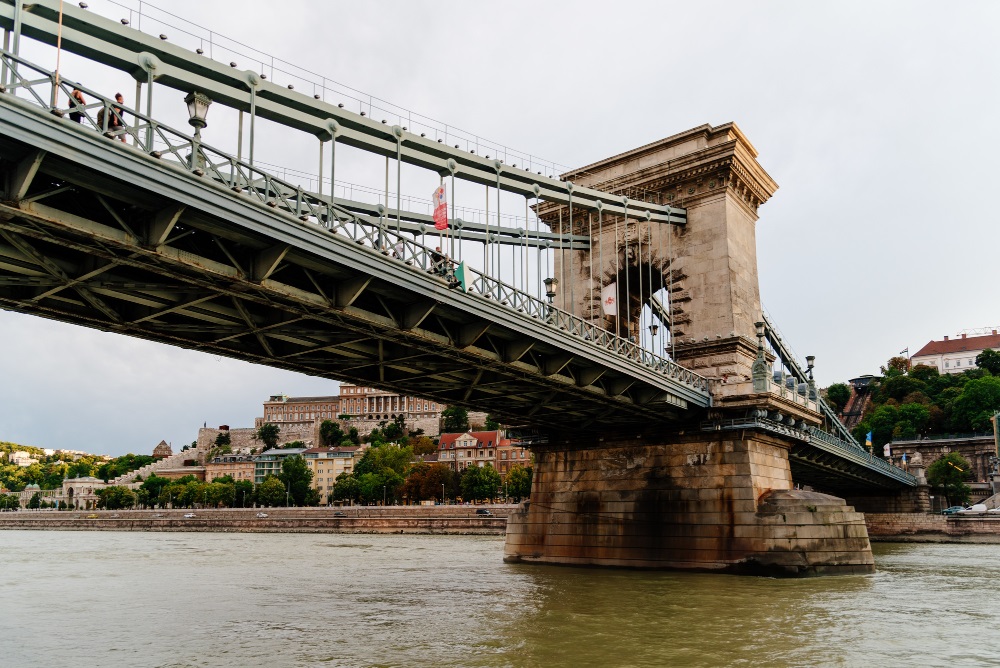
Budapest: One of Europe’s Most Watched Emerging Capitals
At the centre of Hungary’s property market sits Budapest, a city whose international reputation has risen dramatically over the past decade.
Split by the Danube into historic Buda and energetic Pest, the Hungarian capital combines imperial architecture, thermal spas, vibrant nightlife and comparatively affordable living costs. It has become a magnet for tourists, digital professionals, international students and investors.
Property prices in Budapest have risen significantly, particularly in central districts such as District V, District VI and District VII. Prime renovated apartments in historic buildings commonly range between €4,000 and €8,000 per square metre, while luxury riverside developments can command substantially higher values.
Despite this growth, Budapest remains comparatively affordable relative to cities such as Vienna, Prague or Munich. That pricing gap continues to attract international buyers seeking exposure to Central Europe at lower entry levels.
Rental demand remains exceptionally strong. The city’s tourism sector, university population and growing expatriate community support both long-term and short-term rental markets. Gross rental yields typically range between 4% and 7%, depending on property type and location.
The strongest demand is concentrated around well-connected central districts, where renovated apartments and modern developments remain highly sought after.
Regional Cities and Domestic Demand
Although Budapest dominates the market, several regional cities are gaining importance within Hungary’s broader property landscape.
Debrecen has emerged as one of Hungary’s fastest-growing regional economies, benefiting from industrial investment and expanding manufacturing operations. International automotive and battery production projects have increased employment and strengthened housing demand.
Győr continues to benefit from its close links to the automotive sector and proximity to Austria and Slovakia. Property prices remain below Budapest levels while offering relatively stable rental demand.
Meanwhile, Szeged and Pécs attract students and professionals through their universities and regional economic importance.
Outside urban areas, Hungary’s lake regions remain particularly attractive for second-home buyers. Properties around Lake Balaton continue to experience strong demand from both domestic and international purchasers seeking lifestyle investments.
These regional markets provide diversification opportunities beyond the capital while benefiting from broader economic development trends.
Lake Balaton and Lifestyle Investment
No discussion of Hungarian property is complete without Lake Balaton, Central Europe’s largest freshwater lake and one of the country’s most important tourism destinations.
Often described as the “Hungarian Sea”, Balaton has become increasingly popular among both domestic holidaymakers and foreign buyers seeking waterfront properties at prices still below many Mediterranean destinations.
Property prices around the lake vary considerably depending on proximity to the shoreline and tourism infrastructure. Premium lakefront homes and renovated villas command substantial premiums, particularly in established resort towns.
Short-term rental demand remains strong during peak summer months, supporting attractive seasonal income potential. Yet Balaton is increasingly evolving beyond a purely seasonal market. Improved infrastructure and remote working trends have encouraged more buyers to view the region as a year-round lifestyle destination.
The combination of natural beauty, relative affordability and growing tourism demand continues to underpin long-term interest in the area.
Foreign Buyers and International Demand
International buyers remain an important force within Hungary’s property market, particularly in Budapest and tourism regions.
Buyers from Germany, Austria, the Netherlands and increasingly North America continue to target Hungarian property for investment and lifestyle purposes. The comparatively low cost of entry relative to Western Europe remains one of the market’s strongest attractions.
EU citizens generally face straightforward purchasing procedures for residential property. Non-EU buyers may require government approval for certain acquisitions, though the process is usually manageable with appropriate legal guidance.
Budapest’s growing international profile has significantly broadened the buyer base. The city increasingly attracts digital entrepreneurs, remote workers and investors seeking European urban property without Western European pricing.
However, international investors must also consider currency dynamics carefully. Hungary remains outside the eurozone, and fluctuations in the Hungarian forint can materially influence investment returns.
Construction Growth and Supply Constraints
Construction activity across Hungary expanded rapidly during the property boom years, particularly in Budapest. New apartment developments reshaped many districts of the capital, while infrastructure improvements improved connectivity throughout urban areas.
Yet despite this expansion, supply shortages remain evident in desirable locations. Rising construction costs, labour shortages and financing challenges have slowed the pace of new development.
Energy efficiency has become increasingly important as buyers respond to higher utility costs and stricter European environmental expectations. Modern developments now place greater emphasis on insulation, efficient heating systems and sustainability standards.
At the same time, Budapest’s historic housing stock remains central to the market’s appeal. Renovated pre-war apartments continue attracting strong demand due to their architectural character and central locations.
This combination of limited prime supply and sustained demand continues to support property values despite broader economic uncertainty.
Mortgage Conditions and Market Adjustment
Hungary’s mortgage market has undergone significant adjustment following aggressive interest rate increases.
Higher borrowing costs reduced affordability and slowed transaction volumes, particularly among domestic first-time buyers. Some speculative activity also retreated as financing became more expensive.
However, the market has avoided widespread distress. Employment levels have remained relatively stable, and demand for quality urban housing continues to underpin prices in prime areas.
Hungarian banks maintain relatively conservative lending standards, which has helped limit excessive household leverage compared with some previous property cycles.
For foreign buyers, financing options remain available though typically with stricter requirements and larger deposit expectations. Cash transactions continue to account for a significant proportion of premium market activity.
Rental Markets and Investor Yields
Hungary remains attractive for investors primarily because of its comparatively strong rental yields.
Budapest’s rental market benefits from multiple demand sources: tourism, international students, technology professionals and expatriate workers all contribute to sustained occupancy rates.
Long-term rental yields generally range between 4% and 6%, while short-term tourist accommodation can produce higher returns in central districts during strong tourism periods.
However, investors increasingly face greater complexity around regulation, taxation and operating costs. Short-term rental licensing requirements have tightened in some districts, and maintenance costs have risen sharply due to inflation.
Outside Budapest, regional cities can offer attractive yields with lower entry prices, though liquidity and long-term appreciation prospects may vary.
As the market matures, professional management and careful property selection are becoming increasingly important.
Taxes, Costs and Legal Structures
Property transaction costs in Hungary remain moderate compared with many Western European jurisdictions.
Transfer tax is generally 4% of the purchase price for residential properties. Legal fees, land registry costs and agency commissions add further expenses, though overall acquisition costs remain relatively competitive.
Annual property taxes are low in many municipalities, particularly outside prime urban districts.
Hungary’s legal framework for property ownership is generally transparent, but international buyers should always conduct thorough due diligence. Verifying ownership records, zoning status and building compliance remains essential.
Foreign investors should also consider tax obligations on rental income and potential capital gains carefully, particularly where international tax treaties apply.
Tourism and Remote Working Continue to Reshape Demand
Tourism remains one of Hungary’s strongest economic drivers, particularly in Budapest and around Lake Balaton. Visitor numbers have rebounded strongly, supporting short-term rental markets and hospitality-linked developments.
At the same time, remote working trends have broadened the country’s appeal. Budapest’s comparatively low living costs, cultural vibrancy and strong internet infrastructure continue attracting international remote workers seeking affordable European city living.
This shift has helped diversify housing demand beyond traditional tourism patterns, particularly within premium urban rental markets.
The lifestyle appeal of Hungary — thermal spas, café culture, historic architecture and relatively low living costs — increasingly plays a role in sustaining long-term international interest.
Risks and Challenges
Hungary’s property market nevertheless faces several important risks.
Inflation remains a significant concern. Rising costs continue affecting household purchasing power, development economics and investor returns.
Currency volatility also creates uncertainty for international investors operating outside the Hungarian forint. Exchange-rate movements can materially affect both acquisition costs and rental income performance.
Political tensions between Hungary and EU institutions occasionally generate broader investor caution, though the country’s EU membership continues to provide important structural stability.
Affordability pressures are growing within Budapest, particularly for younger domestic buyers. Continued price growth may increase pressure for future housing policy interventions.
Finally, while tourism supports rental demand, reliance on short-term visitors can expose certain segments of the market to external economic shocks.
The Outlook for Hungarian Property
Hungary’s property market appears to be entering a more balanced phase after years of rapid expansion.
Price growth has moderated, financing conditions are tighter and buyers have become more selective. Yet the market’s core drivers remain largely intact: urbanisation, tourism, relatively affordable pricing and international investor interest continue to support demand.
Budapest is likely to remain the dominant investment destination, benefiting from its growing international profile and structural housing demand. Regional cities and Lake Balaton should also continue attracting buyers seeking value and lifestyle appeal.
For international investors, Hungary increasingly represents a middle-ground market: riskier and more volatile than some Western European destinations, but offering higher yields and stronger long-term growth potential.
Conclusion: Hungary’s Property Market Grows More Sophisticated
Hungary’s housing market has evolved far beyond its earlier image as a low-cost Eastern European opportunity.
Today, it represents a more mature and internationally connected market where investors balance affordability and yield against inflation, currency risk and economic volatility.
The country’s appeal remains powerful. Budapest continues to rank among Europe’s most attractive capitals for lifestyle and value, while tourism and infrastructure investment support broader demand across the market.
For buyers willing to navigate a more complex economic environment, Hungary still offers opportunities increasingly difficult to find elsewhere in Europe: comparatively accessible entry prices, strong rental potential and exposure to one of Central Europe’s most culturally vibrant economies.
That combination ensures Hungary will remain firmly on the radar of international property investors for years to come.
Financial Disclaimer: The information provided in this article is for general informational purposes only and does not constitute financial advice. While every effort has been made to ensure the accuracy of the content, market conditions may change, and unforeseen risks may arise. The author and publisher of this article do not accept liability for any losses or damages arising directly or indirectly from the use of the information contained herein.
Copyright: schengenproperty.com
Pictures by: www.magnific.com/